Where the trains run on time, the mountains touch the sky, and chocolate is basically a food group.
Switzerland
Switzerland turns precision into an art form — from watchmaking to train schedules to the impossibly clean lines of its Alpine peaks. Four official languages, four distinct cultural regions, and some of the most dramatic mountain scenery on Earth pack into a country you could drive across in a single day. Whether you’re chasing glaciers, chocolate, or the perfect scenic train ride, this is where your European story can begin — even if your wallet feels it.
CURRENCY
Swiss Franc (CHF)
BEST TIME TO VISIT
Jun–Sep (hiking), Dec–Mar (ski)
GETTING THERE
Zurich, Geneva, Basel
GETTING AROUND
SBB rail network
Scenic rail & lake journeys.
Switzerland at a Glance
How does this destination fit your travel style?
Switzerland’s four language regions and 13 UNESCO sites give its small area remarkable cultural variety.
✅ Explore Bern’s Old City, Lavaux and the Swiss Alps Jungfrau-Aletsch, alongside museums and historic towns.
⚠️ Traditions and languages change by canton; allow time for regional differences beyond the main hubs.
Zurich, Geneva, Basel, Bern and Lucerne each offer a distinct city break, with reliable rail connections between them.
✅ Compact centres, museums and lakeside districts are easy to explore by public transport.
⚠️ Switzerland is expensive, and mountain excursions can add substantial time and cost to a city-based itinerary.
Swiss cuisine reflects its regions, from fondue and raclette to chocolate, lake fish and Valais wines.
✅ Local specialities and food traditions vary across German-, French- and Italian-speaking Switzerland.
⚠️ Restaurant meals can be costly; look for lunch menus, bakeries and market food to manage spending.
Lakes, mountain railways, museums and outdoor activities give families options in every season.
✅ Children aged 6–15 may travel free with a parent holding a valid Swiss Travel Pass and Swiss Family Card.
⚠️ Check age and ticket conditions, and plan for altitude, weather changes and longer mountain journeys.
The Alps, glaciers, lakes and marked trails make Switzerland exceptional for outdoor travel.
✅ The Swiss Alps Jungfrau-Aletsch is a UNESCO World Heritage landscape, and the Swiss National Park protects alpine wildlife.
⚠️ Mountain weather can change quickly; check local conditions, route difficulty and altitude before setting out.
Switzerland’s integrated rail, bus and lake-boat network makes car-free travel practical.
✅ The Swiss Travel Pass covers travel with around 250 participating transport companies and local transit in many cities.
⚠️ Some mountain railways and cable cars require supplements, and popular scenic trains may need reservations.
Switzerland is generally considered a safe destination, with reliable public services and transport.
✅ Emergency number 112 works nationwide; mountain rescue can also be reached through local emergency services.
⚠️ Alpine terrain, snow and rapidly changing weather create outdoor risks even in otherwise safe areas.
Excellent infrastructure and scenery come at a premium, so Switzerland often costs more than nearby destinations.
✅ Saver tickets, regional travel passes, supermarkets and mountain hostels can help reduce trip costs.
⚠️ Budget carefully for accommodation, restaurant meals and mountain transport, especially in peak season.
Top 5 Destinations in Switzerland
01
Zermatt
The iconic, pyramid-shaped Matterhorn is Switzerland’s most photographed landmark and a symbol of alpine majesty.” This car-free village at its base delivers world-class skiing, cozy chalets, and views that need no filter
02
Lucerne
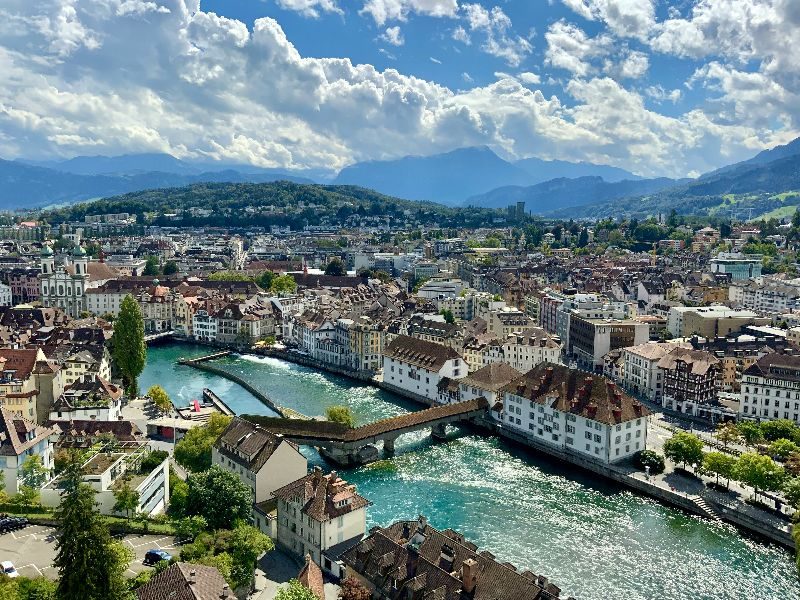
Picture-perfect Lucerne sits on its namesake lake, framed by snowcapped peaks and centuries-old buildings. Cross Europe’s oldest wooden covered bridge, wander the medieval old town, then hop a boat for mountain views from the water
03
Jungfrau Region
Home to Jungfraujoch, Europe’s highest railway station, this region delivers some of the Alps’ most dramatic scenery — glaciers, the legendary Eiger North Face, and waterfall-lined Lauterbrunnen valley below. A full day at the ‘Top of Europe’ is unforgettable.
04
Geneva
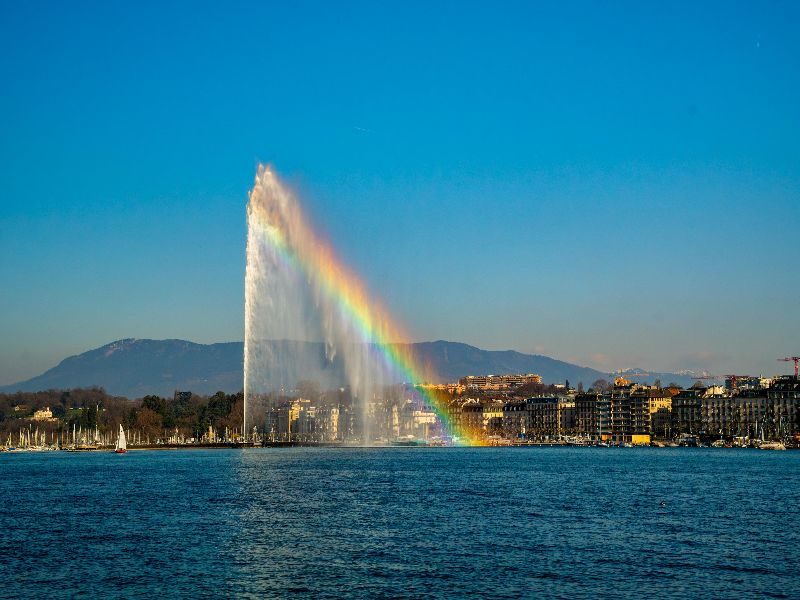
Switzerland’s diplomatic capital pairs global sophistication with a stunning lakeside setting — the iconic Jet d’Eau fountain, elegant Old Town streets, and Mont Blanc visible on clear days across the water. Home to the UN and Red Cross, Geneva feels worldly in every direction
05
Zurich
Switzerland’s financial capital hides genuine creative energy beneath its polished exterior — historic twin-towered churches, riverside lidos for summer swims, and edgy galleries tucked into former factories in Zürich-West. Effortlessly cool, not just efficient.
CATEGORY 01
Cities & Culture

Bern
Switzerland's capital feels more like a charming time capsule than a seat of government — cobbled streets, covered arcades, and the iconic Zytglogge clock tower chiming away above it all. The Aare River curls around the old town like a ribbon, adding riverside charm to every walk. — Best for: history buffs, architecture lovers, leisurely city strolls

Basel
Sitting where Switzerland, France, and Germany meet, Basel punches well above its size in the art world — home to more museums per capita than almost any other city, including the excellent Kunstmuseum. The annual Art Basel fair draws collectors from around the globe every June. — Best for: art lovers, museum enthusiasts, cross-border day trips
Lugano
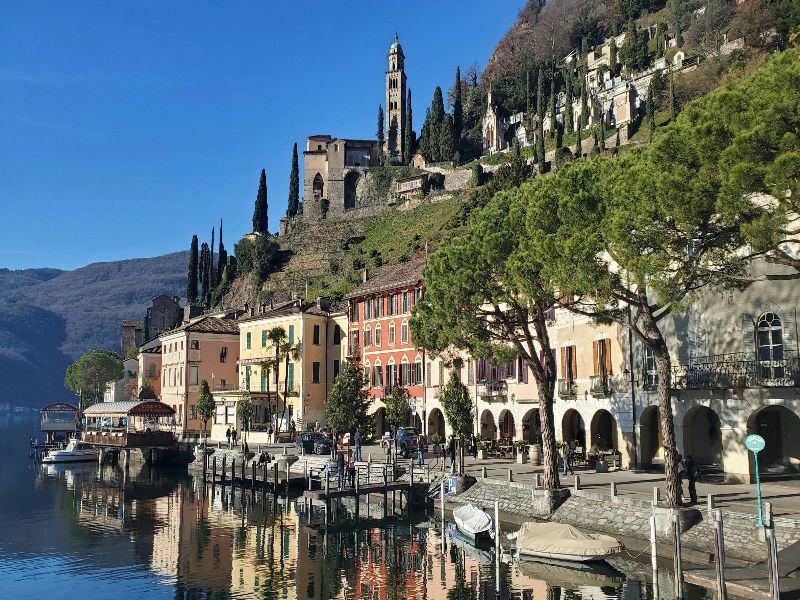
Southern Switzerland trades Alpine chill for genuine Mediterranean warmth in Lugano — palm-lined promenades, sun-soaked piazzas, and Italian-Swiss cuisine around a glittering lake. It's easy to forget you're still in Switzerland here, and that's exactly the appeal. — Best for: sun-seekers, lakeside relaxation, Italian food lovers
CATEGORY 02
Nature & Landscapes

Aletsch Glacier
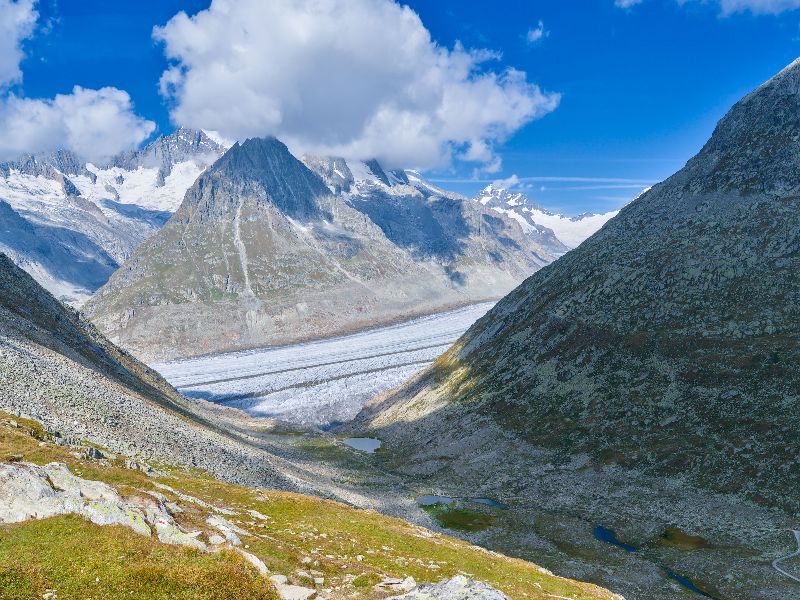
The largest glacier in the Alps stretches over 20 kilometers through a UNESCO World Heritage landscape, best viewed from panoramic viewpoints above Fiesch or the Jungfrau region. It's a sobering, spectacular sight — and one that's visibly retreating year by year. — Best for: hikers, nature lovers, once-in-a-lifetime views

Rhine Falls
Europe's largest waterfall by volume has been thundering near Schaffhausen for around 17,000 years, drawing visitors right up to boat platforms in the mist. Combine it with a stop in nearby Stein am Rhein, a fairy-tale medieval village with frescoed building facades. — Best for: families, day-trippers, dramatic photo opportunities
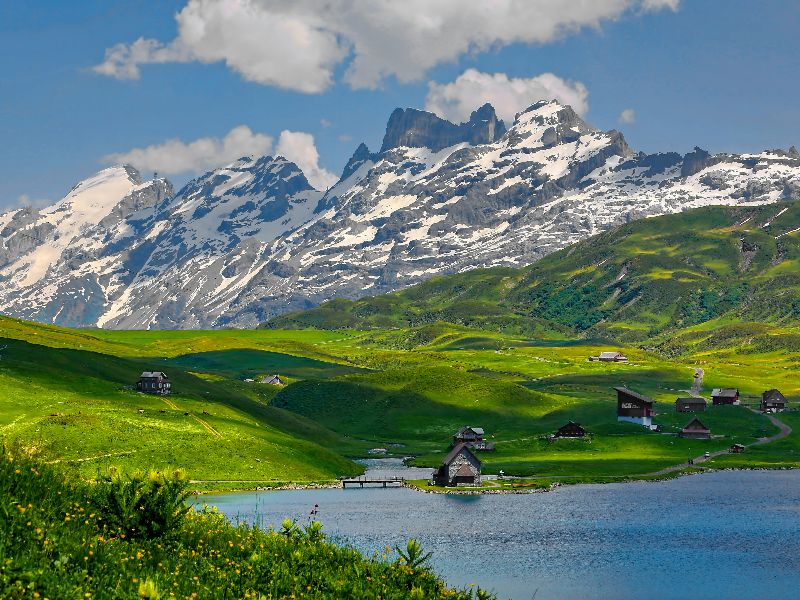
Swiss National Park
Switzerland's only national park protects a genuinely wild corner of the eastern Alps near the Italian and Austrian borders, home to ibex, red deer, and golden eagles roaming largely undisturbed by human presence. Hike the demanding six-hour Val Trupchun trail for the best wildlife spotting, past soaring limestone cliffs and clear glacial streams. — Best for: hikers, wildlife watchers, serious nature lovers
CATEGORY 03
Lakes & Rivers

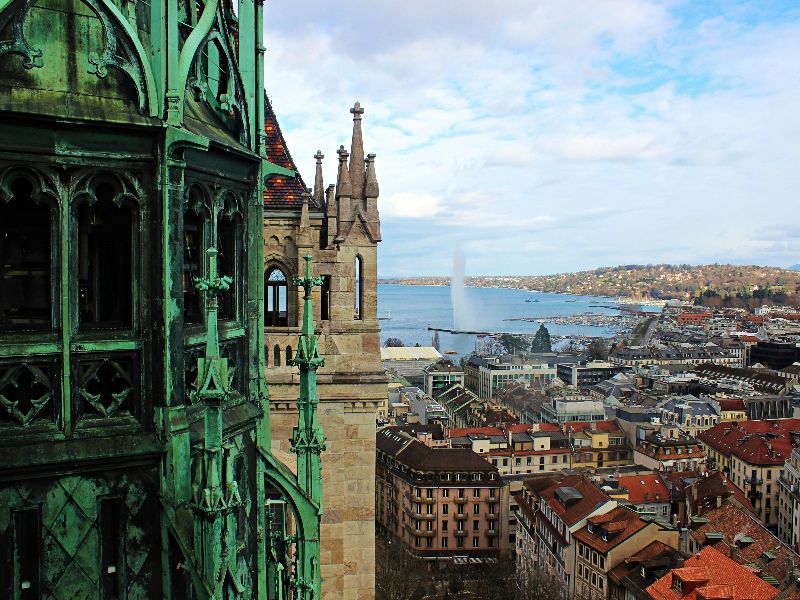
Lake Geneva
Switzerland's largest lake takes on an almost Mediterranean charm in summer, ringed by terraced vineyards and elegant towns like Montreux, home to the world-famous Jazz Festival. Château de Chillon, a medieval fortress rising straight from the water, ranks among the country's most photographed sights. — Best for: romantics, wine lovers, lakeside strolls
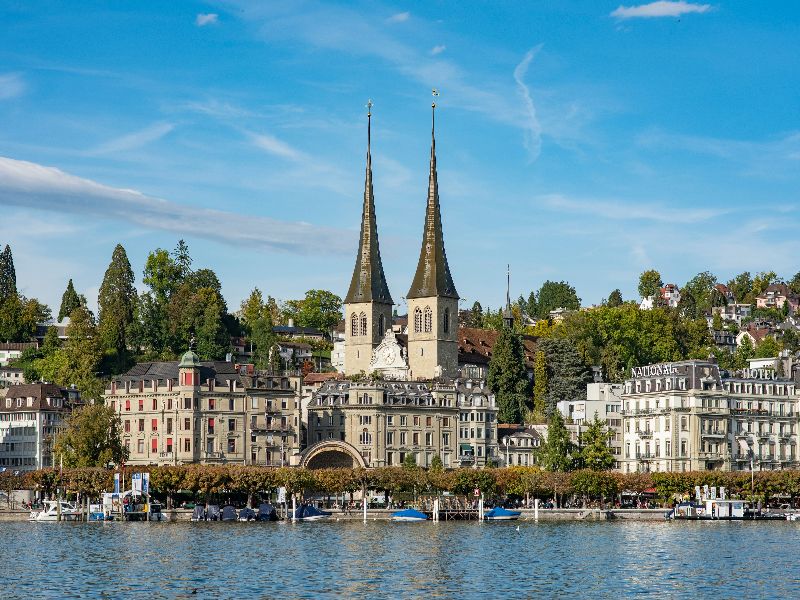
Lake Lucerne
"Central Switzerland's defining lake winds between towering snowcapped mountains, charming lakeside villages, and scenic hidden bays best explored slowly by boat. Combine a leisurely cruise with a trip up Mount Pilatus or Mount Rigi for sweeping panoramic views over the entire lake district below. — Best for: boat lovers, families, scenic day trips
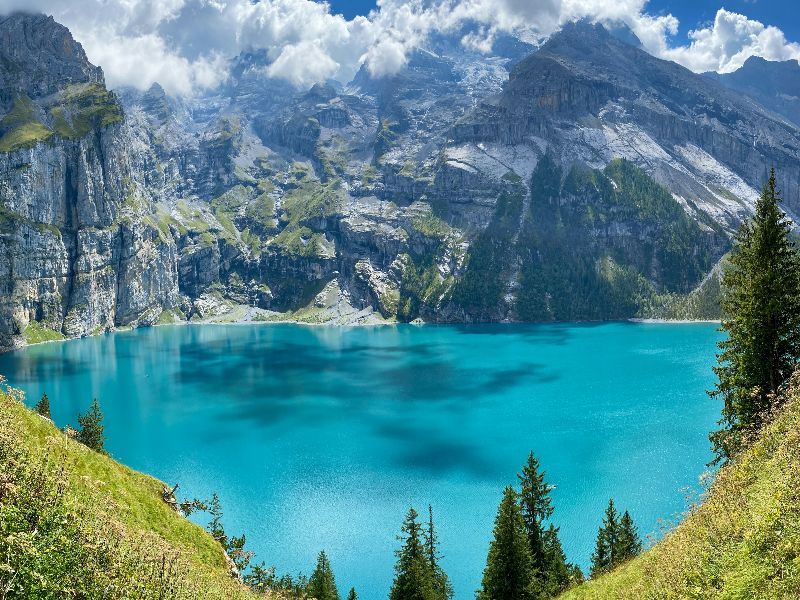
Oeschinensee
Widely considered one of Switzerland's most beautiful alpine lakes, Oeschinensee sits in a dramatic bowl of cliffs near Kandersteg, its glacier-fed water an impossibly vivid turquoise. Take the gondola up, then walk, row, or simply sit and stare — the view rarely disappoints. — Best for: hikers, photographers, swimmers (in summer)
CATEGORY 04
Food & Wine

Swiss Chocolate
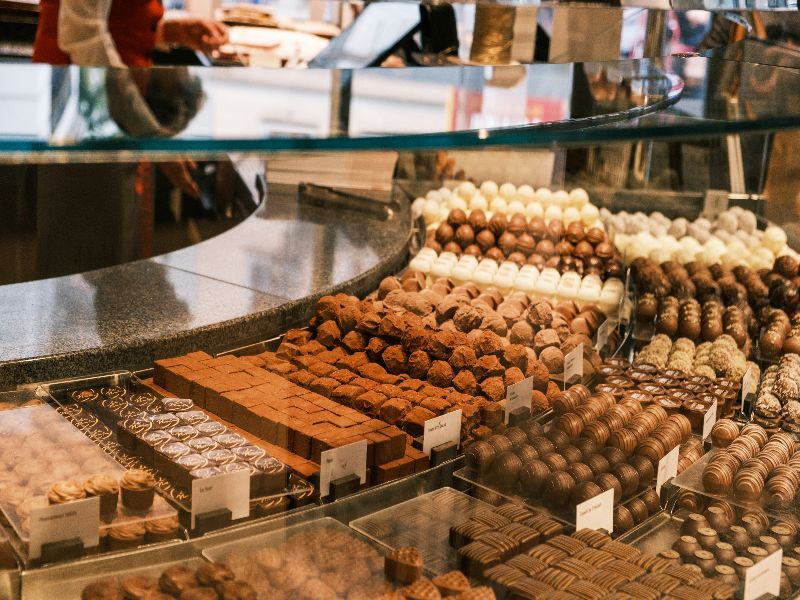
Switzerland didn't just perfect chocolate — it practically invented modern milk chocolate in the 19th century, and brands like Lindt and Toblerone still call it home. Visit a chocolate factory tour near Zurich or Lucerne for tastings straight from the source. — Best for: chocolate lovers, families, sweet souvenirs

Cheese & Fondue
Gruyère and Emmental cheese put entire Swiss regions on the map, and nowhere is that more delicious than around a bubbling pot of fondue in a mountain chalet. Raclette, melted tableside and scraped over potatoes, makes an equally essential cold-weather ritual. — Best for: foodies, winter travelers, cozy mountain dinners

Valais Wine
Switzerland's largest wine region climbs steep terraced slopes along the Rhône Valley, producing distinctive mountain wines rarely exported beyond Swiss borders. Visit family-run cellars in Sion for tastings paired with views of medieval hilltop castles. — Best for: wine lovers, road trippers, hidden Swiss experiences
CATEGORY 05
Hidden Gems

Appenzell
Eastern Switzerland's most traditional region preserves genuine folk architecture and customs found almost nowhere else — painted facades, cheese-making traditions, and locals who still vote by raised hand at outdoor assemblies. A refreshingly untouristy slice of rural Swiss life. — Best for: culture seekers, off-the-beaten-path travelers, cheese lovers

Gruyères
This impossibly picturesque medieval village gave its name to one of Switzerland's most famous cheeses, and a visit here pairs a genuine hilltop castle tour with hands-on cheese-making demonstrations right at the source. The single cobbled main street, lined with flower boxes and stone facades, looks almost too perfect to be real. — Best for: cheese lovers, castle enthusiasts, photographers

Stein am Rhein
This fairy-tale village looks like it was lifted straight from a storybook, with brightly frescoed building facades, cobbled streets, and a peaceful riverside setting along the Rhine. Just a short trip from the roaring Rhine Falls, it pairs culture and nature in one easy stop. — Best for: photographers, day-trippers, slow wandering
CATEGORY 06
Day Trips & Itineraries

Lucerne → Mount Pilatus (Half day)
Take the world's steepest cogwheel railway from Alpnachstad, or a cable car from Kriens, up to sweeping panoramas over Lake Lucerne and the Central Swiss Alps. Round-trip options combine both routes for a full scenic loop.

Zurich → Rhine Falls (Half day)
Europe’s largest waterfall by volume roars near Schaffhausen. Follow the viewpoints at Schloss Laufen, take an optional boat close to the falls, and pair the visit with nearby Stein am Rhein.
Interlaken → Jungfraujoch (Full day)
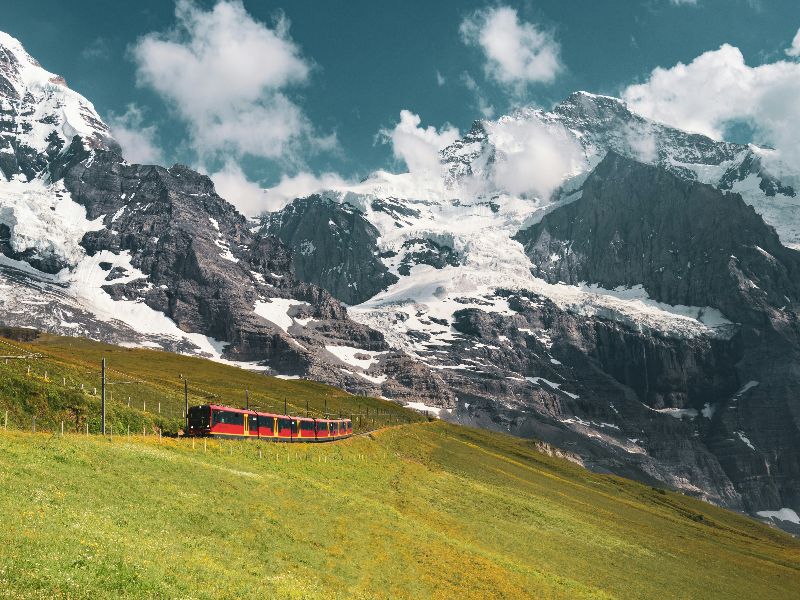
Ride the Jungfrau Railway through the Eiger to Jungfraujoch, the “Top of Europe,” for high-Alpine views and glacier experiences. Check altitude and weather conditions, reserve train tickets ahead, and allow a full day from Interlaken.
PLAN YOUR SWITZERLAND TRIP
Plan every part of your Switzerland trip, from accommodation and flights to transport and Alpine experiences.
DRIVE
Compare car rental options for exploring Switzerland’s towns, lakes and mountain regions.
EXPERIENCE
Discover Swiss tours, mountain excursions, lake cruises and local experiences.
BEFORE YOU GO
Practical Information
Visa & Entry
For EU and EFTA citizens: No visa is required for short stays. Travel with a valid national ID card or passport.
For visa-exempt non-EU travelers (including US, Canadian, Australian and UK citizens): Visa-free visits are limited to 90 days in any 180-day period across the Schengen Area.
ETIAS: The EU travel authorisation is scheduled to start in the last quarter of 2026. It is not yet in operation, and no application is required at this time. Check the official EU ETIAS website for the latest updates before travelling.
For travelers who need a visa: Apply for a Schengen short-stay visa (Type C) through the Swiss consulate or authorised visa centre. Applications can be submitted up to 6 months before travel and at least 15 calendar days before the intended visit.
Passport validity for non-EU travelers: Your passport must be valid for at least 3 months after your planned departure from the Schengen Area and must have been issued within the previous 10 years. Switzerland is part of the Schengen Area but is not an EU member state; its currency is the Swiss franc (CHF).
This information is provided as general guidance only and does not constitute legal or immigration advice — always verify current entry requirements with official sources before traveling.
Safety
Safety in Switzerland: Switzerland is generally safe for tourists, with low levels of serious crime. However, pickpocketing and bag theft can occur in crowded tourist areas, airports, railway stations and on trains, particularly in major cities such as Zurich, Geneva and Bern.
Petty crime: Keep valuables secure, stay alert to distraction techniques and avoid leaving bags or phones unattended. Never leave luggage or valuables visible inside a parked car.
Public transport and demonstrations: Watch your belongings on trains, buses and trams, including overnight services. Demonstrations may occasionally cause disruption. Avoid large gatherings if tensions arise and check local travel updates.
Mountain safety and outdoor activities: If hiking, skiing or exploring the Alps, check weather forecasts, trail conditions and avalanche warnings before setting out. Sudden weather changes, rockfalls and avalanches can be dangerous. Make sure your travel insurance covers mountain rescue and any planned adventure activities.
Emergency number: Call 112 for emergencies anywhere in Switzerland. You can also call 117 for police, 144 for ambulance services or 118 for the fire brigade.
Etiquette & Culture
Swiss culture values punctuality, discretion, courtesy and respect for local customs. Traditions vary across the German-, French- and Italian-speaking regions, so follow local guidance and be considerate of residents.
Greetings & Social Etiquette: Use Grüezi (hello) in German-speaking areas, bonjour in French-speaking areas and buongiorno in Italian-speaking areas. A handshake is common when meeting someone for the first time. Use formal forms of address until invited to be more informal.
Punctuality & Respect: Be punctual for appointments, tours and reservations. Arriving late without notice is generally considered impolite. Respect personal space and local quiet hours, particularly in residential buildings and on Sundays.
Dining Etiquette: Wait until everyone has been served before starting to eat. Say En Guete in German-speaking areas, bon appétit in French-speaking areas or buon appetito in Italian-speaking areas. Tipping is not compulsory, as service is included, but rounding up the bill is appreciated.
Culture & Traditions: Swiss traditions vary by canton and language region, with local festivals, Alpine customs, traditional music and seasonal celebrations playing an important role. Respect regional identities and local customs when visiting smaller towns and villages.
Public Behaviour: Respect queues, avoid littering and follow rules at public attractions and natural sites. Keep noise down during quiet hours, particularly at night and on Sundays. In Alpine areas, follow marked trails and respect environmental protection rules.
Health
Healthcare: Switzerland has a highly developed healthcare system, with hospitals, emergency departments and medical practices available throughout the country. Healthcare is generally of a high standard, but treatment can be expensive, particularly without adequate insurance.
European Health Insurance Card (EHIC): EU travellers should carry a valid EHIC to access medically necessary care in Switzerland under the applicable agreements. Patients may still have to pay part of the treatment costs, and the card does not cover private healthcare or repatriation. Travel insurance is recommended.
Pharmacies: Pharmacies (Apotheken in German, pharmacies in French and farmacie in Italian) are widely available and usually identified by a green cross. For evenings, Sundays or public holidays, check the local duty pharmacy service for the nearest open pharmacy.
Emergency medical assistance: Call 144 for ambulance emergencies. The European emergency number 112 is also available. For mountain rescue, call 1414 (REGA).
Useful Phrases
Greetings & Courtesy
Hello — Grüezi
Thank you — Danke
Please / You’re welcome — Bitte
Getting Around
Where is the train station? — Wo ist der Bahnhof?
How much does this cost? — Wie viel kostet das?
Do you speak English? — Sprechen Sie Englisch?
At Restaurants & Shops
A table for two, please — Einen Tisch für zwei, bitte
The bill, please — Die Rechnung, bitte
Can I pay by card? — Kann ich mit Karte bezahlen?
Emergencies
Help! — Hilfe!
I need a doctor — Ich brauche einen Arzt
Call the police, please — Rufen Sie bitte die Polizei
Ready to plan your Switzerland trip?
Let us build a custom itinerary, or browse our ready-made packages.