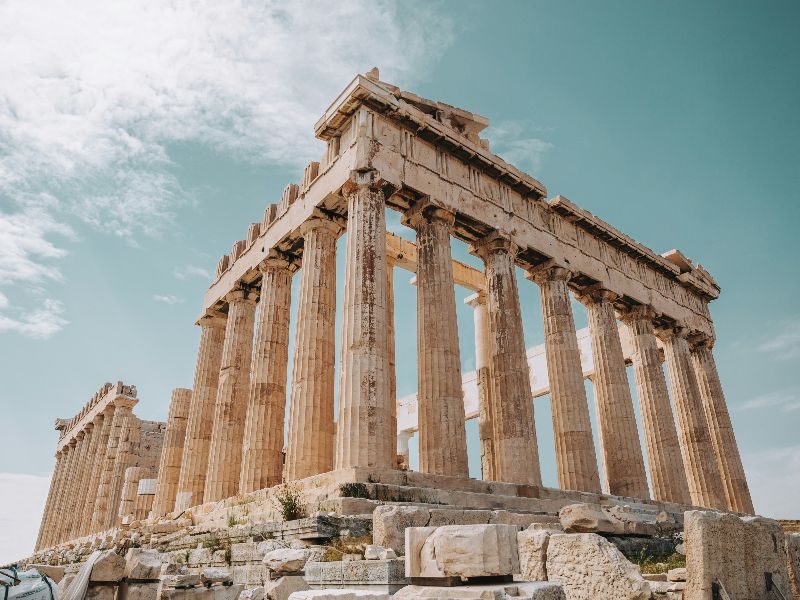
Where ancient ruins meet whitewashed islands, and the Mediterranean sun never seems to set on a good meal.
Greece
Greece gave the world democracy, philosophy, and the Olympics — and somehow still makes time for a three-hour lunch by the sea. From the ancient ruins crowning Athens to the whitewashed villages scattered across the Aegean, from mainland mountain villages to island-hopping adventures, no two corners of this country feel remotely alike. Whether you’re chasing history, sunsets, or the perfect Greek salad, this is where your European story can begin.
CURRENCY
Euro (€)
BEST TIME TO VISIT
Apr–Oct
GETTING THERE
Athens, Thessaloniki
GETTING AROUND
Ferries, domestic flights & highways
Islands for every journey.
Greece at a Glance
How does this destination fit your travel style?
Ancient sanctuaries, classical cities and Byzantine landmarks make Greece one of Europe's defining historical destinations.
✅ Greece has 20 UNESCO World Heritage properties, including the Acropolis of Athens, Delphi, Olympia and the medieval city of Rhodes.
⚠️ The Acropolis, Santorini and other headline sights can be crowded in high season; early visits and less-visited archaeological sites offer a calmer experience.
Athens, Thessaloniki, Chania and Rhodes offer distinct city breaks, from ancient landmarks and food culture to waterfront promenades and Venetian architecture.
✅ Athens combines major archaeological sites, museums, neighbourhoods and nightlife, while Thessaloniki is known for its waterfront, Byzantine heritage and food scene.
⚠️ Island-hopping and travel between mainland cities can add transfer time; travellers on a short break should focus on one city or one compact region.
Greek cuisine centres on fresh produce, olive oil, seafood, grilled dishes, cheeses and regional specialities, with strong local food traditions.
✅ Tavernas, markets and regional kitchens make it easy to explore dishes such as moussaka, grilled fish, dakos, local cheeses and island specialities.
⚠️ Restaurants directly beside major attractions or busy waterfronts can be more expensive and less distinctive; walking a few streets away often improves value.
Greece combines family-friendly beaches, boat trips, ancient sites and relaxed seaside towns, with options on the mainland and many islands.
✅ Many beaches and resort areas suit family holidays, and archaeological sites can bring mythology and history to life when visits are planned around shade and shorter walks.
⚠️ Ferries, heat and uneven terrain at archaeological sites can make some days tiring for young children; choose accommodation and transfers carefully.
Greece offers a striking mix of island coastlines, clear-water coves, rugged gorges, mountain ranges and hiking routes.
✅ Highlights include the Samaria Gorge in Crete, Mount Olympus, the Vikos Gorge and the beaches and coastal trails of the Aegean and Ionian islands.
⚠️ Summer heat, exposed hiking routes and seasonal transport can affect outdoor plans; spring and autumn are often more comfortable for walking.
Getting around Greece is straightforward on popular routes, but the mix of buses, ferries, domestic flights and limited rail coverage requires planning.
✅ Athens has metro, tram and suburban rail services, while intercity buses connect many mainland destinations and ferries link the islands.
⚠️ Rail coverage is limited outside key corridors, ferry timetables vary by season and weather, and reaching remote beaches or villages may be easier with a car.
Greece is generally a comfortable destination for visitors, with the usual precautions needed in crowded tourist centres and transport hubs.
✅ Emergency services are available nationwide and 112 is the European emergency number; established tourist areas generally have visitor services and medical facilities.
⚠️ Watch for pickpocketing in crowded areas and on public transport, take care on busy roads and scooters, and follow local advice during extreme heat or wildfires.
Greece can offer good value through local tavernas, family-run accommodation and travel outside the busiest island hotspots, although prices vary widely.
✅ Mainland destinations and less-visited islands can be more affordable, and travelling in May, June, September or early October can balance weather and cost.
⚠️ Santorini, Mykonos and other high-demand destinations can be expensive in summer; ferry tickets, island transfers and accommodation can raise the total trip cost.
MUST-SEE
Top 5 Destinations in Greece
01
Athens
The cradle of Western civilization spent over 3,000 years shaping history, from the birthplace of philosophers like Socrates and Plato to hosting the first modern Olympic Games. The Acropolis remains one of the most iconic landmarks anywhere on Earth, but modern Athens offers rooftop bars, lively markets, and a genuinely underrated city break beyond the ancient ruins.
02
Santorini
Whitewashed villages spill dramatically down the edge of a volcanic caldera here, framing what many call the most romantic sunset in the world. Beyond the postcard views, black-sand beaches and the ancient ruins of Akrotiri add real depth beneath the Instagram-famous surface.
03
Mykonos
Greece’s answer to Ibiza pairs whitewashed laneways and iconic windmills with some of the Aegean’s liveliest beach clubs and nightlife. A quick boat trip to the ancient ruins of Delos offers a quieter, history-rich counterpoint to the island’s party reputation.
04
Crete
Greece’s largest island packs in Minoan ruins, dramatic mountain gorges, and beaches ranging from pink-tinted sand to hidden turquoise lagoons. Base yourself in Chania’s labyrinthine Venetian old town, then explore at a pace that rewards a full week rather than a rushed day trip.
05
Meteora
Byzantine monasteries perch impossibly atop towering sandstone pillars here, built by monks seeking isolation centuries before roads or stairs made the climb any easier. The otherworldly rock formations alone would justify the trip — the frescoed monasteries inside make it unforgettable.
CATEGORY 01
Cities & Culture

Thessaloniki
Greece's second city once co-reigned alongside Constantinople as capital of the Byzantine Empire, its layered history visible in ancient walls, Roman ruins, and Byzantine churches around every corner. A thriving waterfront and genuinely excellent food scene keep it feeling vibrant, not just historic. — Best for: history buffs, foodies, underrated city breaks
Nafplio
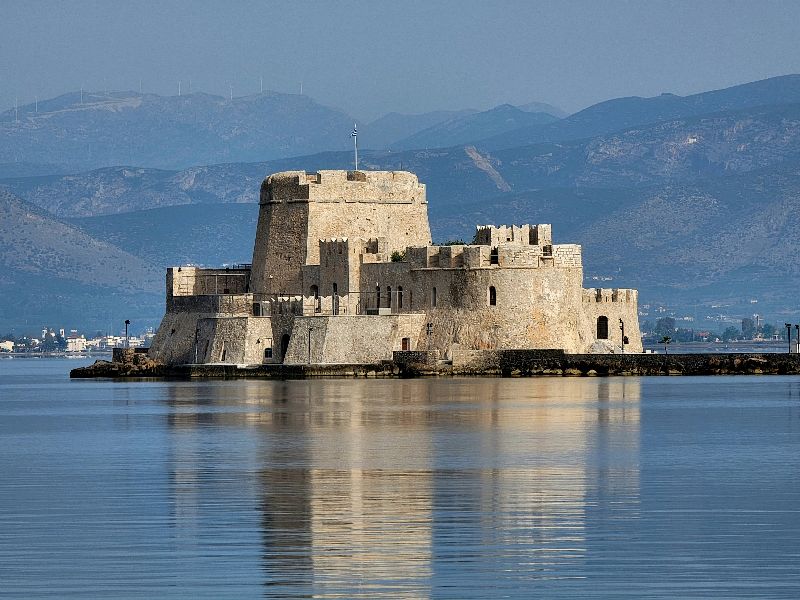
Greece's first modern capital charms with a fairy-tale setting — a Venetian fortress towering above the rooftops, a tiny island castle floating just offshore, and cobblestone streets built for slow, romantic wandering. Far quieter than Athens, just a couple hours away. — Best for: romantics, history buffs, weekend escapes
Rhodes Old Town
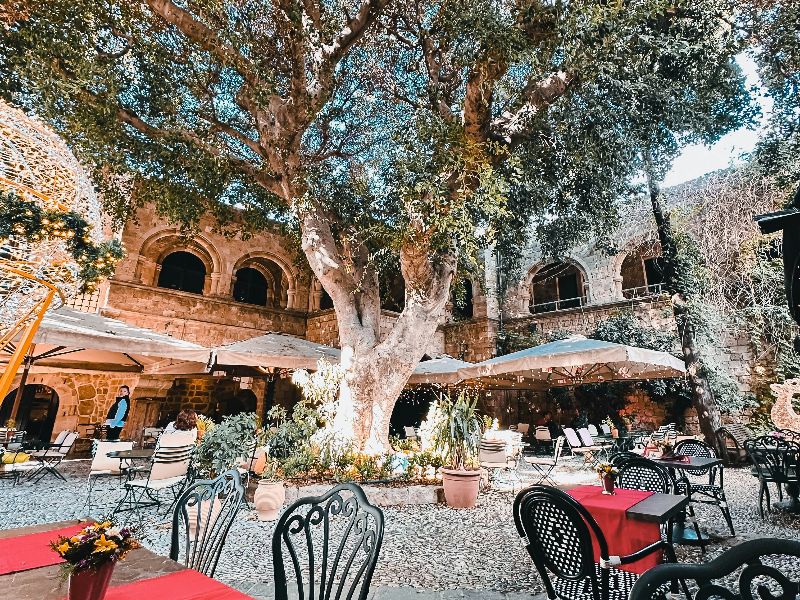
One of Europe's best-preserved medieval towns earned UNESCO status for a reason — massive fortress walls built by the Knights of St. John still encircle cobbled streets, Gothic palaces, and Ottoman-era mosques layered on top of ancient Greek foundations. — Best for: history buffs, architecture lovers, walkable exploring
CATEGORY 02
Nature & Landscapes

Samaria Gorge
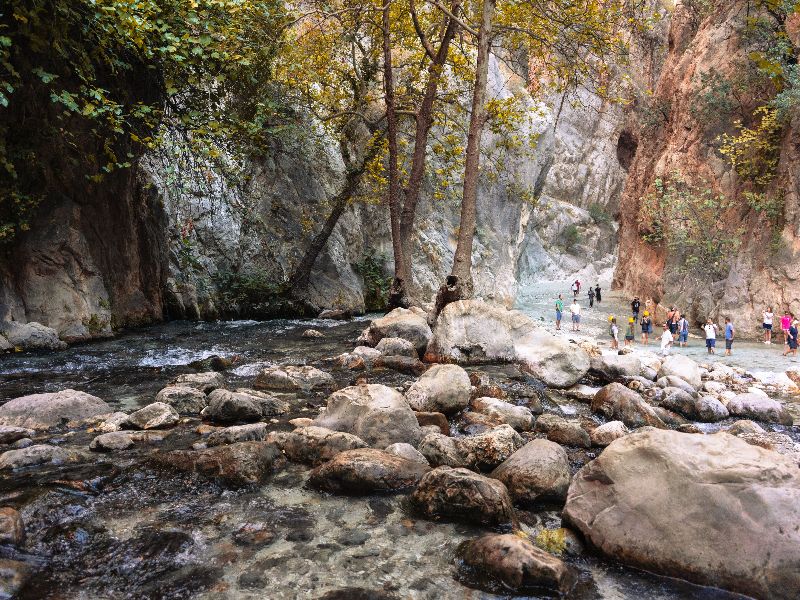
Europe's longest gorge cuts a dramatic 16-kilometer path through Crete's White Mountains, its narrow limestone walls closing in to just a few meters wide at the famous 'Iron Gates.' A full-day hike rewards you with a beach at the finish line. — Best for: serious hikers, nature lovers, adventure seekers
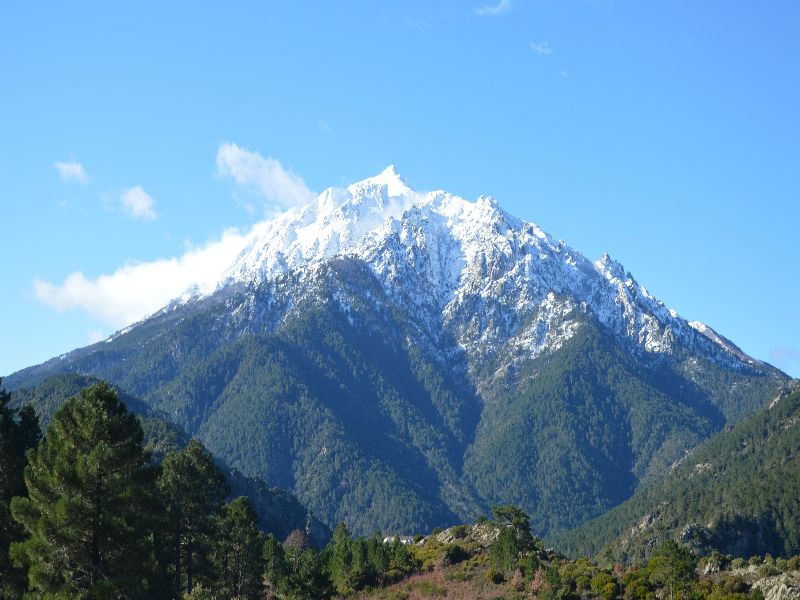
Mount Olympus
"Greece's highest peak was once believed to be the literal home of Zeus and the twelve Olympian gods — standing among its cloud-wrapped summits, it's easy to see why. A national park protects diverse forests along the way up. — Best for: hikers, mythology enthusiasts, mountain photographers
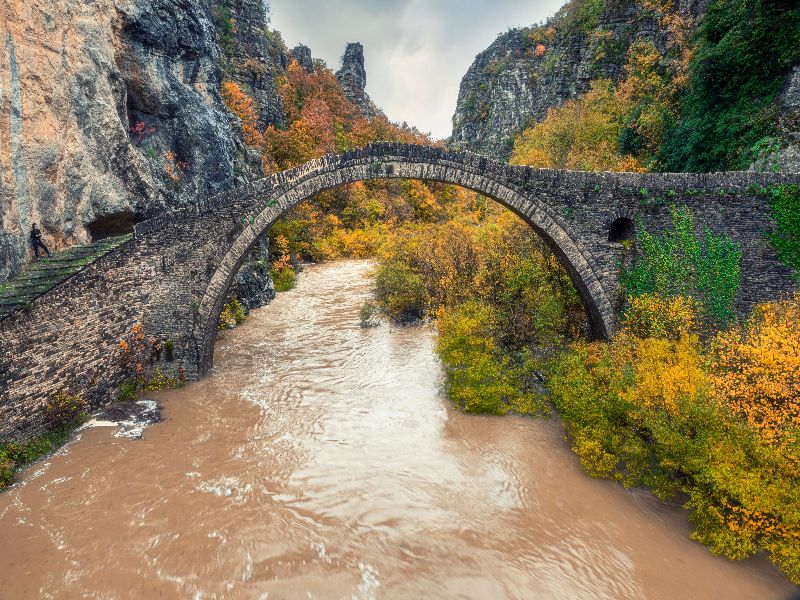
Zagori & Vikos Gorge
Stone villages connected by centuries-old arched bridges dot this remote mountain region, home to Vikos Gorge — recognized by Guinness World Records as the deepest gorge relative to its width. A hiker's paradise most tourists never discover. — Best for: hikers, off-the-beaten-path travelers, photographers
CATEGORY 03
Coast & Beaches

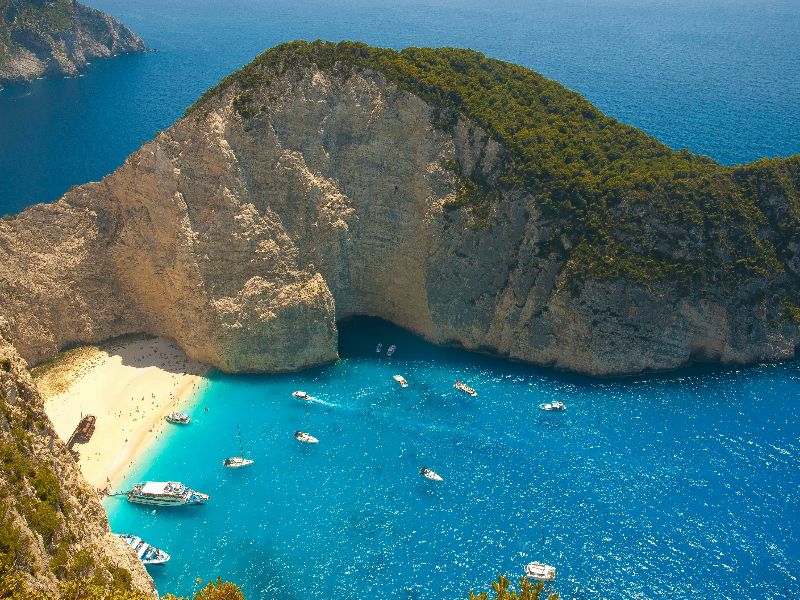
Navagio Beach
An actual shipwreck rusts on this cove's brilliant white sand, accessible only by boat and framed by towering limestone cliffs. It's become one of Greece's most photographed beaches for good reason — the turquoise water here looks almost artificially perfect. — Best for: photographers, boat tour enthusiasts, bucket-list beaches
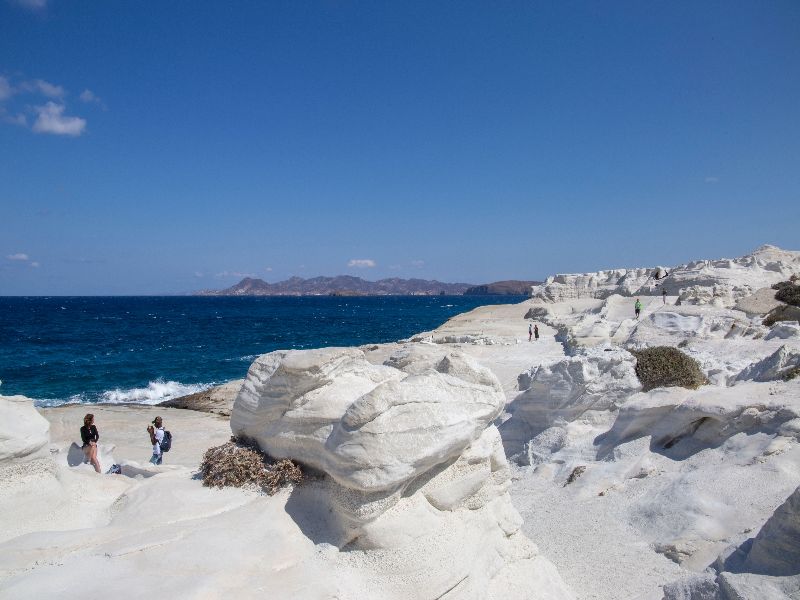
Milos
This striking volcanic island packs over 70 genuinely distinct beaches into a single dramatic coastline, from moon-like white rock formations at Sarakiniko to colorful fishing villages built directly into sea caves at Klima. Rent a small boat for a day and island-hop between hidden coves most visitors never even find. — Best for: beach lovers, boat trips, unique landscapes

Voidokilia Beach
This perfectly shell-shaped bay in the Peloponnese ranks among mainland Greece's most stunning beaches, framed by dunes and the ruins of the ancient Palace of Nestor nearby. Climb the surrounding hills for a bird's-eye view of its near-perfect curve. — Best for: photographers, history + beach combos, off-the-beaten-path travelers
CATEGORY 04
Food & Wine

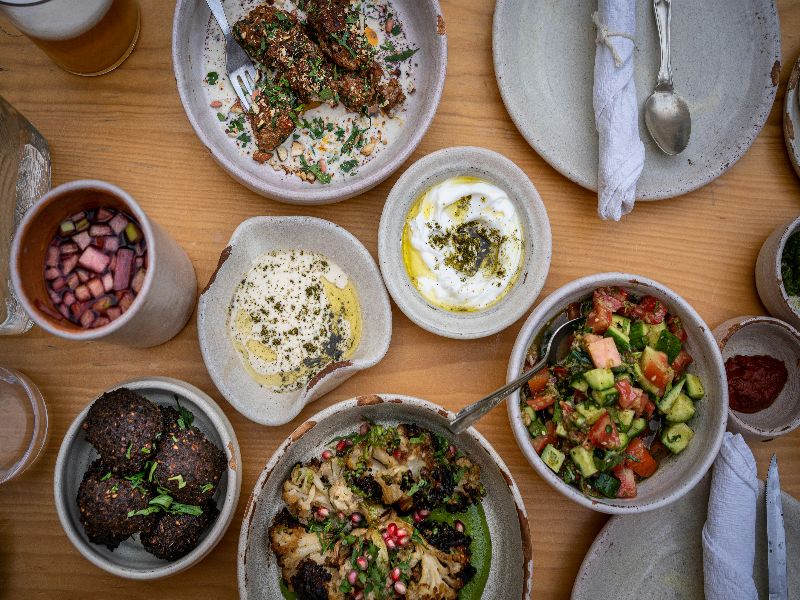
Cretane cuisine
Crete's diet is legendary for a reason — wild greens, olive oil pressed from ancient trees, and slow-cooked lamb, often credited as the origin of the 'Mediterranean diet.' Family-run tavernas still cook the way their grandmothers did. — Best for: food lovers, health-conscious travelers
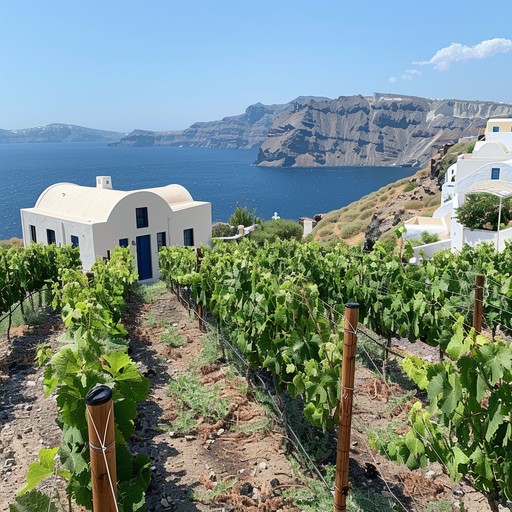
Santorini Wine Country
Volcanic soil and centuries-old vines trained into low baskets produce Assyrtiko, a crisp white found nowhere else on earth. Wineries here pair tastings with caldera views that rival any restaurant in the world. — Best for: wine enthusiasts, sunset dinners

Varvakios Central Market
Varvakios Central Market is where Athens really eats — stalls piled with olives, cheeses, spices, and fresh seafood, surrounded by tiny ouzeri serving grilled octopus and cold ouzo. — Best for: street food lovers, local experiences
CATEGORY 05
Hidden Gems

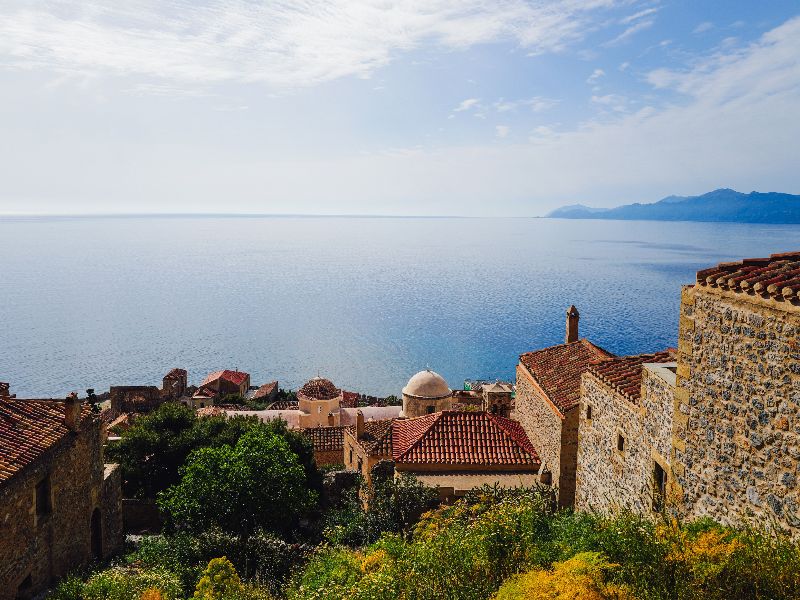
Monemvasia
A fortified medieval town built into a rock jutting from the Peloponnese coast, connected to the mainland by a single causeway — hence the name, 'single entrance.' Cobblestone lanes, Byzantine churches, and sea views most tourists never discover. — Best for: history lovers, off-the-beaten-path travelers

Pelion Peninsula
Cobblestone villages built into forested hillsides overlook the Aegean, mythologized as the home of the Centaurs. A narrow-gauge steam train still winds through the mountains, connecting villages most travelers never hear of. — Best for: slow travel, mountain-meets-sea scenery, off-the-beaten-path explorers
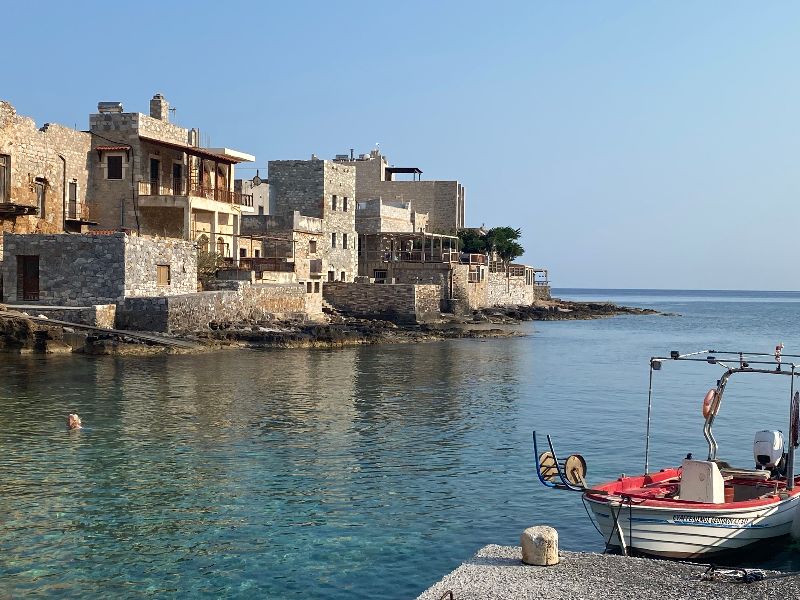
Vathia
A near-abandoned village of stone tower houses on the rugged Mani Peninsula, built by feuding clans centuries ago for defense rather than beauty. Wandering its empty stone streets feels like stepping into another Greece entirely — wild, dramatic, and virtually tourist-free. — Best for: history buffs, dramatic scenery, solitude seekers
CATEGORY 06
Day Trips & Itineraries

Athens → Delphi (Full day)
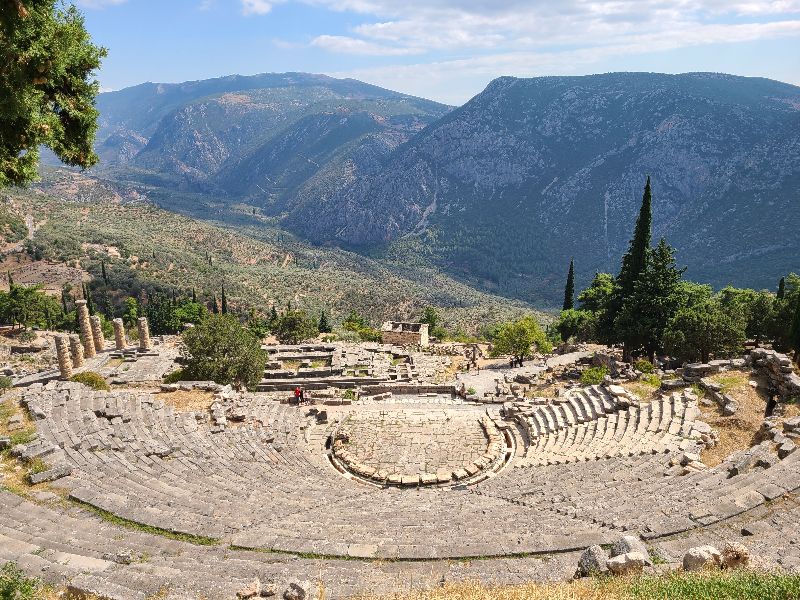
Once considered the center of the ancient world, Delphi's ruins climb a dramatic mountainside where pilgrims once traveled to consult the famous oracle. The site's setting — with sweeping views over olive groves and the Gulf of Corinth — is as memorable as the ruins themselves.

Athens → Cape Sounion (Half day)
The Temple of Poseidon crowns a windswept cliff at Greece's southernmost tip, best timed for sunset when the marble columns glow gold against the Aegean. An easy coastal drive from Athens along the so-called 'Apollo Coast' makes this the classic late-afternoon escape, popular with locals and visitors alike.

Santorini → Thirassia (Half day)
A short boat ride across Santorini's caldera leads to this quiet, undeveloped sister island — no crowds, no cruise ships, just whitewashed chapels, a scattering of tavernas serving the day's catch, and a hiking trail up to the tiny village of Manolas for panoramic views back toward Santorini.
PLAN YOUR GREECE TRIP
Everything you need to book your trip, from accommodation and flights to transport and experiences
EXPERIENCE
Discover tours, attractions and activities to make your trip unforgettable
BEFORE YOU GO
Practical Information
Visa & Entry
For EU, EEA and Swiss citizens: No visa is required. You can travel to Greece with a valid national ID card or passport.
For visa-exempt non-EU travelers (including US, Canadian, Australian and UK citizens): Visa-free visits are limited to 90 days in any 180-day period across the Schengen Area.
ETIAS: The EU travel authorisation is currently not in operation, and no applications are being accepted. The official launch date has not yet been confirmed. Check the official EU ETIAS website for updates before travelling.
For travelers who need a visa: Apply for a Schengen short-stay visa (Type C) through the Greek consulate or its authorised visa centre. Applications must be submitted at least 15 days before travel and can be submitted up to 6 months in advance. Check the official Greek Ministry of Foreign Affairs website for requirements and appointment availability.
Passport validity for non-EU travelers: Your passport must be valid for at least 3 months after your planned departure from the Schengen Area and must have been issued within the previous 10 years.
This information is provided as general guidance only and does not constitute legal or immigration advice — always verify current entry requirements with official sources before traveling.
Safety
Safety in Greece: Greece is generally safe for tourists, but pickpocketing and bag snatching can occur in crowded tourist areas, public transport and major transport hubs, particularly in Athens and popular island destinations.
Petty crime: Keep valuables secure, stay alert to distraction techniques and avoid leaving bags or phones unattended in cafés, restaurants or on beaches. Never leave luggage or valuables visible inside a parked car.
Public transport and demonstrations: Watch your belongings on buses, metros, ferries and trains. Strikes and demonstrations may disrupt transport at short notice, particularly in Athens. Avoid large gatherings if tensions arise and check local travel updates before setting out.
Beaches and outdoor activities: Follow local advice when swimming, as strong currents and changing sea conditions can be dangerous. During summer, check alerts for extreme heat and wildfires. If hiking, particularly in mountainous areas or on islands, carry sufficient water and check weather conditions before departure.
Emergency number: Call 112 for emergencies anywhere in Greece. The call is free and connects you to emergency services, including police, ambulance and fire services. You can also call 100 for police, 166 for an ambulance or 199 for the fire brigade.
Etiquette & Culture
Greek culture values hospitality, family traditions, food and respect for religious customs. Traditions vary across the mainland and islands, so follow local guidance and be considerate of residents.
Greetings & Social Etiquette: Use kalimera (good morning), kalispera (good evening) and efcharistó (thank you) when interacting with locals. A handshake is common when meeting someone for the first time, while friends may greet with a kiss on each cheek. Hospitality is an important part of Greek social life.
Punctuality & Respect: Be punctual for appointments, tours and reservations, although social gatherings may follow a more relaxed approach to time. Show respect when visiting churches, monasteries and religious sites, and follow local customs.
Dining Etiquette: Meals are often social occasions, with dishes commonly shared among the group. Wait until everyone is served before starting, and avoid rushing through a meal. Tipping is appreciated but not compulsory; rounding up the bill or leaving around 5–10% for good service is customary.
Culture & Traditions: Greek traditions are strongly influenced by Orthodox Christianity, local festivals, music and regional cuisine. Easter is one of the most important religious celebrations, while traditional music and dancing remain an important part of local festivities.
Public Behaviour: Respect queues, avoid littering and follow rules at archaeological sites and monuments. Dress modestly when visiting monasteries and churches, and avoid touching or climbing on ancient structures. Keep noise down in residential areas, particularly late at night.
Health
Healthcare: Greece has a public healthcare system, with hospitals, health centres and emergency departments available throughout the country. Facilities and waiting times may vary, particularly on smaller islands and in remote areas. Private treatment can be expensive.
European Health Insurance Card (EHIC): EU travellers should carry a valid EHIC to access medically necessary care through Greece’s public healthcare system and participating providers. Co-payments may apply, and the card does not cover private healthcare or repatriation. Travel insurance is recommended.
Pharmacies: Pharmacies (farmakeía) are widely available and usually identified by a green cross. For evenings, Sundays or public holidays, check the posted duty rota (efimerévonta farmakeía) for the nearest open pharmacy.
Emergency medical assistance: Call 112 for emergencies. The ambulance service can also be reached directly at 166 (EKAB).
Useful Phrases
Greetings & Courtesy
Hello — Yia sas
Thank you — Efharistó
Please / You’re welcome — Parakaló
Getting Around
Where is the train station? — Poú eínai o sidirodromikós stathmós?
How much does this cost? — Póso kostízei?
Do you speak English? — Miláte angliká?
At Restaurants & Shops
A table for two, please — Éna trapézi ya dýo, parakaló
The bill, please — Ton logariasmó, parakaló
Can I pay by card? — Boró na pliróso me kárta?
Emergencies
Help! — Voítheia!
I need a doctor — Hreiázomai yatró
Call the police, please — Kaléste tin astynomía, parakaló
Ready to plan your Greece trip?
Let us build a custom itinerary, or browse our ready-made packages.