



Valencia
Spain's third city balances ancient history with some of the most ambitious modern architecture in Europe — the futuristic City of Arts and Sciences sits just minutes from a centuries-old Gothic cathedral. It's also the birthplace of paella and one of Europe's most affordable major destinations. — Best for: architecture lovers, foodies, budget travelers

Bilbao
A gritty industrial port town transformed itself into a world-class cultural destination almost overnight when the Guggenheim Museum opened its titanium curves along the river. The Basque food scene here rivals anywhere in Spain, pintxo bars included. — Best for: art lovers, foodies, architecture fans
Toledo
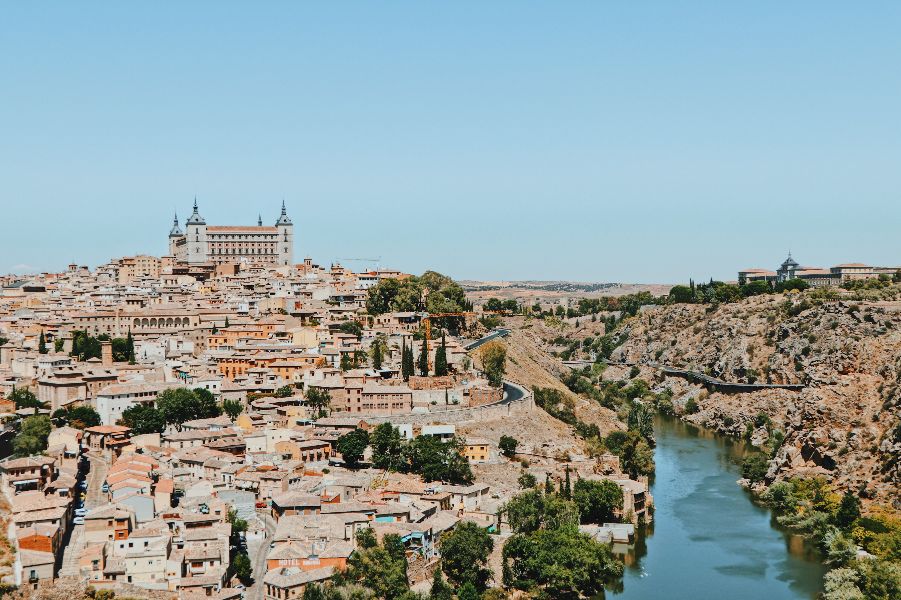
Spain's former imperial capital earned the nickname 'City of Three Cultures' for centuries of Christian, Jewish, and Muslim coexistence, visible in synagogues, mosques, and cathedrals sharing the same narrow streets. Just 30 minutes from Madrid by train. — Best for: history buffs, day-trippers, architecture lovers

Picos de Europa
Spain's first national park hides jagged limestone peaks, glacial lakes, and hiking trails that rival anywhere in the Alps — with a fraction of the crowds. The turquoise Lagos de Covadonga make an unforgettable day trip. — Best for: hikers, photographers, nature lovers

Sierra Nevada
Mainland Spain's highest mountain range rises dramatically just outside Granada, close enough that you could ski in the morning and relax on a Mediterranean beach by afternoon. Europe's southernmost ski resort delivers genuinely unique versatility. — Best for: skiers, hikers, adventure travelers
Mount Teide
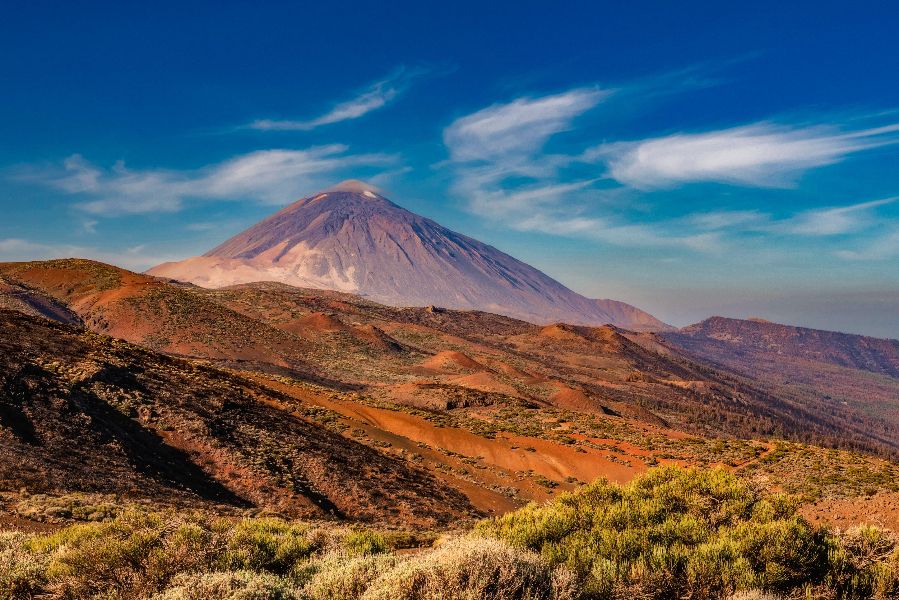
Spain's highest peak rises from a surreal volcanic landscape on Tenerife, drawing over four million visitors a year to Europe's most-visited national park. Take the cable car near the summit for views across the entire Canary archipelago. — Best for: hikers, stargazers, unique landscapes
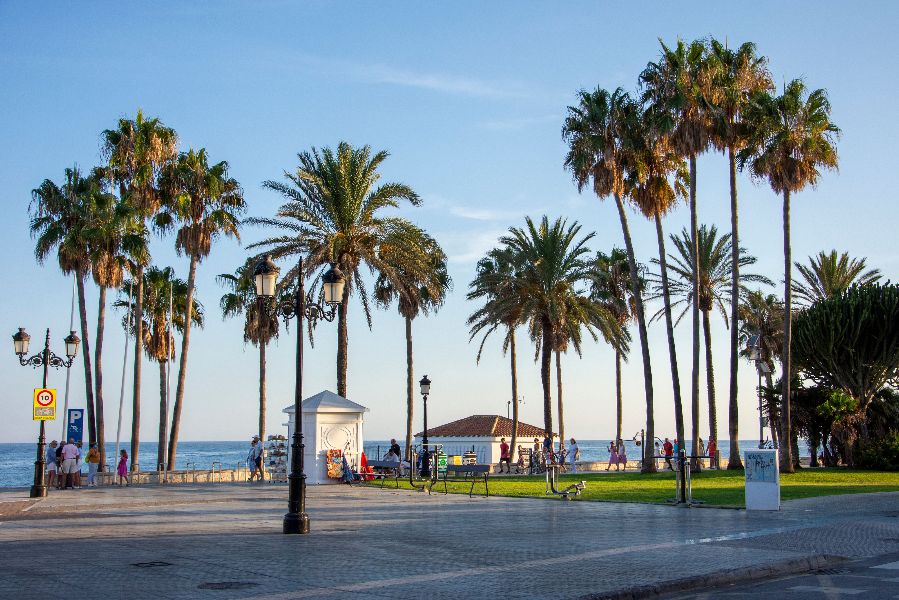
Costa del Sol
Spain's most famous coastline delivers over 300 sunny days a year, glamorous Marbella marinas, and endless stretches of golden sand. Puerto Banús brings the yacht-set glamour, while quieter towns like Nerja offer the same sunshine without the price tag. — Best for: sun-seekers, luxury travelers, golf enthusiasts
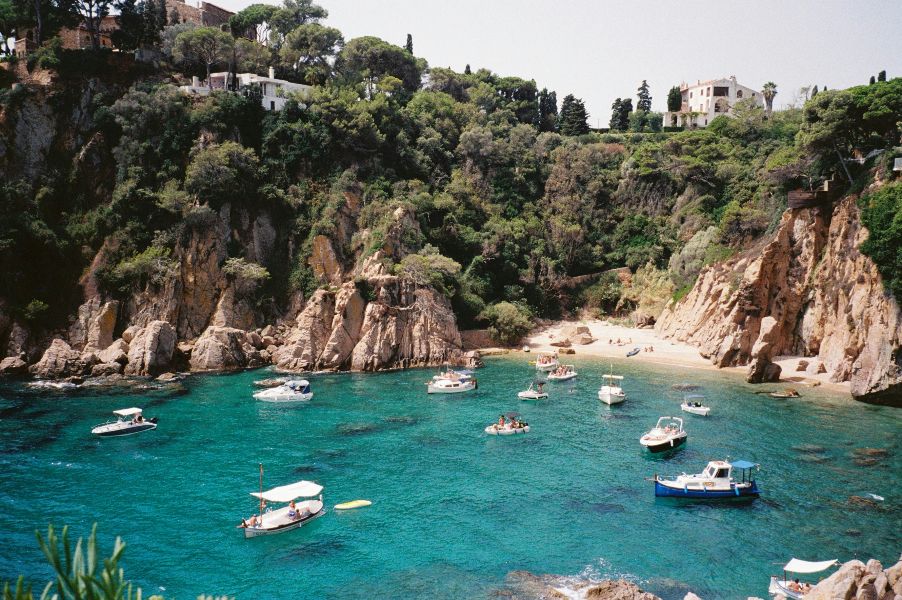
Costa Brava
Catalonia's 'Rugged Coast' trades flat sandy beaches for pine-fringed cliffs and hidden coves carved into the rock. Base yourself in medieval Girona and explore calas by boat, or follow coastal trails between fishing villages that still feel wonderfully undiscovered. — Best for: hikers, boat lovers, quieter beach escapes

Canary Islands
Warm year-round weather makes these volcanic islands off Africa's coast a favorite winter escape, when the rest of Europe shivers. Black-sand beaches, otherworldly volcanic landscapes, and world-class surfing make each island feel distinctly different from the last. — Best for: winter sun-chasers, surfers, unique landscapes

San Sebastián
This coastal Basque city packs more Michelin stars per capita than almost anywhere on Earth, yet its real culinary soul lives in Old Town pintxo bars — small, inventive bites meant for hopping between spots with a glass of txakoli. — Best for: foodies, wine lovers, culinary travelers

La Rioja
Spain's most celebrated wine region has been perfecting Tempranillo-based reds for centuries, aged in oak barrels beneath striking modern bodegas designed by star architects. Tastings here pair world-class wine with medieval villages barely touched by time. — Best for: wine lovers, road trippers, architecture fans

Andalusian Tapas
In Andalusia, ordering a drink often means a free tapa arrives alongside it — a tradition that turns bar-hopping into a full culinary crawl. Jamón ibérico, chilled gazpacho, and fried fish define a food culture built for sharing and lingering late into the night. — Best for: foodies, social eaters, night owls
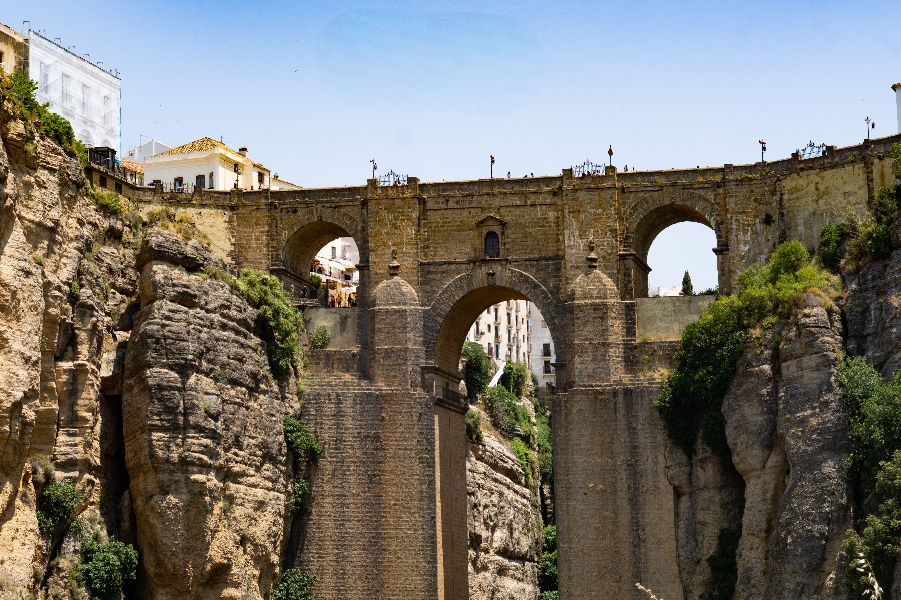
Ronda
Perched dramatically on either side of a 100-meter gorge, Ronda is connected by a stone bridge so striking it seems almost impossible. Hike down into the canyon for a view looking up at the cliffside houses, then explore one of Spain's oldest bullrings. — Best for: photographers, hikers, day-trippers from Málaga

Cuenca
Medieval houses cling improbably to the edge of a limestone gorge here, seemingly defying gravity above the river below. The famous Casas Colgadas now house a modern art museum, adding a surprising contemporary twist to this centuries-old skyline. — Best for: architecture lovers, art enthusiasts, quiet getaways
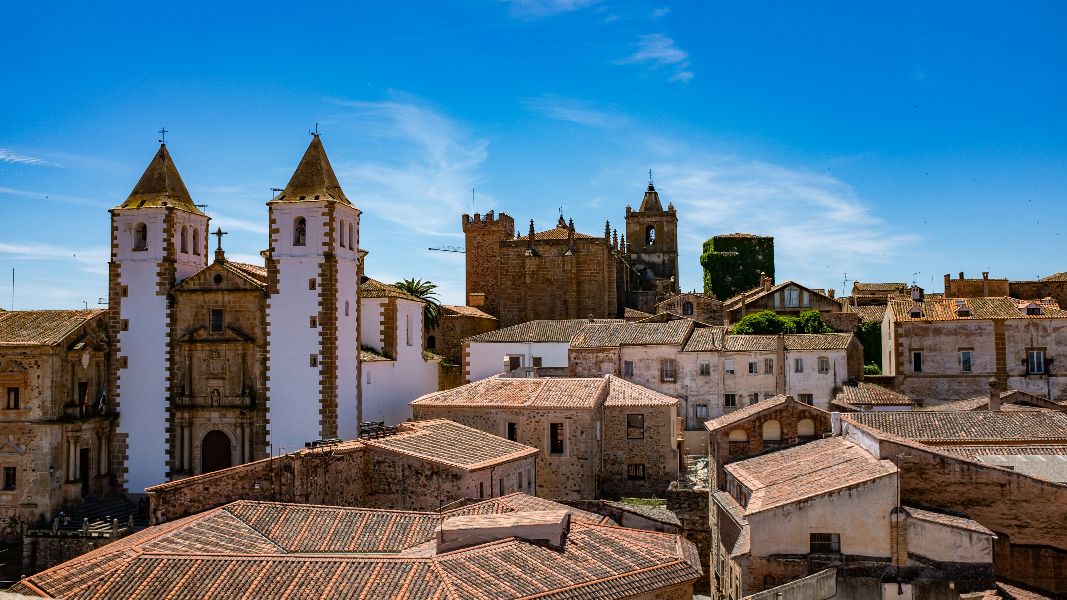
Cáceres
This remarkably preserved medieval old town in remote Extremadura feels frozen in the 15th century, with stone towers and palaces so intact that Game of Thrones filmed here. Far fewer tourists make it this far west, leaving the cobbled streets refreshingly quiet. — Best for: history buffs, off-the-beaten-path travelers, film location fans
Madrid → Toledo (Half day)
Spain's former imperial capital sits just 30 minutes from Madrid by high-speed train. Wander the 'City of Three Cultures,' climb to the Alcázar for sweeping views, and don't miss the famous marzipan sold in shops near the cathedral.
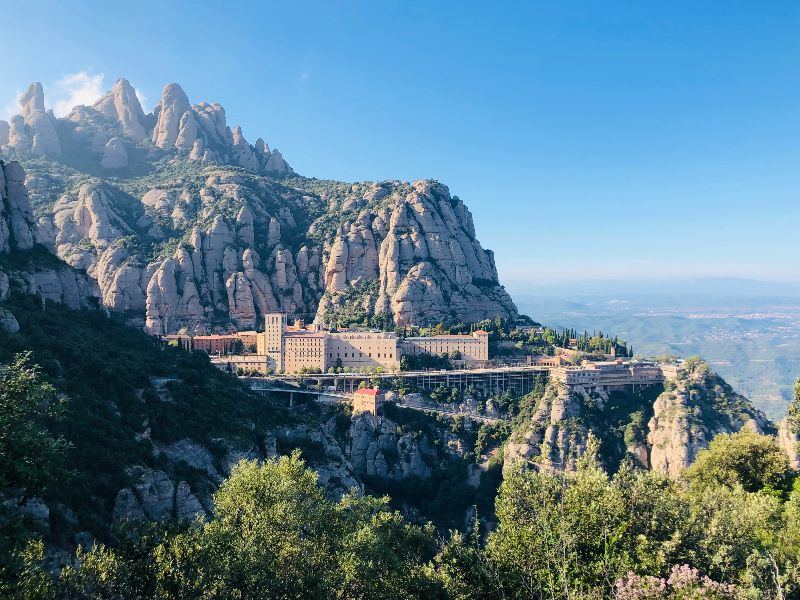
Barcelona → Montserrat
A jagged mountain monastery rises dramatically above the Catalan countryside, just an hour from Barcelona by train and funicular. Hike scenic trails or visit the basilica's famous Black Madonna statue.

Seville → Córdoba (Half day)
The stunning Mezquita — a mosque-turned-cathedral with endless red-and-white striped arches — makes Córdoba one of Andalusia's most striking day trips. High-speed trains from Seville take under an hour, leaving plenty of time to wander the old Jewish quarter too