
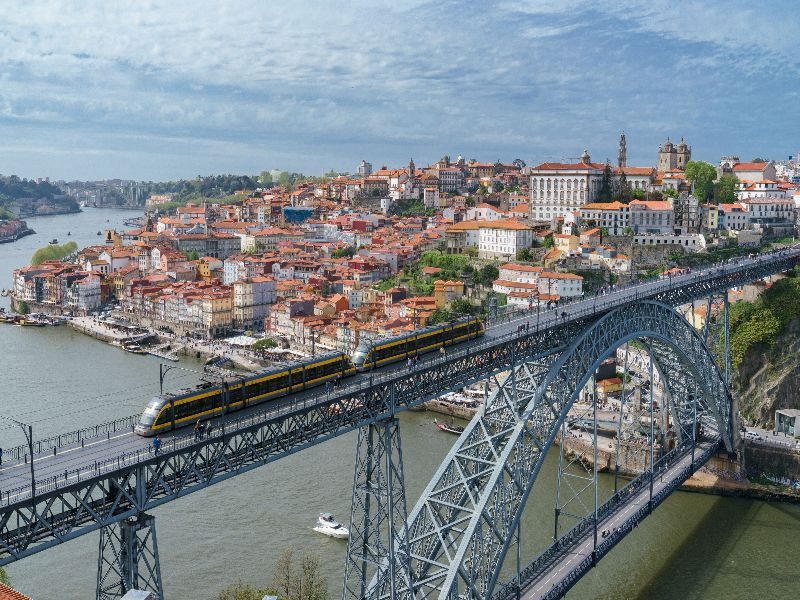


Coimbra
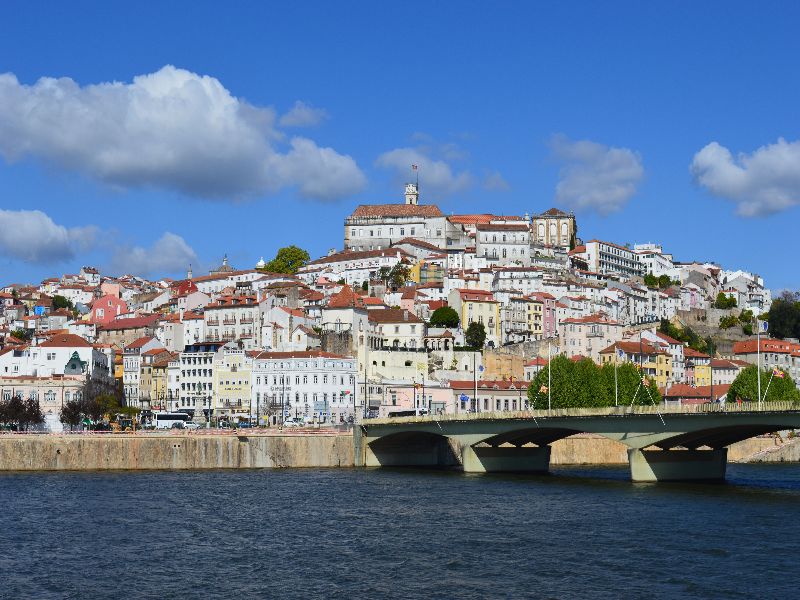
Portugal's oldest university has shaped this hillside city for over 700 years, its Baroque Joanina Library considered one of the most beautiful in the world. Students still wear traditional black capes here, and the melancholic sound of Fado music drifts from bars near the river most evenings. — Best for: history buffs, students at heart, architecture lovers
Évora
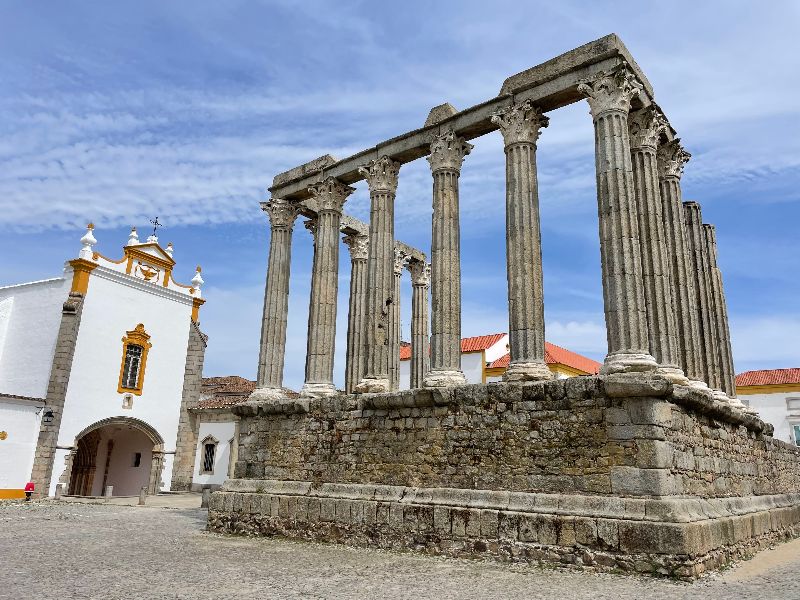
This UNESCO-listed Alentejo city packs a Roman temple, a medieval cathedral, and the eerily fascinating Chapel of Bones — its walls lined entirely with human skulls — into one compact, walkable center. A slower, less-visited counterpoint to Portugal's coastal cities. — Best for: history buffs, off-the-beaten-path travelers, architecture lovers
Braga
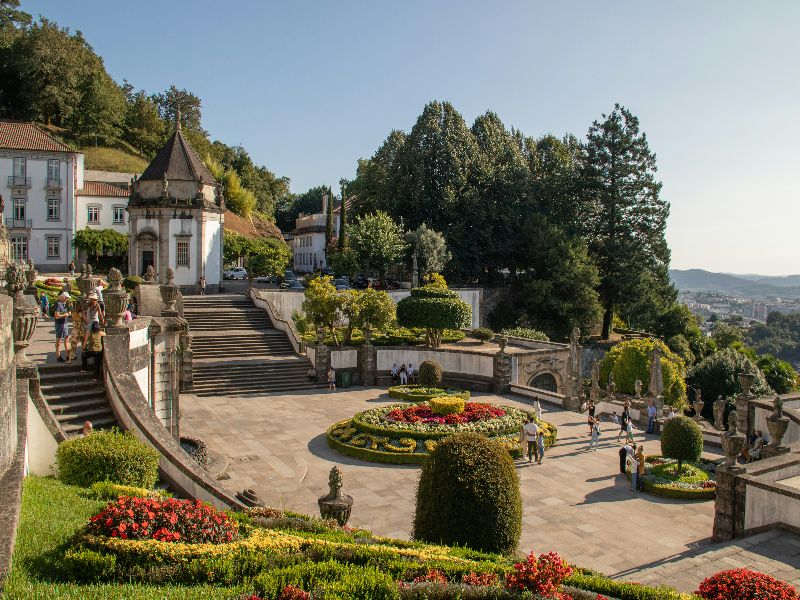
Portugal's oldest city and religious capital is packed with ornate Baroque churches, none more striking than the Bom Jesus do Monte sanctuary, reached by a dramatic zigzagging staircase. A lively student population keeps the historic center feeling young despite its ancient roots. — Best for: history buffs, architecture lovers, day-trippers from Porto
Peneda-Gerês
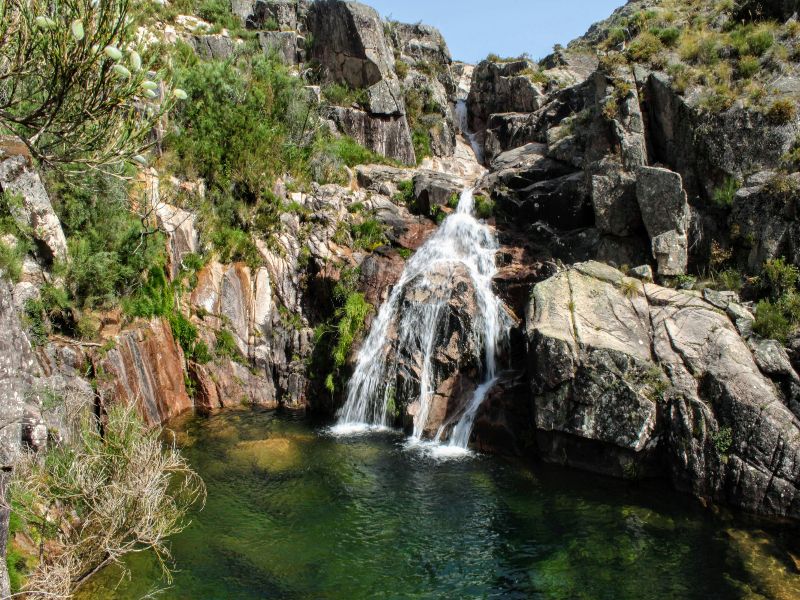
Portugal's only national park protects ancient forests, cascading waterfalls, and free-roaming wild ponies across 270 square miles of wilderness in the north. Hike to glassy mountain lagoons, or explore stone granaries in historic villages like Soajo along the well-preserved Roman road. — Best for: hikers, wildlife watchers, nature photographers
Madeira
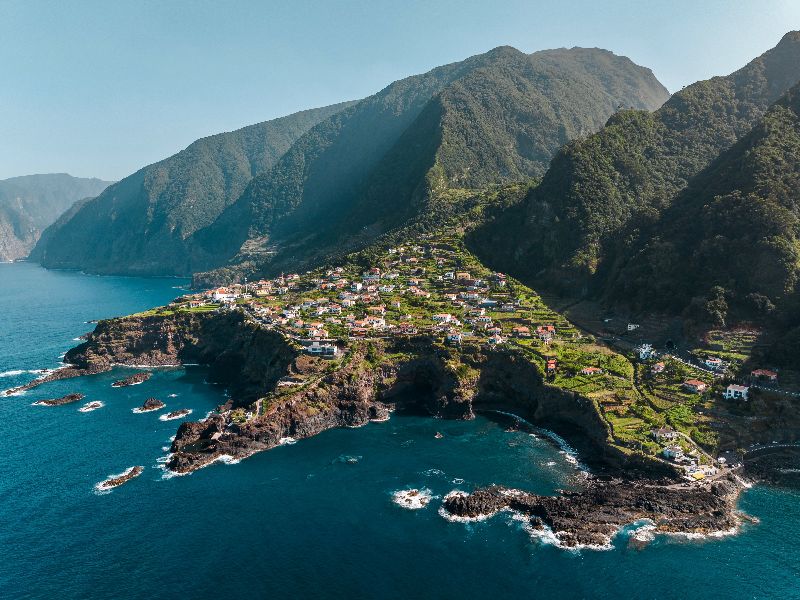
This volcanic island floating in the Atlantic delivers dramatic cliffs, lush subtropical gardens, and hundreds of miles of levada trails — historic irrigation channels turned scenic walking paths. Funchal's harbor views and year-round mild climate make it a favorite for hikers escaping mainland winters. — Best for: hikers, garden lovers, year-round travelers
Azores
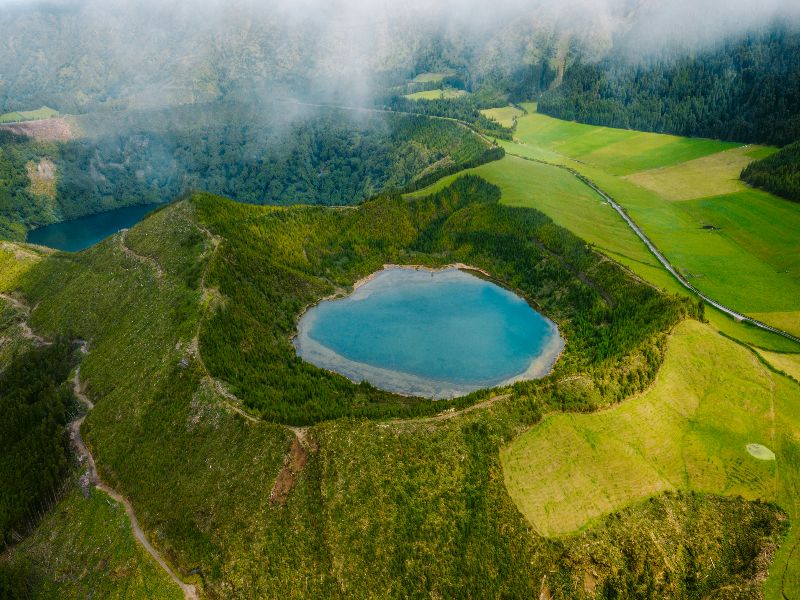
Nine volcanic islands scattered across the mid-Atlantic hide crater lakes, hot springs, and hydrangea-lined roads found nowhere else in Europe. Sete Cidades' twin blue-and-green lakes rank among the continent's most surreal natural sights, best viewed from the crater rim above. — Best for: nature lovers, hikers, unique landscapes
Nazaré
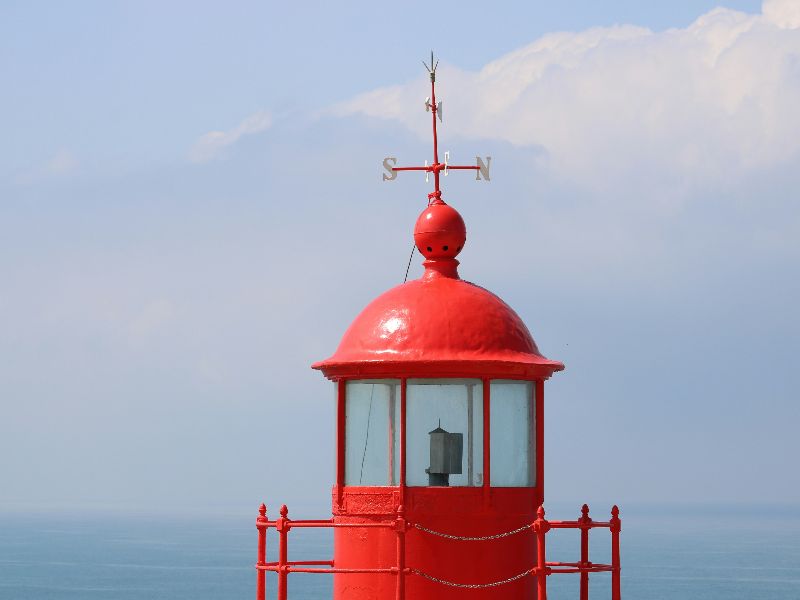
This fishing town holds the world record for the largest wave ever surfed, thanks to an underwater canyon that funnels Atlantic swells into towering, house-sized walls of water. Watch professional surfers take on the giants from the clifftop lighthouse, then relax on the calmer town beach below. — Best for: surfers, thrill-seekers, dramatic photography

Costa Vicentina
Portugal's wildest coastline stretches along the southwest, protected as a natural park and largely free of the development found elsewhere in the Algarve. Dramatic cliffs, empty golden beaches, and world-class surf breaks reward those willing to venture beyond the resorts. — Best for: surfers, hikers, off-the-beaten-path beach lovers
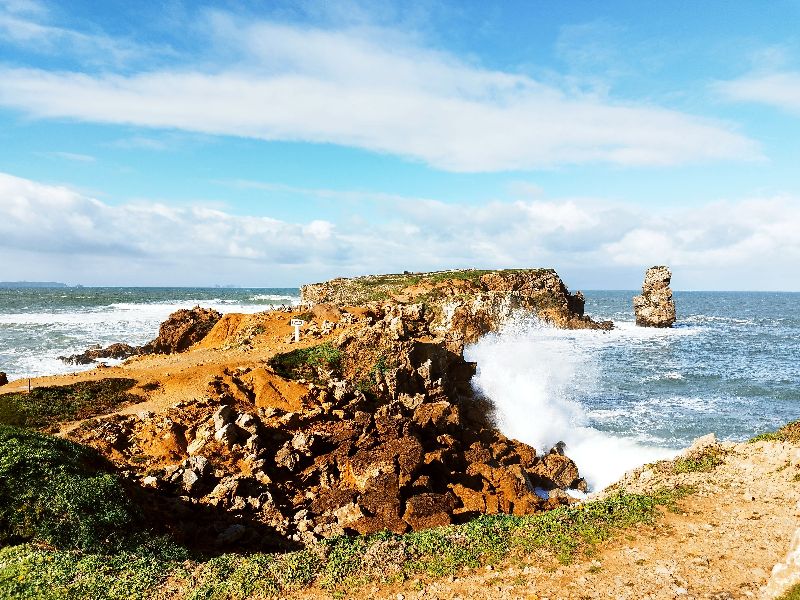
Peniche
This fishing peninsula has become one of Europe's top surf destinations, hosting World Surf League competitions on its consistent Atlantic breaks. Just offshore, the Berlengas Islands nature reserve offers snorkeling and hiking in crystal-clear water far from the mainland crowds. — Best for: surfers, boat trips, nature reserves

Pastel de Nata
Portugal's most famous export isn't wine or cork — it's this custard tart, perfected by monks at Lisbon's Jerónimos Monastery centuries ago. The original recipe remains a closely guarded secret at Pastéis de Belém, but excellent versions are sold warm, dusted with cinnamon, in nearly every café nationwide. — Best for: dessert lovers, café culture seekers, quick bites

Port wine
This rich, fortified wine has been aged in cellars along the Douro River for well over 300 years, its sweet, complex flavor earning global fame under strict regional protection and centuries-old production methods. Cross the river from Porto to Vila Nova de Gaia, where historic wine lodges offer guided tastings straight from towering, centuries-old oak barrels. — Best for: wine lovers, history buffs, cellar tours

Portuguese Seafood
With one of Europe's longest coastlines and a deep-rooted fishing tradition, Portugal takes seafood seriously — bacalhau (salt cod) alone has over 365 documented recipes, one for every day of the year. Sardines grilled over open coals and cataplana, a copper-pot seafood stew, round out a cuisine built entirely around the Atlantic. — Best for: seafood lovers, foodies, coastal dining
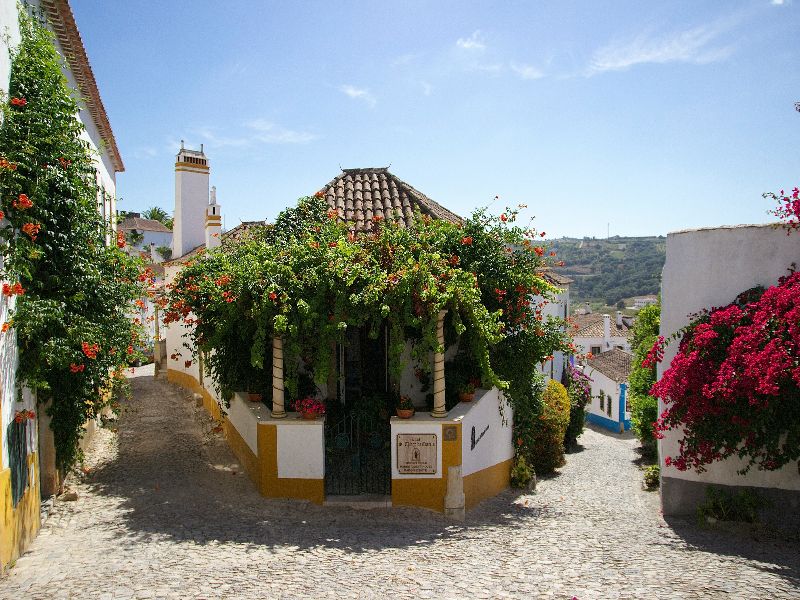
Óbidos
This entirely walled medieval town looks frozen in time, its whitewashed houses trimmed in bright yellow and blue behind still-intact fortress walls. Sip ginjinha, a sweet cherry liqueur, served in a small chocolate cup from a street vendor — a quirky local tradition worth seeking out. — Best for: history buffs, photographers, day-trippers from Lisbon
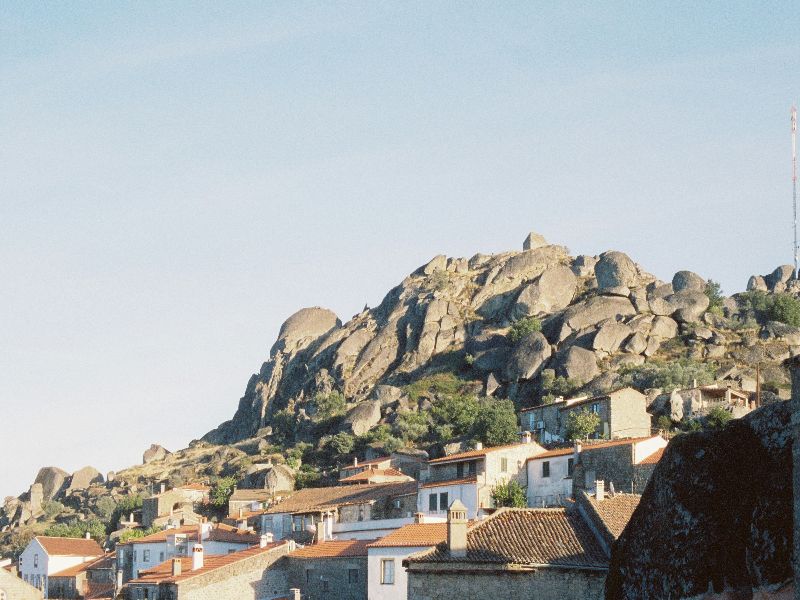
Monsanto
Officially named 'the most Portuguese village in Portugal,' Monsanto's houses are built directly into — and sometimes under — massive granite boulders, some using the rocks themselves as walls or roofs. A genuinely surreal place that feels more like a fantasy film set than an actual village. — Best for: photographers, off-the-beaten-path travelers, unique architecture
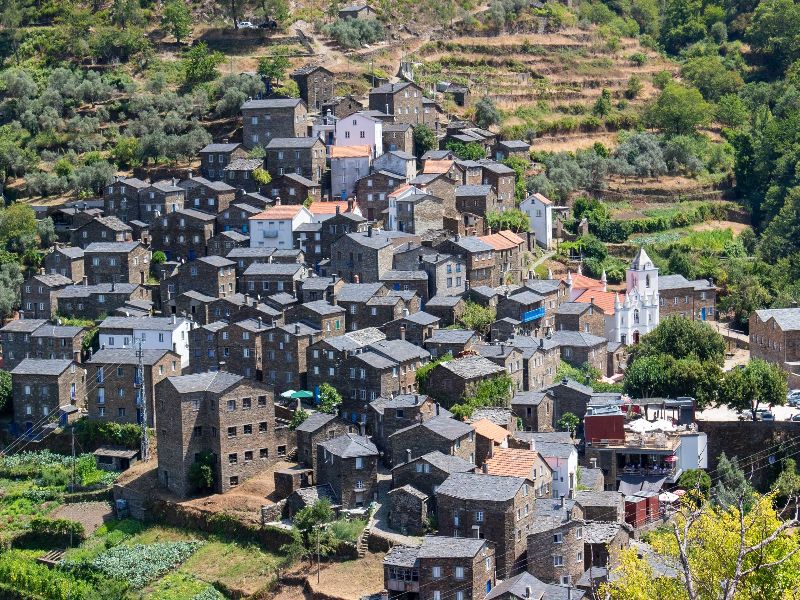
Piódão
Tucked deep into the Serra do Açor mountains, this schist-stone village was so isolated it didn't get electricity until the 1980s. Uniform gray stone houses cascade down the steep hillside, earning it the nickname 'the fairy-tale village' among locals. — Best for: hikers, off-the-beaten-path travelers, mountain scenery
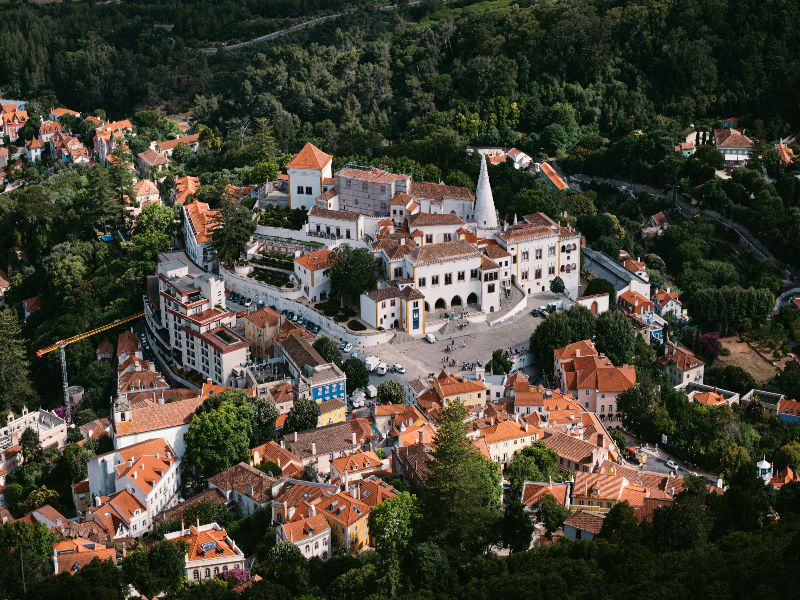
Lisbon → Sintra (Half day)
Fairy-tale palaces sit just 40 minutes from Lisbon by train. Visit the colorful Pena Palace and mysterious Quinta da Regaleira, then grab a travesseiro pastry before heading back — Sintra's train runs frequently throughout the day.
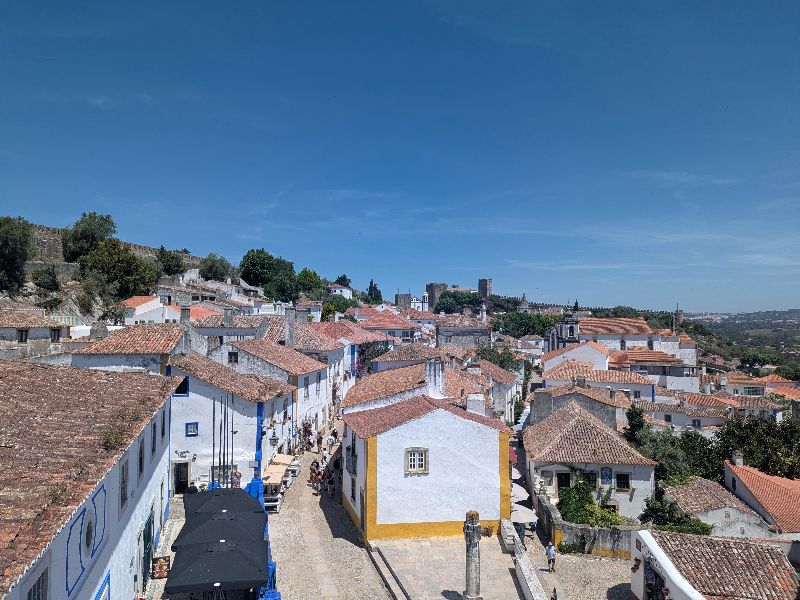
Titlu: "Lisbon → Nazaré (Full day)
Combine a walled medieval town with the world's biggest waves in one scenic loop north of Lisbon. Wander Óbidos' cobbled streets and sip ginjinha, then continue to Nazaré's clifftop lighthouse for views over the legendary surf break.
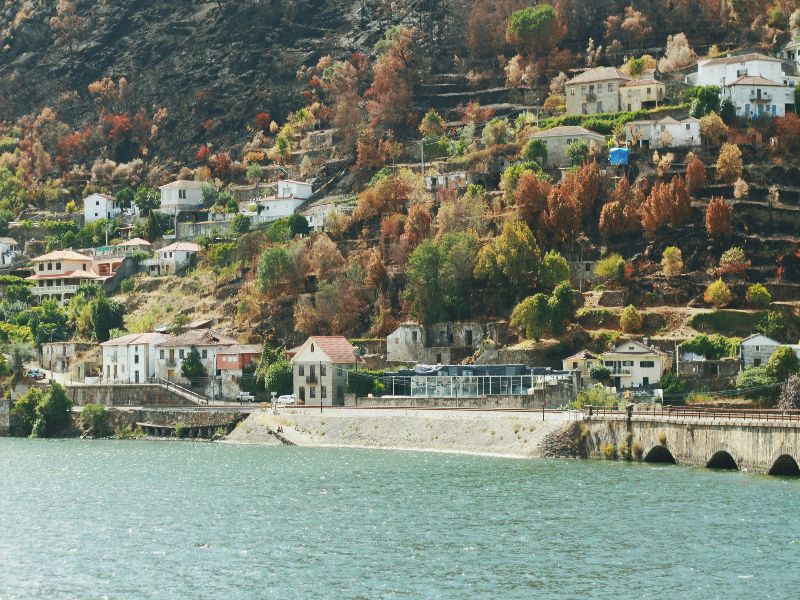
Porto → Douro Valley (Half day)
Terraced vineyards along the river are just over an hour from Porto by train or car. Take a scenic river cruise, stop at a family-run quinta for a wine tasting, or simply enjoy one of Europe's most beautiful train rides along the Douro.