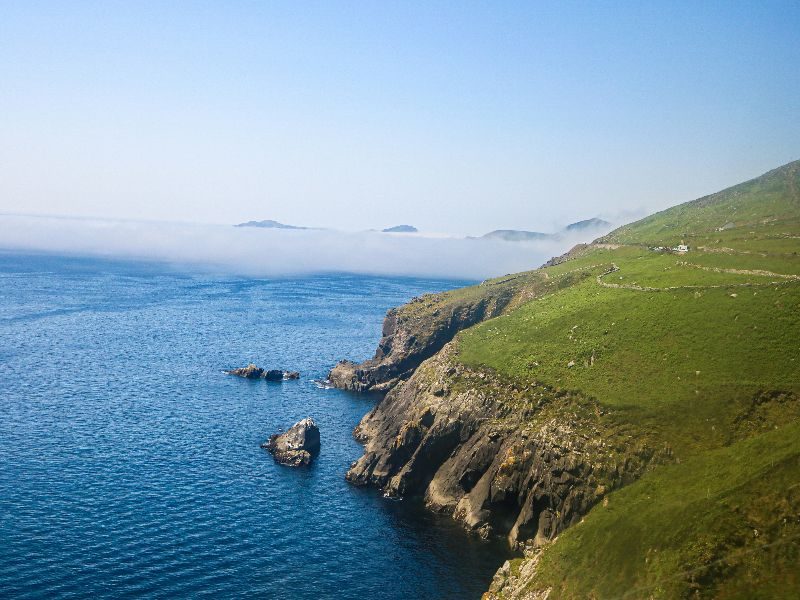
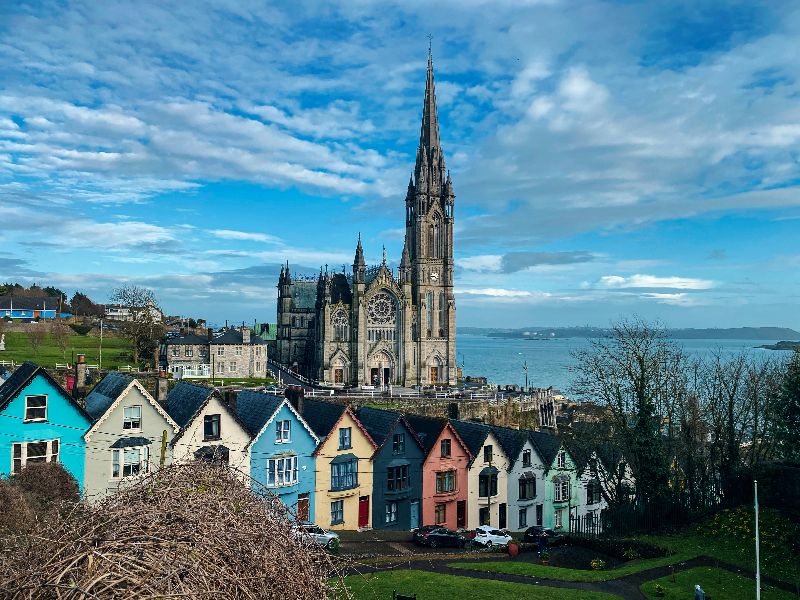
Cork
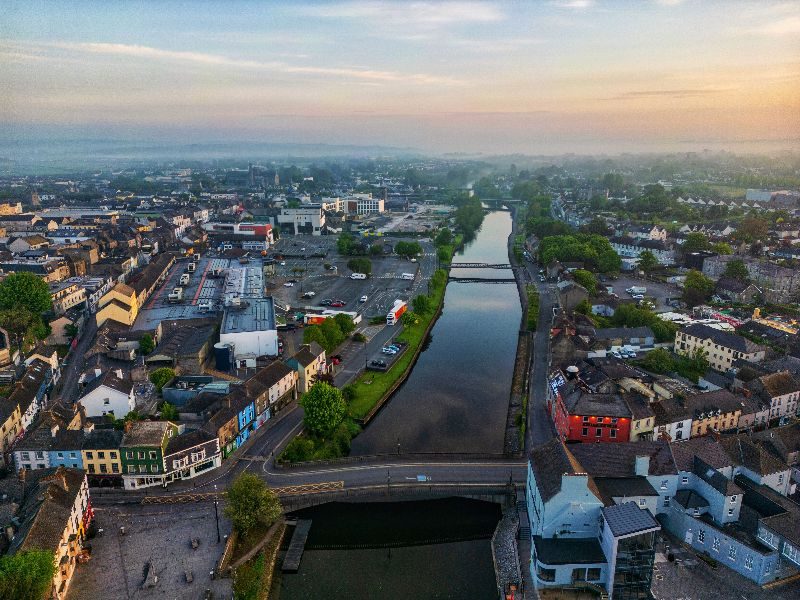
Ireland's second city has quietly become the country's food capital, anchored by the historic English Market and a genuinely rebellious, independent spirit locals call the 'Rebel County.' Colorful shopfronts and riverside walks make it one of Ireland's most walkable, underrated cities. — Best for: foodies, culture lovers, easy walkable exploring
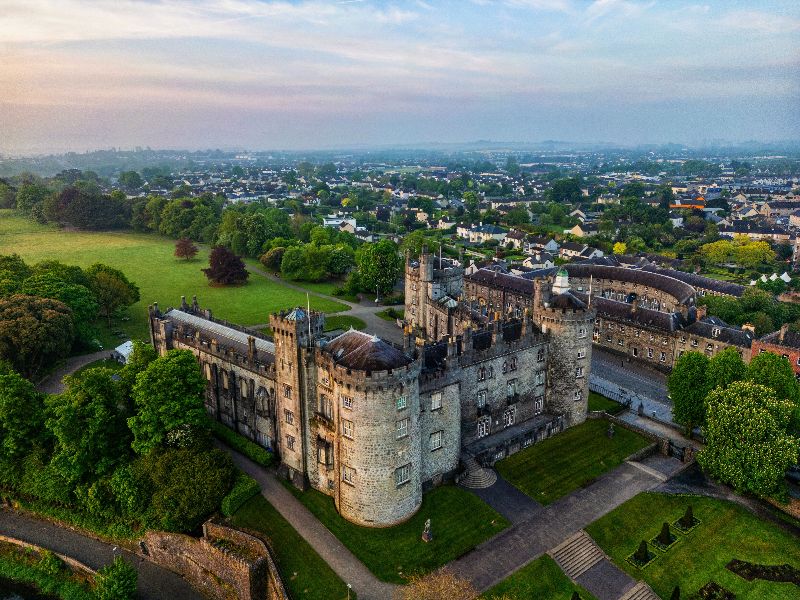
Kilkenny
"Nicknamed the 'Marble City,' this compact medieval town packs a formidable Norman castle, a soaring Gothic cathedral, and a genuinely thriving craft beer scene into an easily walkable center. The Medieval Mile trail connects centuries of layered history in a single unhurried afternoon stroll through cobbled streets. — Best for: history buffs, craft beer lovers, day-trippers
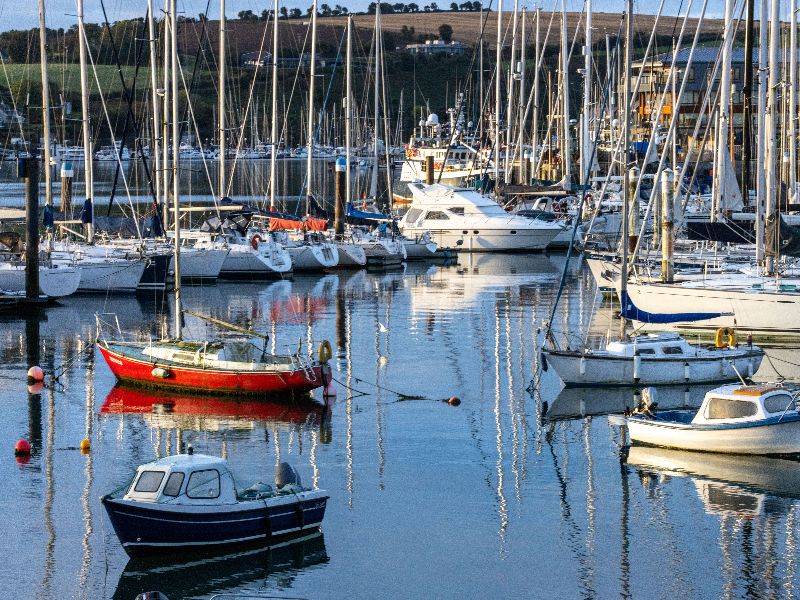
Kinsale
This picture-perfect harbor town has earned a reputation as Ireland's culinary capital, its colorful shopfronts hiding some of the country's best seafood restaurants. Wander the narrow streets, visit the star-shaped Charles Fort, then finish with fresh oysters overlooking the marina. — Best for: foodies, romantics, coastal charm seekers
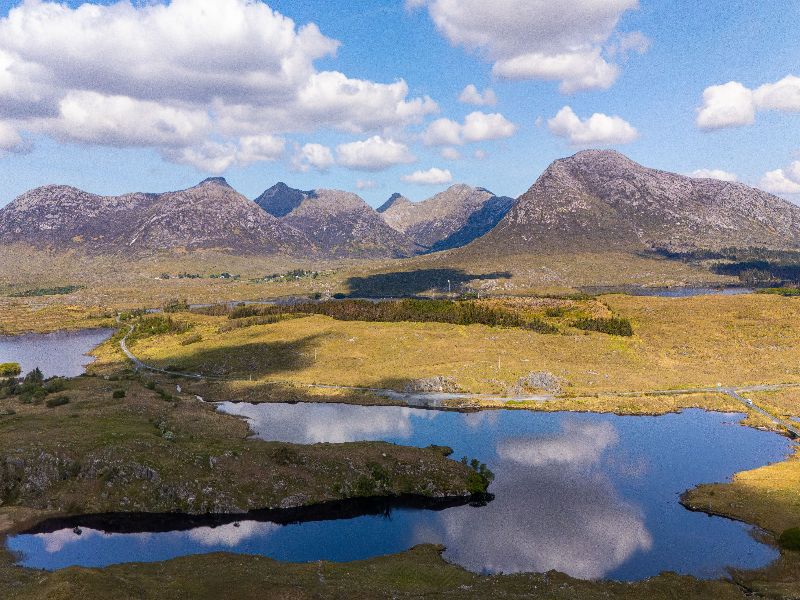
Connemara
Wild, boggy, and largely untouched, Connemara delivers some of Ireland's most rugged natural beauty — quartzite peaks, glacial valleys, and Kylemore Abbey reflected in a still lake. This is the landscape that inspired centuries of Irish folklore and poetry. — Best for: hikers, photographers, nature lovers
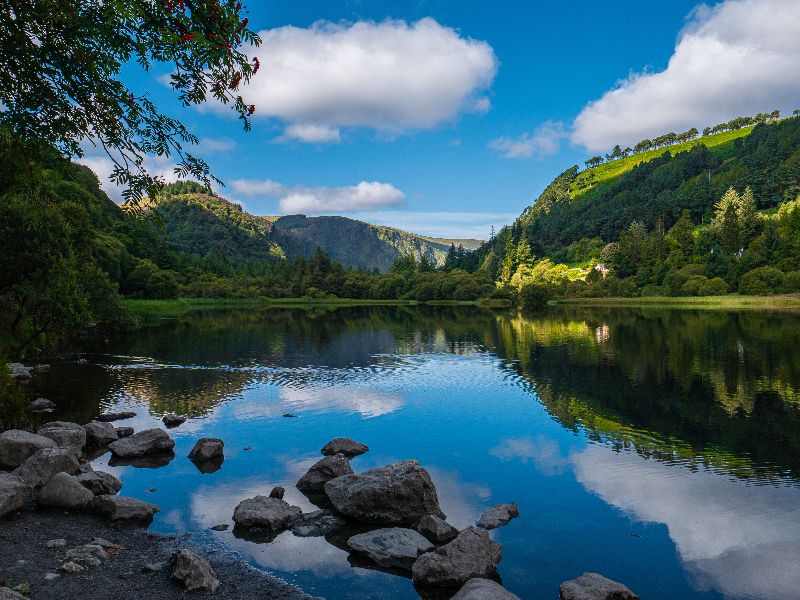
Wicklow Mountains
Known as the 'Garden of Ireland,' this range sits less than an hour from Dublin yet feels a world away — heather-covered hills, the monastic ruins of Glendalough, and the grand gardens of Powerscourt Estate. An easy escape into genuine wilderness. — Best for: day-trippers from Dublin, hikers, history buffs
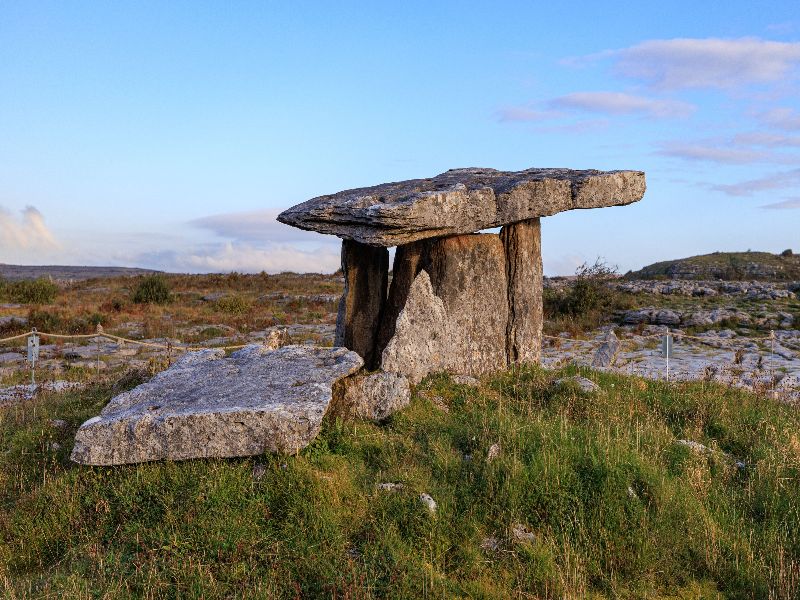
The Burren
This otherworldly limestone landscape looks almost lunar, its cracked karst pavement hiding rare Arctic and Mediterranean wildflowers found nowhere else together. Ancient portal tombs dot the terrain throughout. — Best for: geology enthusiasts, botanists, unique landscapes
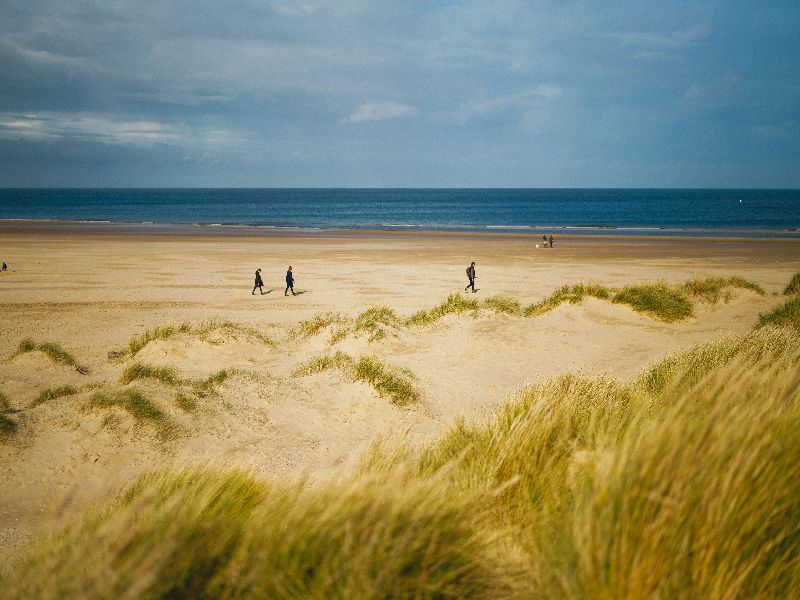
Inch Beach
A dramatic three-mile stretch of golden sand curves along the Dingle Peninsula, backed by rolling dunes and framed by distant mountains. Surfers ride Atlantic swells year-round, while walkers have the vast beach almost entirely to themselves outside summer. — Best for: surfers, beach walkers, dramatic coastal photography
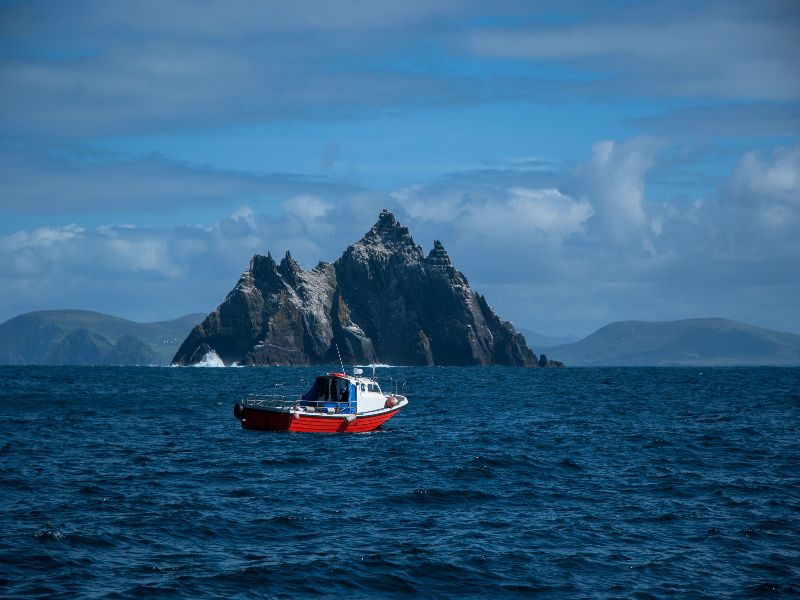
Skellig Islands
Skellig Michael, a UNESCO World Heritage site, hides 6th-century monastic beehive huts perched improbably atop a jagged sea stack — and thousands of nesting puffins in summer. Star Wars fans will recognize it as Luke Skywalker's remote hideaway, but the real history is just as remarkable. — Best for: history buffs, puffin watchers, adventurous boat trips
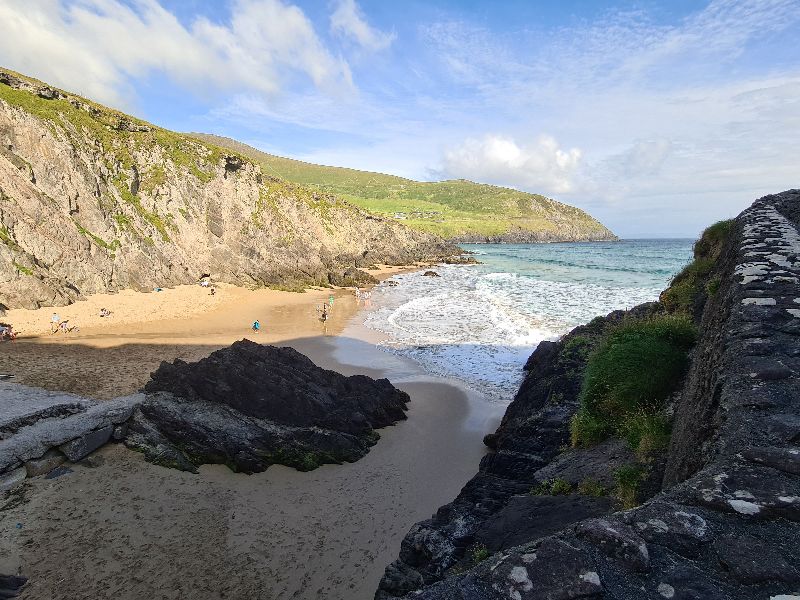
Achill Island
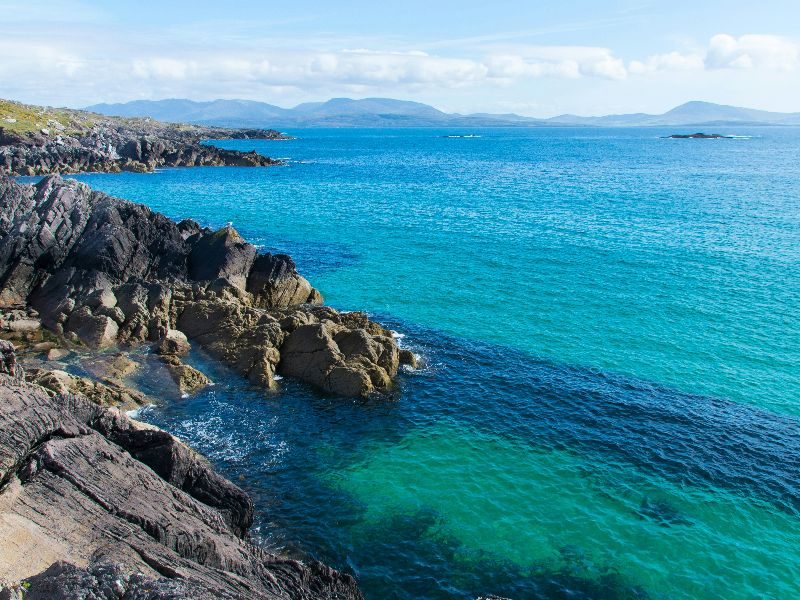
Ireland's largest island connects to the mainland by a single bridge, opening onto some of the country's wildest, least crowded beaches. Keem Bay's turquoise water looks almost tropical against the rugged Atlantic backdrop — a genuine hidden gem even among the Irish themselves. — Best for: beach lovers, hikers, off-the-beaten-path travelers
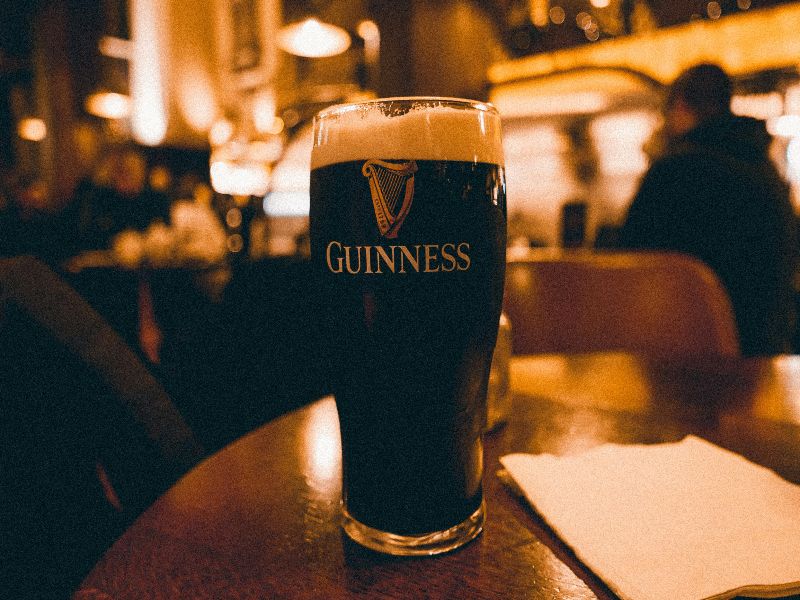
Guinness & Pub Culture
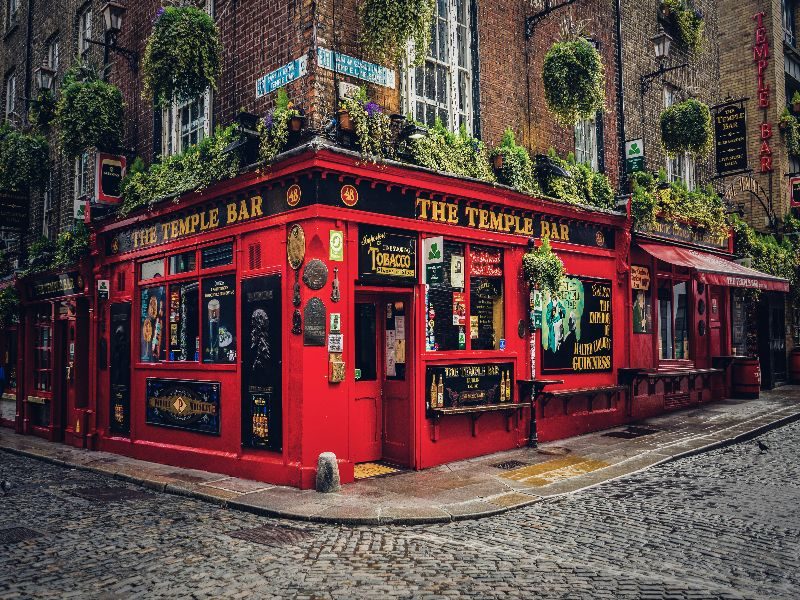
The Irish pub is more community hub than bar — a place for live traditional music, unhurried conversation, and a perfectly poured pint of Guinness (yes, the pour really does take longer, and it's worth the wait). Dublin's Guinness Storehouse tells the full story from grain to glass. — Best for: culture seekers, music lovers, social travelers
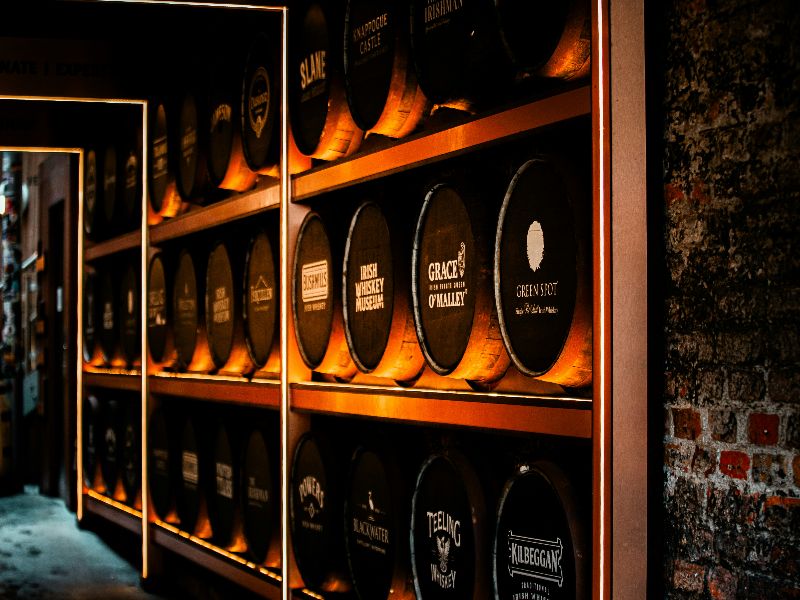
Irish Whiskey
Ireland was distilling whiskey centuries before Scotland claimed the spotlight, and the craft is experiencing a genuine renaissance with new distilleries opening across the country. Triple-distilled for a smoother finish than Scotch, it's worth a tasting tour to understand the difference firsthand. — Best for: whiskey enthusiasts, distillery tours, history buffs
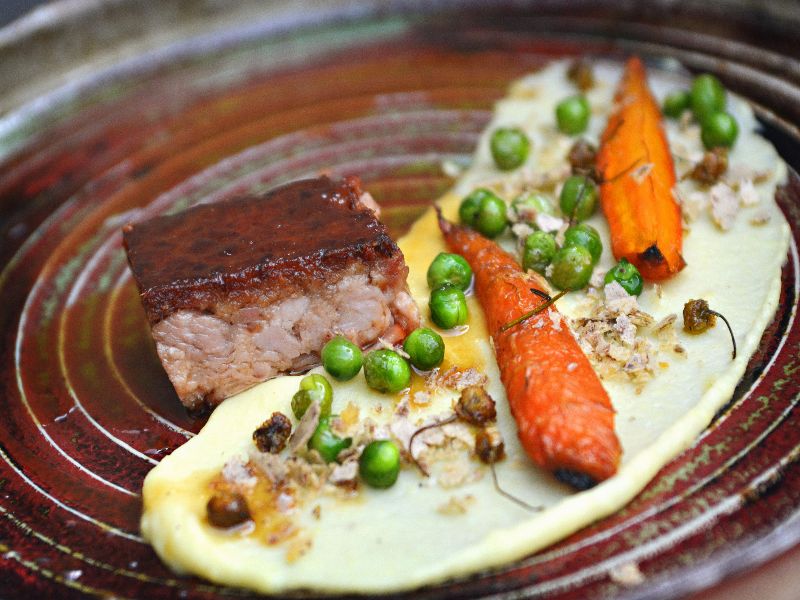
Traditional Irish Cuisine
Hearty and unpretentious, Irish food centers on quality ingredients done simply — slow-cooked Irish stew, warm soda bread, and seafood chowder that varies from coast to coast depending on the day's catch. Modern Irish restaurants are elevating these classics without losing their comforting soul. — Best for: comfort food lovers, foodies, seafood fans
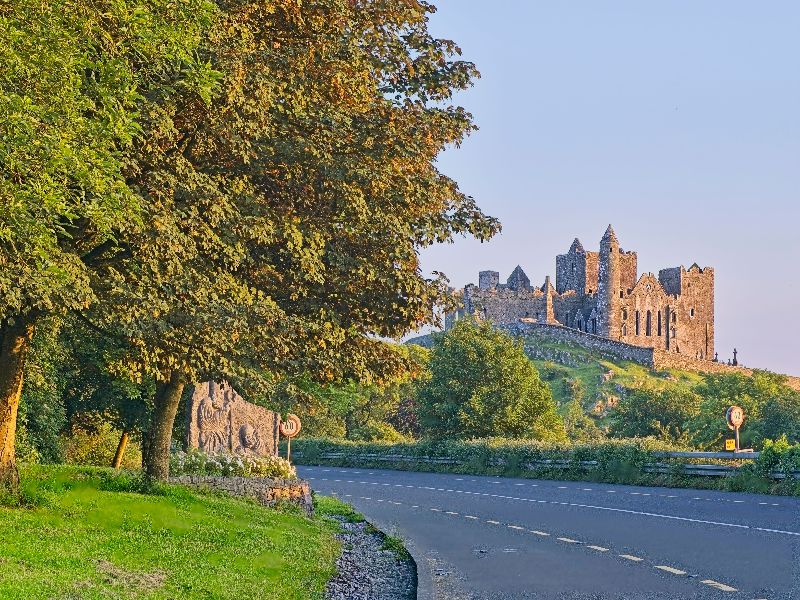
Rock of Cashel
A dramatic cluster of medieval buildings crowns this rocky outcrop, once the seat of Munster's kings and, according to legend, the site where St. Patrick baptized a local ruler in the 5th century. The Gothic cathedral ruins rank among Ireland's most striking historical sights. — Best for: history buffs, photographers, day-trippers
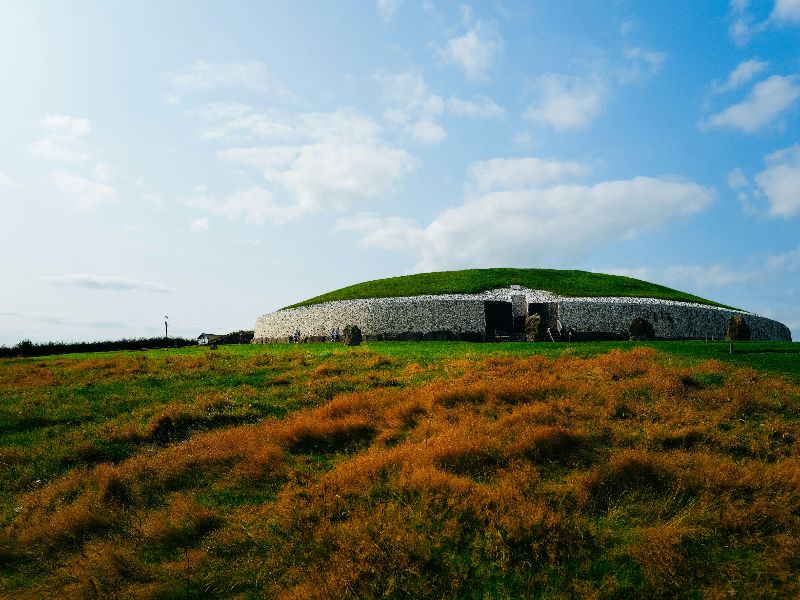
Newgrange
This Neolithic passage tomb predates both Stonehenge and the Egyptian pyramids by centuries, its inner chamber precisely aligned to catch sunrise on the winter solstice. Prehistoric spiral carvings decorate the entrance stone, still a mystery after 5,000 years. — Best for: history buffs, archaeology enthusiasts, bucket-list travelers
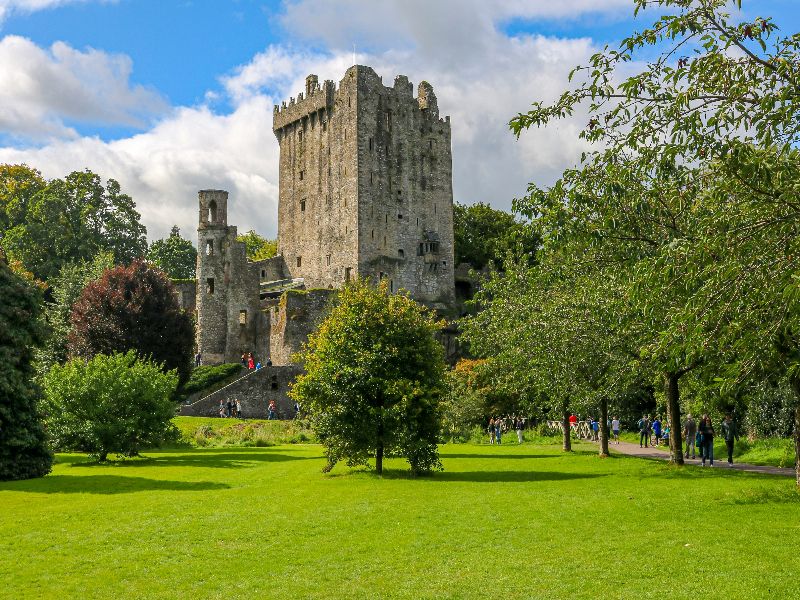
Blarney Castle
Kiss the legendary Blarney Stone at the very top of this medieval tower and, according to tradition, you'll be forever blessed with the gift of eloquent speech. Beyond the famous stone, the surrounding gardens and peaceful woodland trails make for a genuinely pleasant afternoon wander. — Best for: castle enthusiasts, tradition seekers, families
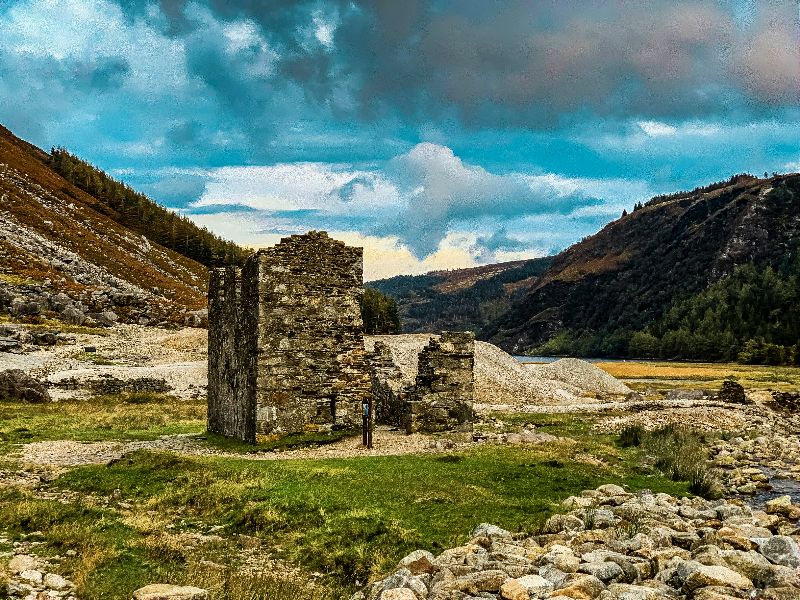
Dublin → Wicklow Mountains & Glendalough (Half day)
Ancient monastic ruins sit beside two peaceful glacial lakes, just an hour south of Dublin. Hike the surrounding trails, then continue to Powerscourt Estate for landscaped gardens and a dramatic waterfall, all easily combined in one scenic loop.
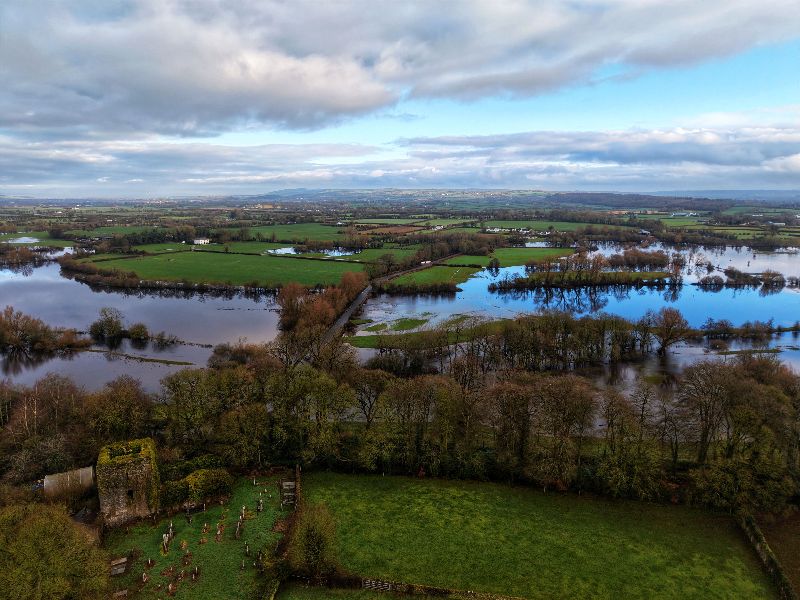
Dublin → Newgrange & Boyne Valley (Half day)
"This UNESCO-listed valley holds Ireland's richest concentration of prehistoric monuments, anchored by the 5,000-year-old passage tomb at Newgrange. Just 45 minutes from Dublin, guided tours take you inside the ancient chamber.

Dublin → Newgrange & the Boyne Valley Tombs (Half day)
Just 20 minutes from Cork, this medieval castle draws visitors eager to kiss the famous Blarney Stone atop its tower. Beyond the tradition, the extensive gardens and woodland trails make for a relaxed half-day escape from the city