Where medieval fairy-tale castles meet cutting-edge cities, and beer gardens are basically a national pastime.
Germany
Germany is the country that gave the world fairy tales, philosophy, and the autobahn — and somehow makes all three feel like they belong together. From the medieval half-timbered towns of Bavaria to the cutting-edge energy of Berlin, from the wine-soaked slopes of the Rhine Valley to the windswept beaches of the Baltic coast, no two regions feel alike — yet every one of them feels unmistakably German. Whether you’re chasing castles, craft beer, or contemporary art, this is where your European story can begin.
CURRENCY
Euro (€)
BEST TIME TO VISIT
Apr–Jun, Sep–Oct
GETTING THERE
Berlin, Munich, Frankfurt
GETTING AROUND
ICE high-speed rail
Fairytale castles.
Germany at a Glance
How does this destination fit your travel style?
Top 5 Destinations in Germany
01
Berlin
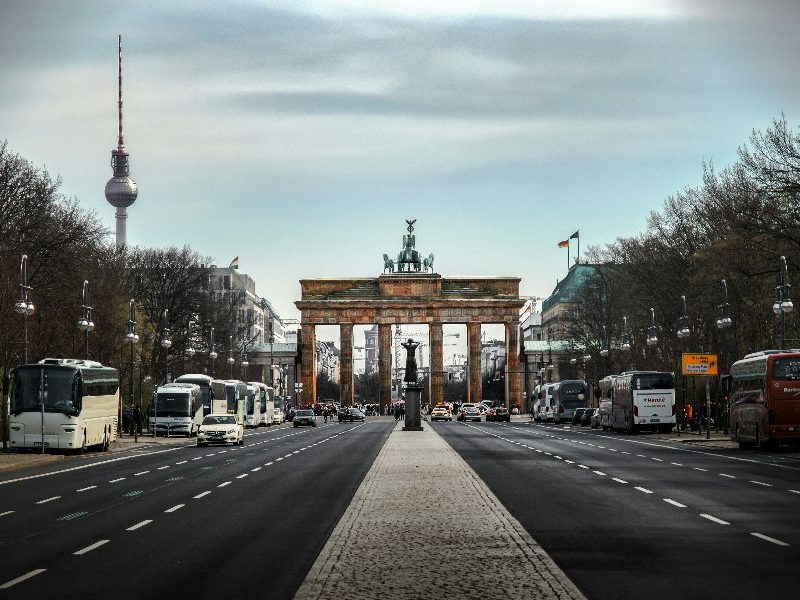
Modern Germany and its complex history collide at every corner of the capital. World-class museums, raw street art, and a nightlife scene that never quite sleeps — Berlin rewards travelers who like their cities with an edge.
02
Munich
Bavaria’s capital blends beer-garden charm with serious culture — the walkable Old Town, world-class museums, and easy access to castles and mountains. Visit in late September for Oktoberfest, or any other month for the same warm hospitality.
03
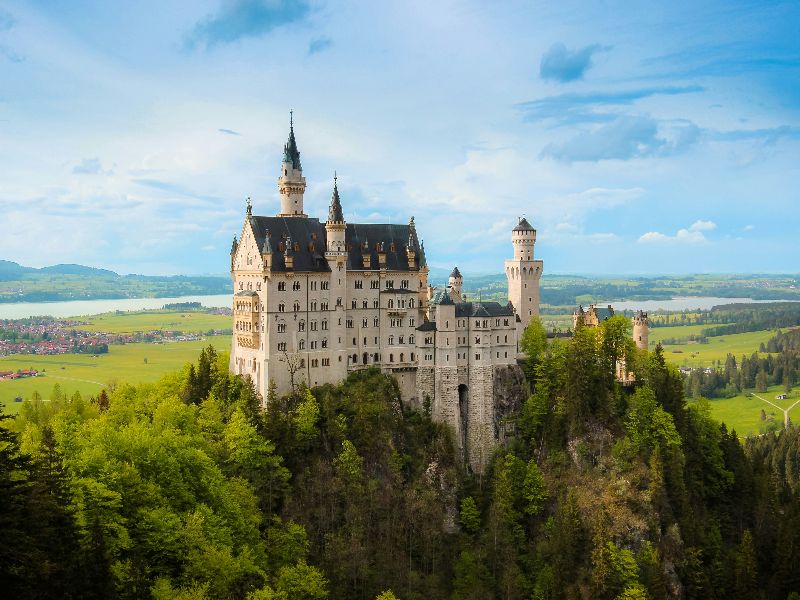
Neuschwanstein Castle
King Ludwig II’s fairy-tale fantasy rises from the Bavarian Alps like something out of a storybook — because it literally inspired one (Disney’s Sleeping Beauty Castle). Visit early or in fall to beat the crowds that flock here year-round.
04
Rhine Valley
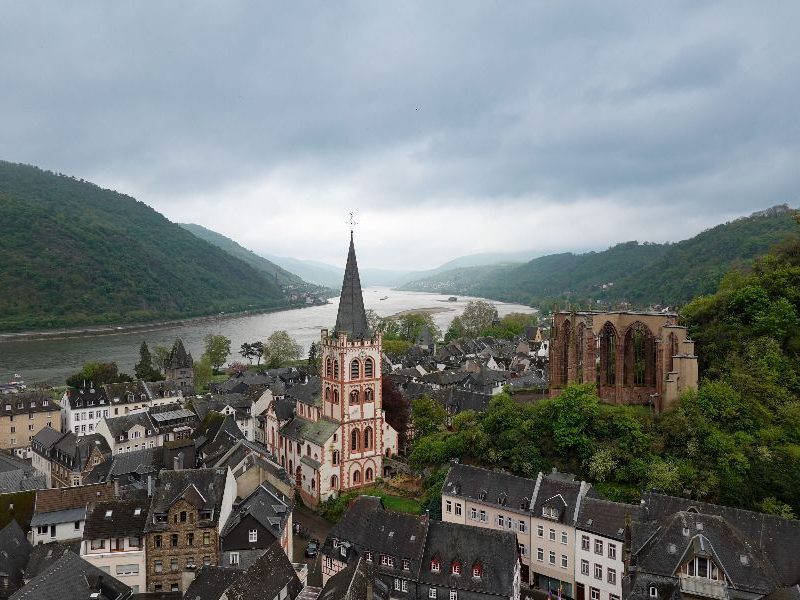
Storybook castles perch on hilltops above terraced vineyards along one of Europe’s most scenic stretches of river. Cruise between towns, sip Riesling at a cellar door, or just watch the valley unfold from a slow-moving train.
05
Black Forest
Dense, fairy-tale forests hide waterfalls, half-timbered villages, and the spa town of Baden-Baden at the southern edge. Drive the scenic Schwarzwaldhochstraße, hike between valleys, and don’t leave without trying an actual Black Forest cake.
CATEGORY 01
Cities & Culture

Berlin
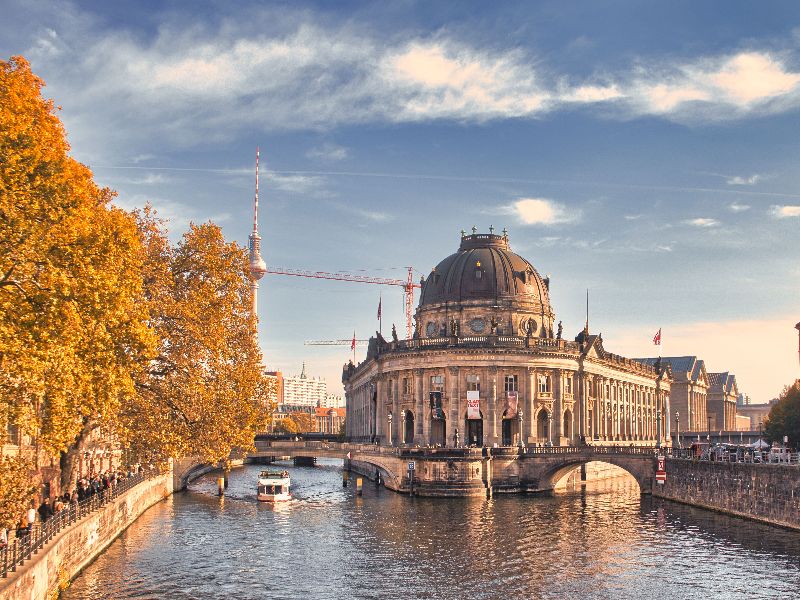
History lives on every corner here — from Cold War checkpoints to world-class museums on an island built for them. Berlin doesn't sanitize its past; it builds a fascinating, forward-looking city right on top of it. — Best for: history buffs, art lovers, night owls
Hamburg
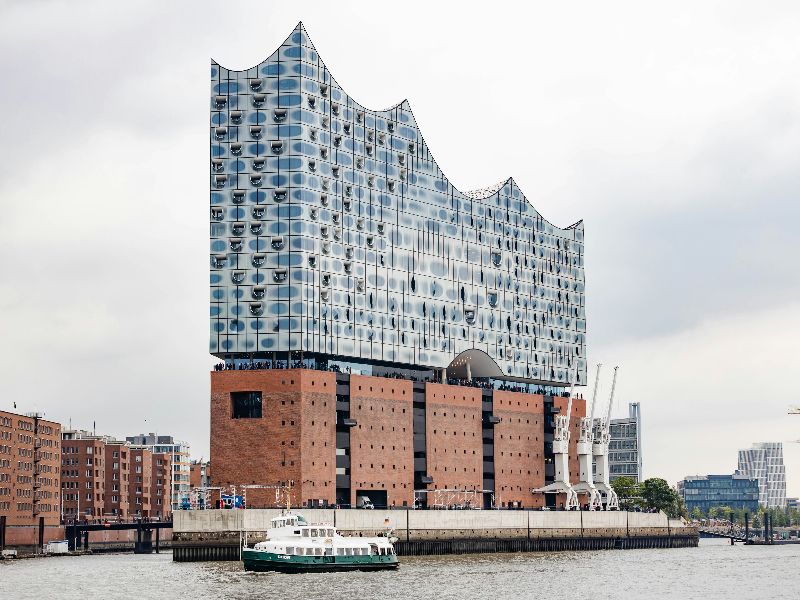
Germany's gateway to the sea trades castles for cranes and canals — more bridges than Venice and Amsterdam combined, plus a striking modern concert hall rising from the old harbor. — Best for: architecture fans, port-city lovers, day-trippers from Berlin
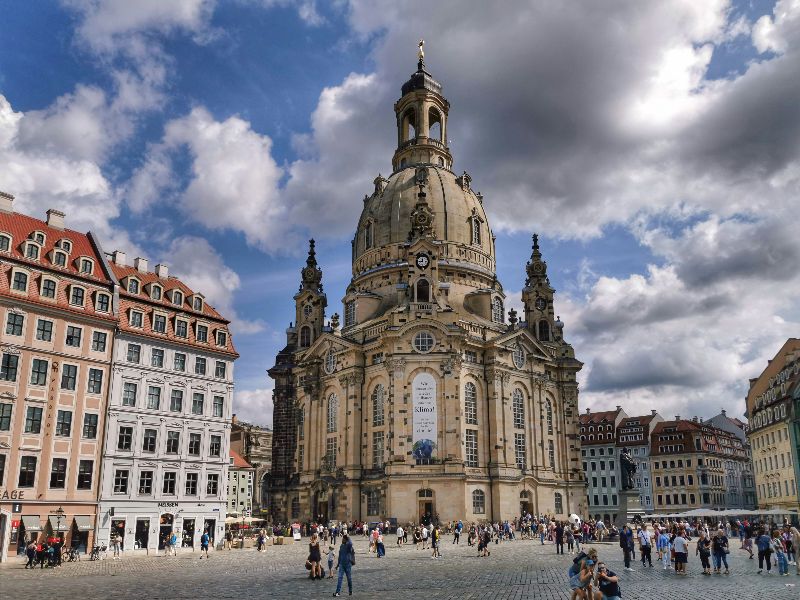
Dresden
Nearly leveled in World War II, Dresden rebuilt its baroque old town stone by stone, earning the nickname 'Florence on the Elbe.' The result is a city that feels both ancient and remarkably resilient. — Best for: architecture lovers, history buffs, art enthusiasts
CATEGORY 02
Nature & Landscapes

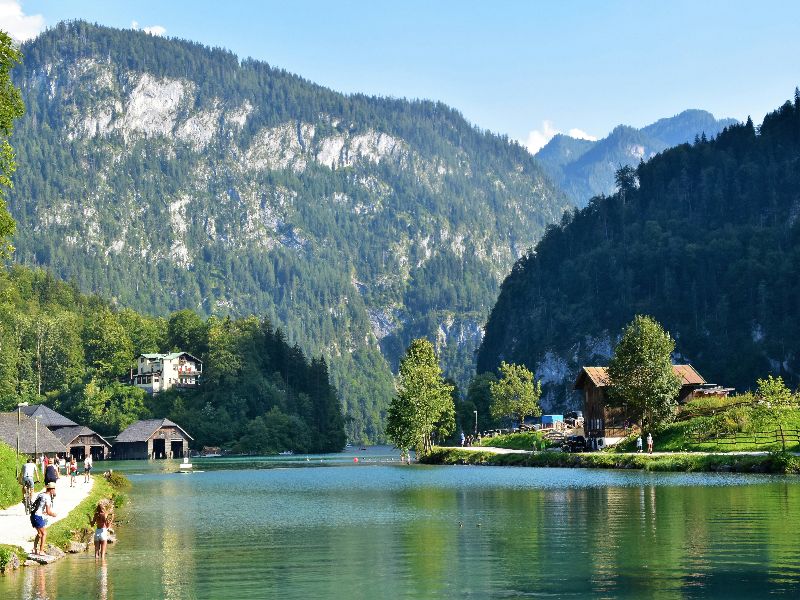
Bavarian Alps
Germany's highest peaks rise dramatically along the Austrian border, home to turquoise alpine lakes and hiking trails that rival anything in Switzerland. — Best for: hikers, skiers, mountain photographers
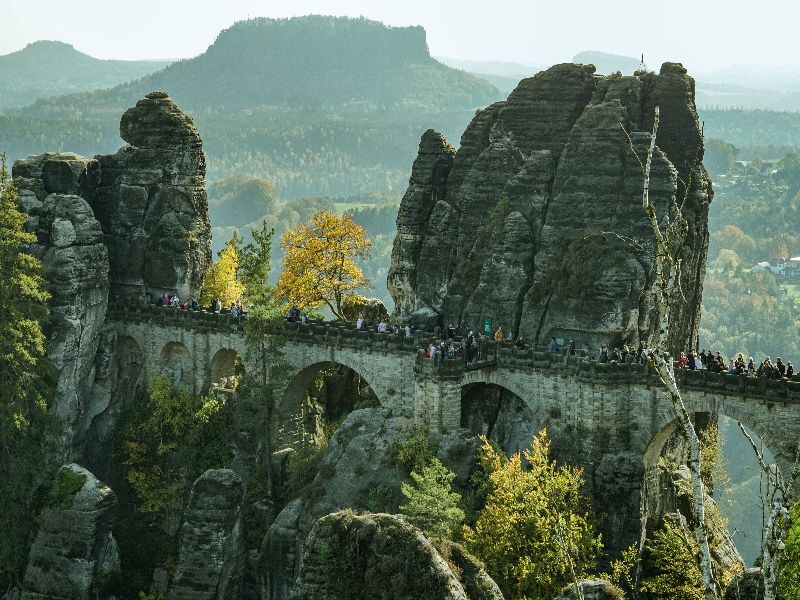
Saxon Switzerland
Despite the name, this dramatic landscape of sandstone cliffs and table mountains sits entirely in Germany, just outside Dresden. The Bastei Bridge views alone are worth the day trip. — Best for: hikers, rock climbers, day-trippers from Dresden
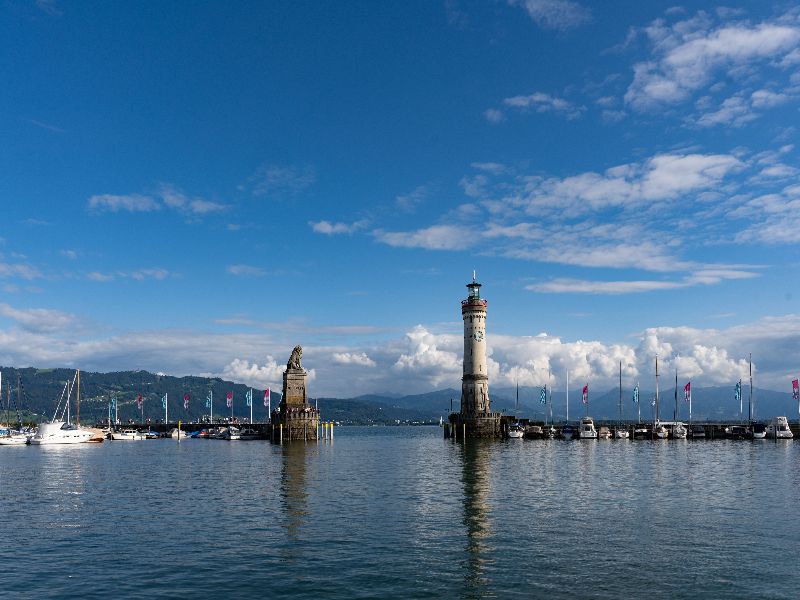
Lake Constance
Where Germany, Switzerland, and Austria meet around a vast alpine lake dotted with flower islands, vineyards, and medieval towns. Cycle the shoreline or take a ferry between three countries in a single afternoon. — Best for: cyclists, families, slow travelers
CATEGORY 03
Coast & Beaches

Sylt
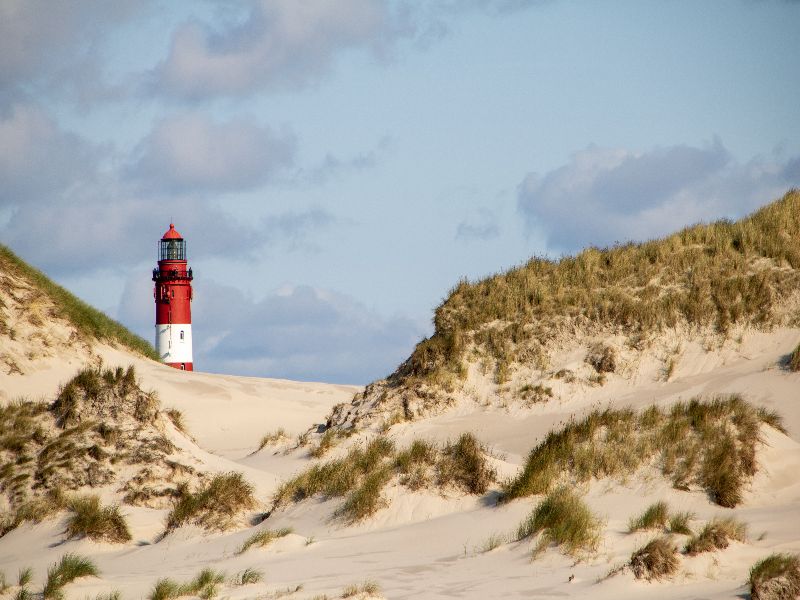
Germany's most exclusive island draws a glamorous crowd to its windswept dunes and thatched-roof villas. Long sandy beaches meet a laid-back, upscale energy — think Hamptons, but with better seafood. — Best for: beach lovers, luxury travelers, windsurfers
Rügen
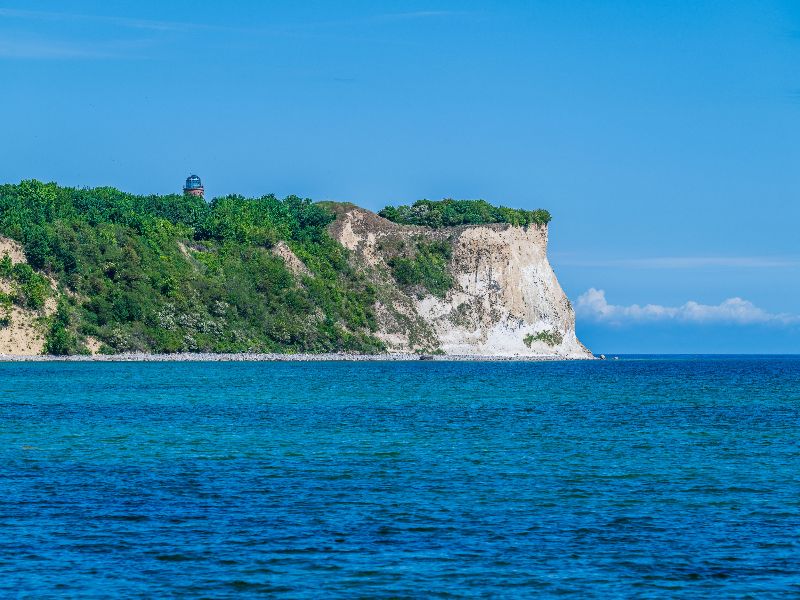
Germany's largest island is famous for its dramatic white chalk cliffs rising straight out of the Baltic Sea, immortalized by Romantic painter Caspar David Friedrich. Add pristine beech forests and elegant seaside resort towns. — Best for: hikers, photographers, nature lovers
Baltic Coast
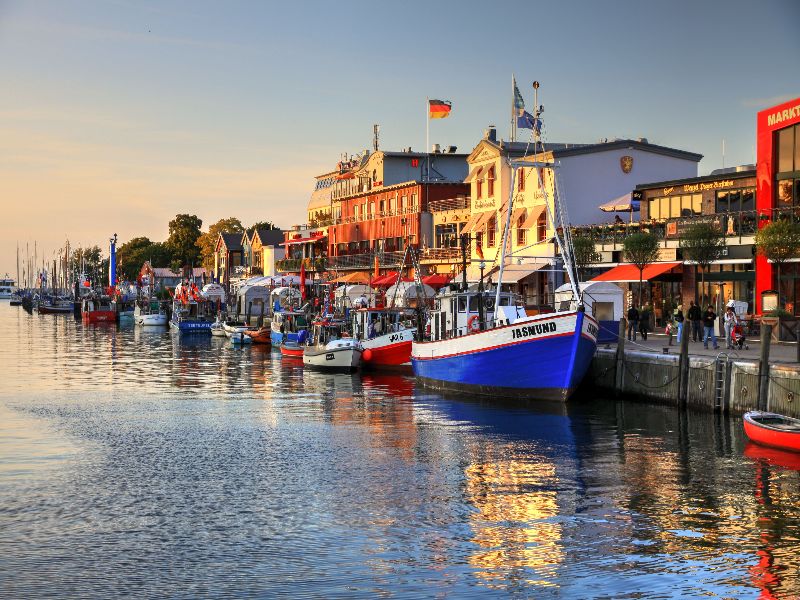
Fine white-sand beaches meet centuries-old Hanseatic port towns along Germany's northern edge. Warnemünde's colorful fisherman's cottages and Rostock's brick Gothic architecture make this a quieter alternative to the North Sea islands. — Best for: families, history buffs, budget beach trips
CATEGORY 04
Food & Wine

Oktoberfest
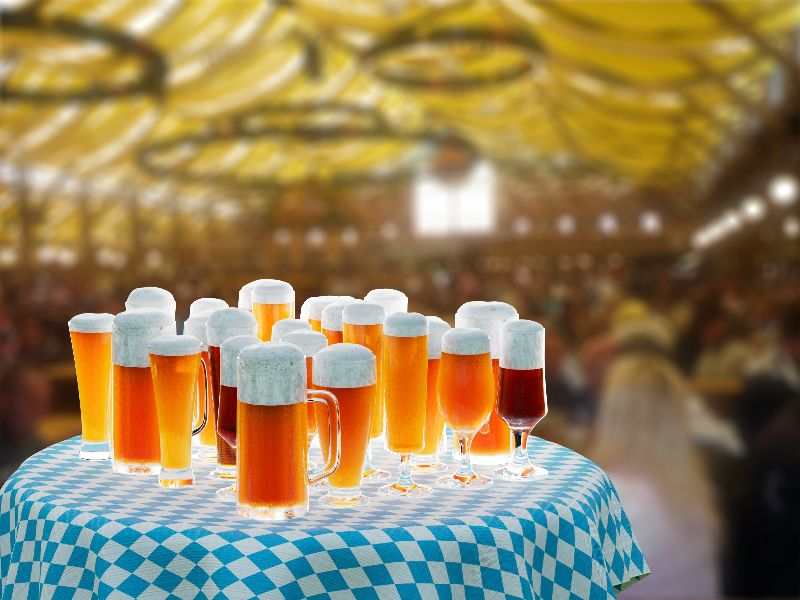
Beer isn't just a drink in Bavaria — it's a way of life, protected by a 500-year-old purity law and celebrated in beer gardens across the region. Skip Oktoberfest crowds and visit a local Biergarten any time of year for the same warm hospitality. — Best for: beer lovers, foodies, social travelers
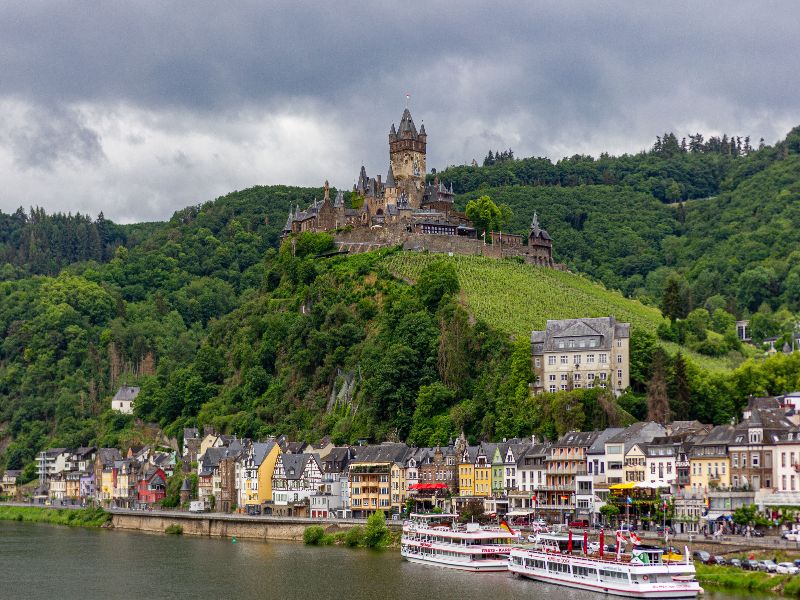
Rhine & Mosel Valley
Steep vineyard slopes tumble down to riverbanks along Germany's most celebrated wine region, producing some of the world's finest Riesling. Stop at a family-run winery, and you'll likely leave with more bottles than you planned. — Best for: wine lovers, road trippers, scenic drives
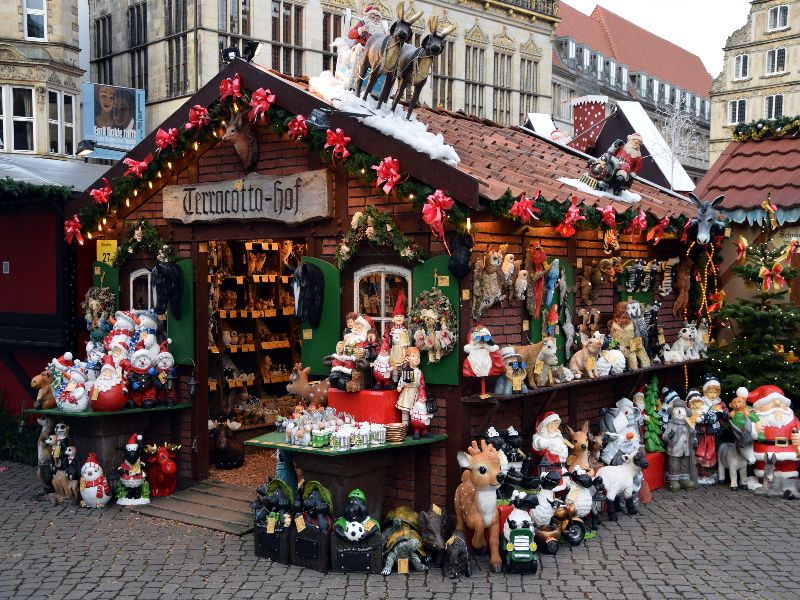
Nuremberg
Home to Germany's most famous Christmas market and the birthplace of the classic bratwurst, Nuremberg blends medieval charm with hearty Franconian cooking. Visit in December for the full magic, or any season for the sausages alone. — Best for: foodies, Christmas market lovers, history buffs
CATEGORY 05
Hidden Gems

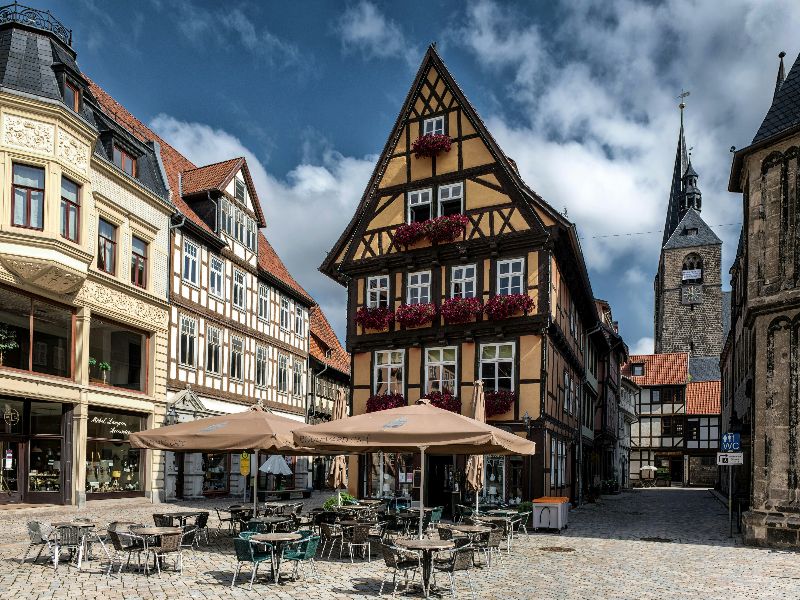
Quedlinburg
With over 1,300 half-timbered houses spanning six centuries, Quedlinburg is one of the best-preserved medieval towns in all of Europe — and remarkably few tourists have discovered it yet. Wander cobblestone streets that feel frozen in time. — Best for: architecture lovers, photographers, quiet getaways
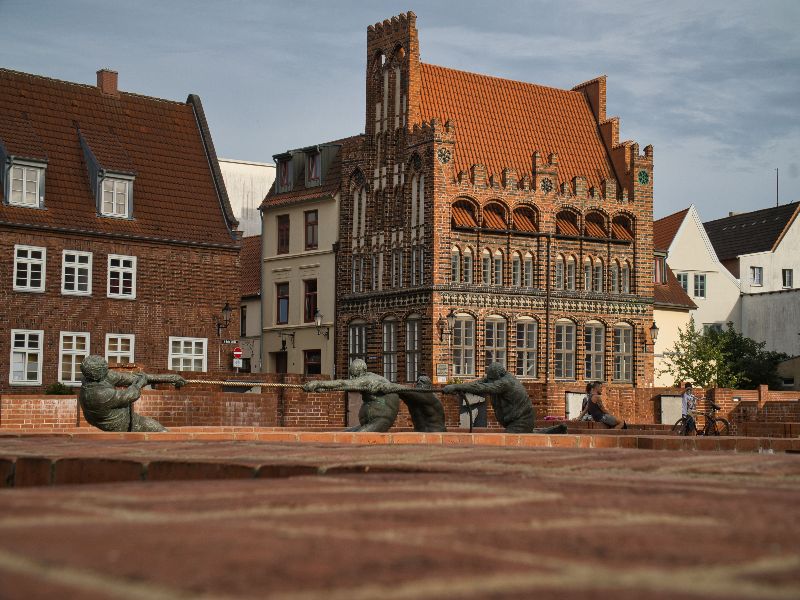
Wismar & Stralsund
Two UNESCO-listed Hanseatic port towns on the Baltic coast, packed with red-brick Gothic churches and merchant houses that recall Germany's medieval trading power. Far quieter than Hamburg, and just as photogenic. — Best for: history buffs, architecture lovers, off-the-beaten-path travelers
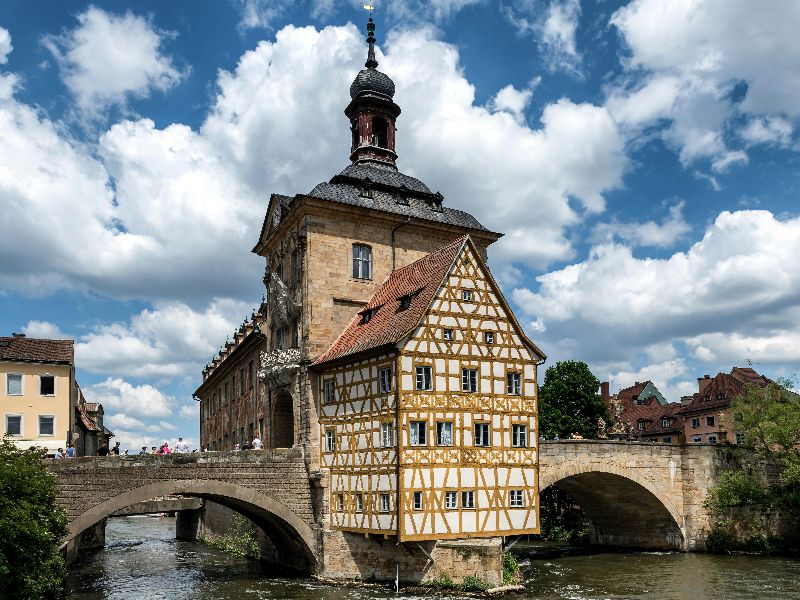
Bamberg
Spared from WWII bombing, Bamberg's entire old town is a UNESCO World Heritage Site, packed with half-timbered houses and a town hall improbably built on an island in the river. Don't leave without trying Rauchbier — the city's famous smoked beer. — Best for: history buffs, beer enthusiasts, architecture lovers
CATEGORY 06
Day Trips & Itineraries

Munich → Neuschwanstein Castle (Half day)
Germany's most famous fairy-tale castle sits just under two hours from Munich by train and bus. Book tickets in advance — this is one of the most visited castles in Europe, and same-day walk-ups often sell out
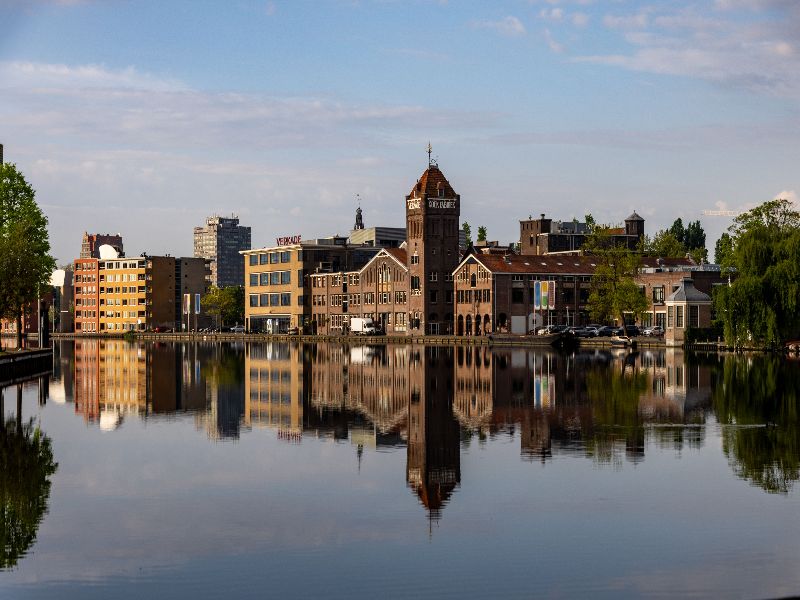
Berlin → Potsdam & Sanssouci Palace (Half day)
Prussian royalty built their most extravagant palaces just outside Berlin — Sanssouci's rococo gardens rival Versailles on a smaller, easier-to-visit scale. Regional trains connect the two cities in about 25 minutes.
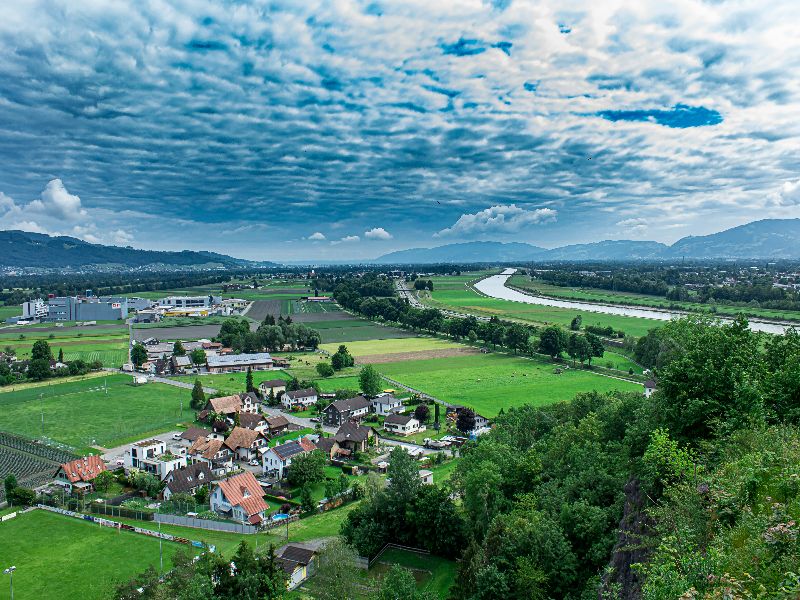
Frankfurt → Rhine Valley & Castles (Half day)
Storybook castles perch on hilltops above the Rhine's terraced vineyards, just an hour from Frankfurt by train. Hop off at Rüdesheim or Bacharach for wine tasting, or stay on the train for the full scenic route along the river
BEFORE YOU GO
Practical Information
Visa & Entry
For EU/Schengen citizens: No visa needed, valid ID or passport sufficient.
For visa-exempt non-EU travelers (US, Canada, Australia, UK, etc.): You can currently enter Germany visa-free for stays up to 90 days within any 180-day period. Starting in late 2026, ETIAS (a quick online pre-registration, similar to the US ESTA) will become mandatory — check current status at etias.com before booking.
For travelers requiring a visa: You’ll need a Schengen short-stay visa (Type C), applied for through the German consulate or visa center in your country, typically 15–60 days before travel.
Passport validity rule: Your passport must be valid for at least 6 months beyond your planned departure from the Schengen Area.
This information is provided as general guidance only and does not constitute legal or immigration advice — always verify current entry requirements with official sources before traveling.
Safety
Item 2 — Safety
“Germany is one of the safest countries in Europe for travelers, with very low rates of violent crime. The main concerns for visitors are pickpocketing in crowded areas — particularly on public transport in Berlin, at major train stations, and around popular Christmas markets during winter. Keep bags zipped and valuables close in crowds. Germans take rule-following seriously: jaywalking is frowned upon (and sometimes fined), and cyclists have their own lanes that pedestrians should avoid blocking. Emergency services are highly reliable and English is widely understood in medical and police contexts.
Etiquette & Culture
Germans value punctuality, directness, and personal space. Being even a few minutes late is considered disrespectful — always aim to arrive on time, or message ahead if you’re running behind. Direct communication is the norm here, not rudeness — Germans tend to say exactly what they mean without excessive small talk. Jaywalking, even on empty streets, is frowned upon, especially in front of children. In restaurants, it’s customary to say ‘Guten Appetit’ before eating, and the bill isn’t split automatically — mention ‘getrennt, bitte’ if you want separate checks. Tipping around 5-10% is expected for good service, usually rounded up rather than calculated precisely
Health
Germany has world-class healthcare, and EU citizens with a valid European Health Insurance Card (EHIC) or UK Global Health Insurance Card (GHIC) can access public healthcare at reduced or no cost. Non-EU visitors should carry comprehensive travel insurance, as medical costs must otherwise be paid upfront and can be significant. Tap water is safe to drink throughout the country. Pharmacies (Apotheke, marked with a red ‘A’ symbol) are widely available and pharmacists can advise on minor ailments without a doctor’s visit. In an emergency, dial 112 for police, ambulance, or fire services.
Useful Phrases
Hello — Hallo (informal) / Guten Tag (formal)
Thank you — Danke
Please — Bitte
Excuse me — Entschuldigung
Yes / No — Ja / Nein
Do you speak English? — Sprechen Sie Englisch?
How much does it cost? — Wie viel kostet das?
The check, please — Die Rechnung, bitte
Where is…? — Wo ist…?
Cheers! — Prost!
Ready to plan your Germany trip?
Let us build a custom itinerary, or browse our ready-made packages.