Europe’s tiny financial powerhouse, where medieval fortresses overlook glass-and-steel skylines.

Luxembourg

Luxembourg is proof that size has nothing to do with substance — one of Europe’s smallest countries packs in medieval fortresses, dramatic river gorges, and a capital city built dramatically into cliffside ravines. A founding EU member and one of the wealthiest nations on Earth, it blends old-world charm with genuine modern sophistication. Whether you’re chasing castles, hiking trails, or free public transport (yes, the whole country), this is where your European story can begin.

CURRENCY

Euro (€)

BEST TIME TO VISIT

Apr–Jun, Sep–Oct

GETTING THERE

Luxembourg City

GETTING AROUND

Free public transport nationwide

MUST-SEE

Top 5 Destinations in Germany

01

luxembourg city

Luxembourg City

One of Europe’s most dramatically situated capitals fills a fortified canyon carved by two rivers, its UNESCO-listed Old Town laced with bastion walls and castle remnants. Stand on the Pont Adolphe bridge for the classic postcard view over the Pétrusse Valley below.

02

vianden castle.

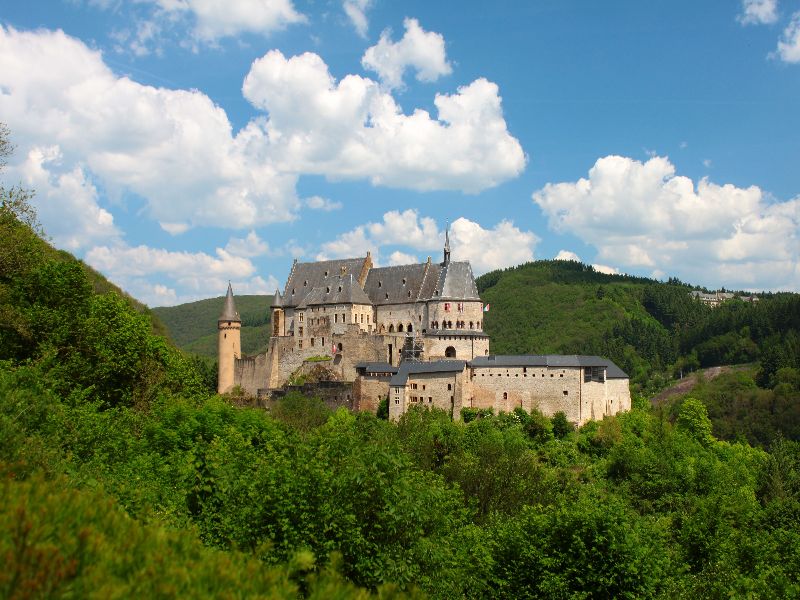
Vianden Castle

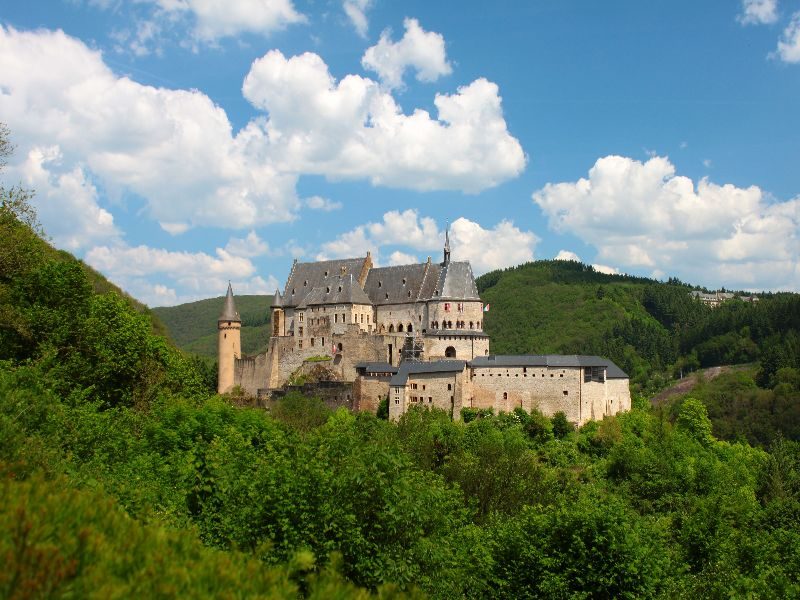
One of Europe’s best-preserved medieval fortresses crowns a hilltop above the fairy-tale town of Vianden, with roots stretching back to a Roman-era stronghold. Ride the scenic chairlift up for panoramic views, then wander cobbled streets below once home to exiled writer Victor Hugo.

03

echternach (1)

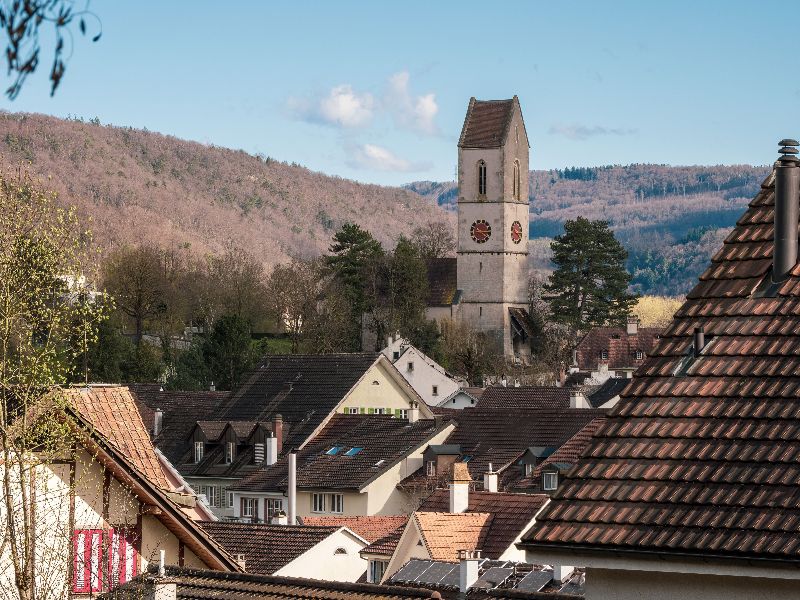
Echternach

Luxembourg’s oldest town centers on a Gothic basilica founded in 698 CE, its history visible in every corner from Roman ruins to a still-active medieval abbey. Every June, locals perform the UNESCO-listed Dancing Procession, hopping to polka music through the historic streets.

04

mullerthal

Mullerthal

Nicknamed ‘Little Switzerland’ despite the total absence of mountains, this region hides dramatic sandstone rock formations, mossy caves, and waterfalls along more than 112km of marked trails. Hohllay Cave, carved by centuries of millstone quarrying, has acoustics good enough for concerts.

05

moselle wine valley

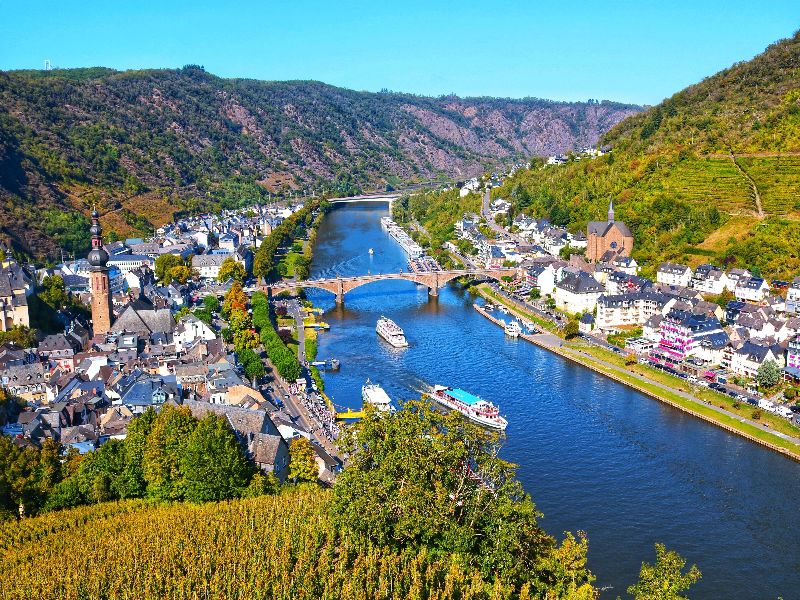
Moselle Wine Valley

Luxembourg’s wine country traces the Moselle River along a gentle, sun-warmed valley, producing crisp sparkling wines and rare Pinot Blancs found almost nowhere else. Visit family-run cellars in Remich or Grevenmacher, then cycle the riverside path between vineyard towns.

CATEGORY 01

Cities & Culture

clervaux

Clervaux

This small castle town in northern Luxembourg houses 'The Family of Man,' a landmark 1955 photography exhibition now protected as UNESCO Memory of the World. The castle itself, rebuilt after WWII's Battle of the Bulge, anchors a peaceful valley setting near the Belgian border. — Best for: photography enthusiasts, history buffs, quiet getaways
dudelange

Dudelange

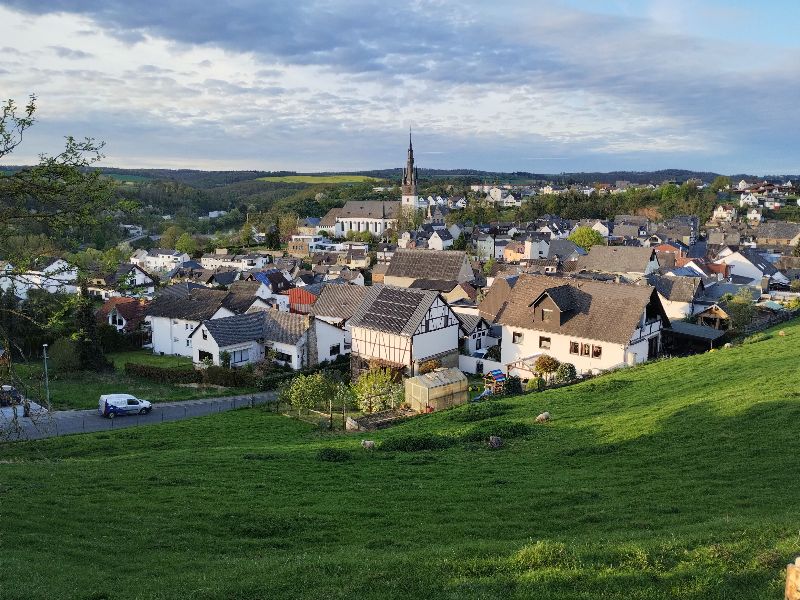
Once a booming steel town, Dudelange reinvented its industrial past into a thriving cultural hub, with former factory buildings now housing galleries, theaters, and one of Luxembourg's best photography museums. A compelling look at how the country balances heritage with reinvention. — Best for: art lovers, industrial heritage fans, off-the-beaten-path travelers
esch sur alzette

Esch-sur-Alzette

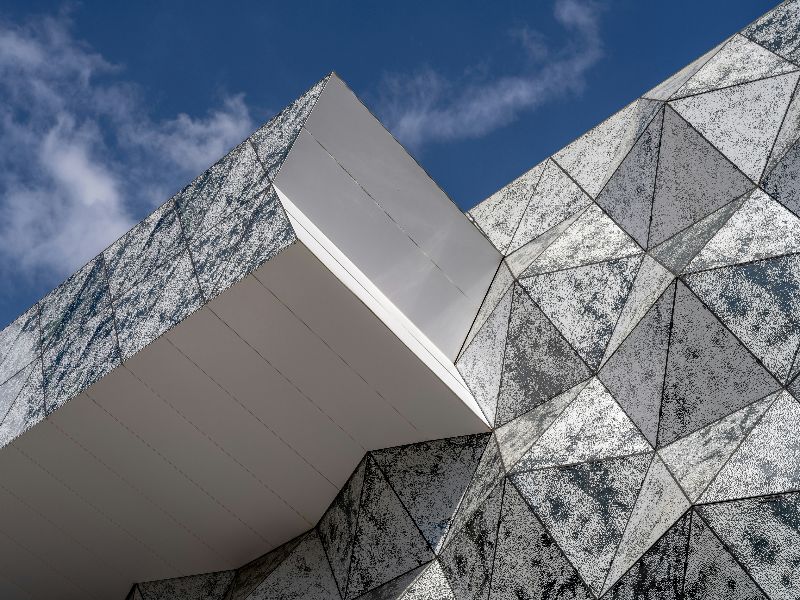
Luxembourg's second-largest city earned European Capital of Culture status in 2022, transforming former mining land into cultural venues and green spaces almost overnight. A youthful, multicultural energy sets it apart from the more formal capital just 20 minutes away. — Best for: culture seekers, students at heart, urban explorers
CATEGORY 02

Nature & Landscapes

upper sûre natural park

Upper Sûre Natural Park

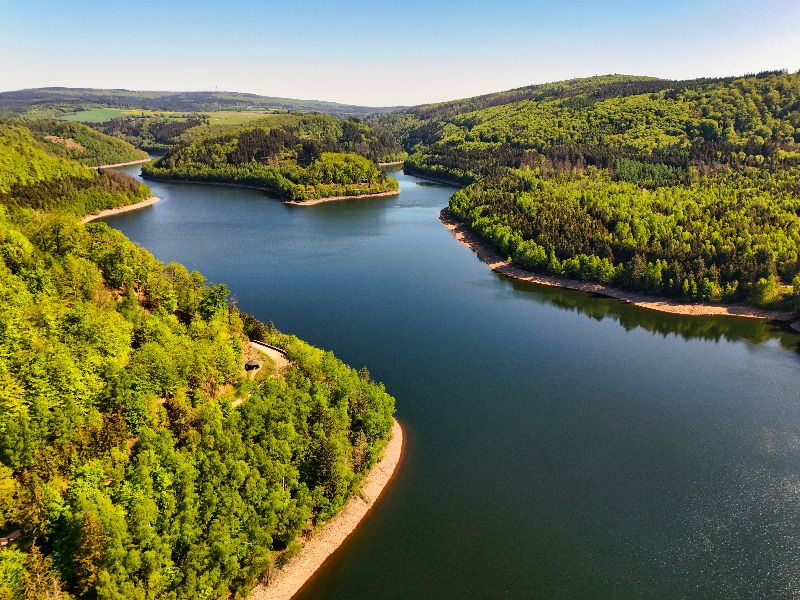
Luxembourg's largest lake sits at the heart of this protected nature park, ringed by dense forest and dotted with small beaches for summer swimming. Kayak, sail, or simply hike the shoreline trails through some of the country's most peaceful scenery. — Best for: water sports fans, hikers, families
our valley

Our Valley

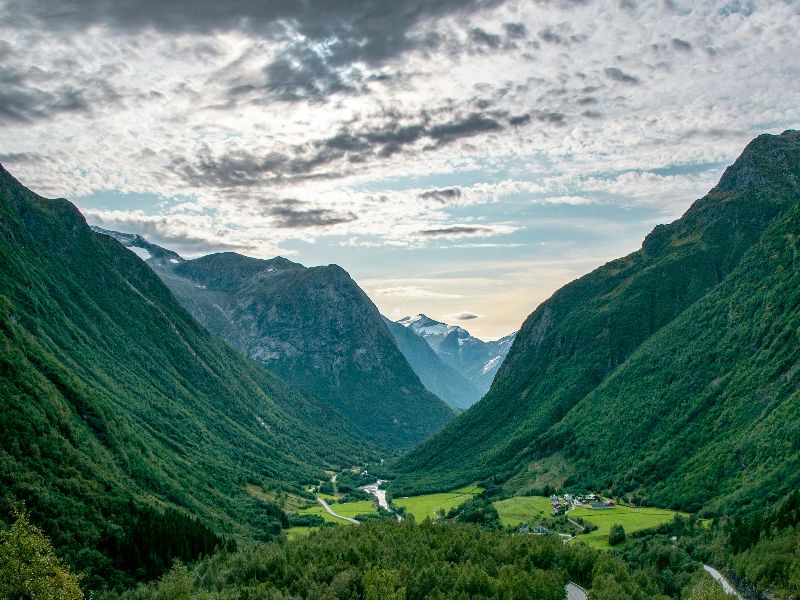
This remote northern valley traces the winding Our River along Luxembourg's border with Germany, its steep forested slopes hiding small villages that see remarkably few visitors. Hiking trails here connect quietly to Vianden, rewarding those willing to venture off the main tourist route. — Best for: hikers, off-the-beaten-path travelers, quiet nature
Éislek region

Éislek Region

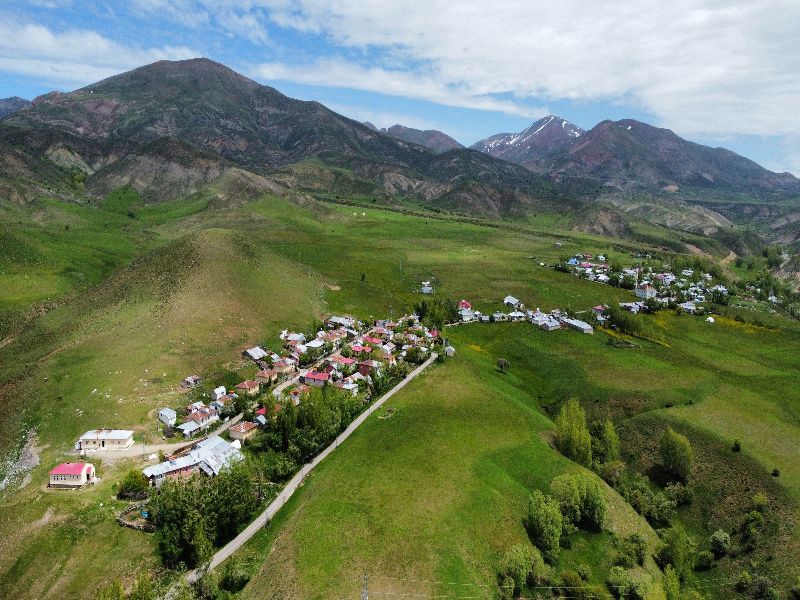
Nicknamed Luxembourg's 'Little Ardennes,' this hilly northern region delivers rolling forested terrain and an extensive network of mountain biking and hiking trails largely undiscovered by tourists. A refreshing, rugged contrast to the country's polished capital. — Best for: mountain bikers, hikers, nature lovers seeking solitude
CATEGORY 03

Food & Wine

luxembourg wine

Luxembourg Wine

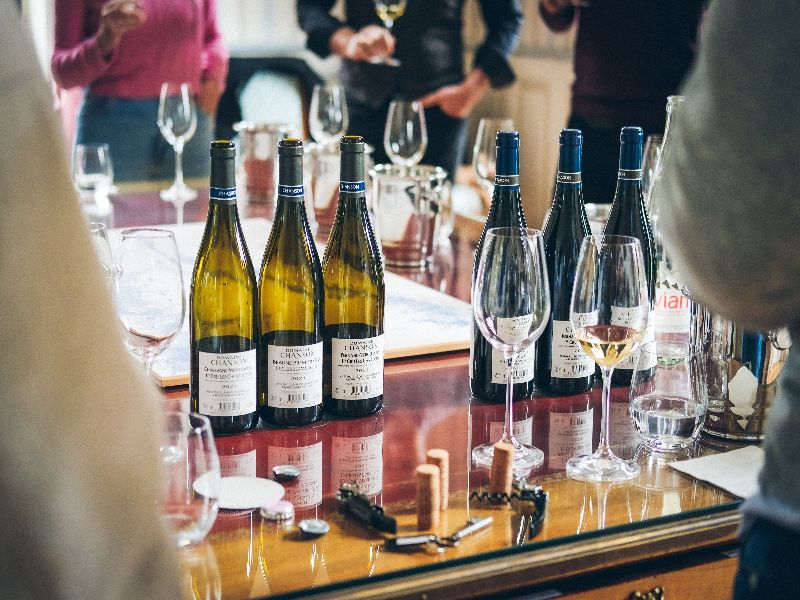
Beyond the Moselle Valley's crisp Rieslings, Luxembourg produces exceptional Crémant — a méthode traditionnelle sparkling wine that rivals Champagne at a fraction of the price. Family-run cellars along the river welcome visitors for tastings most people never think to seek out. — Best for: wine lovers, sparkling wine fans, hidden gems
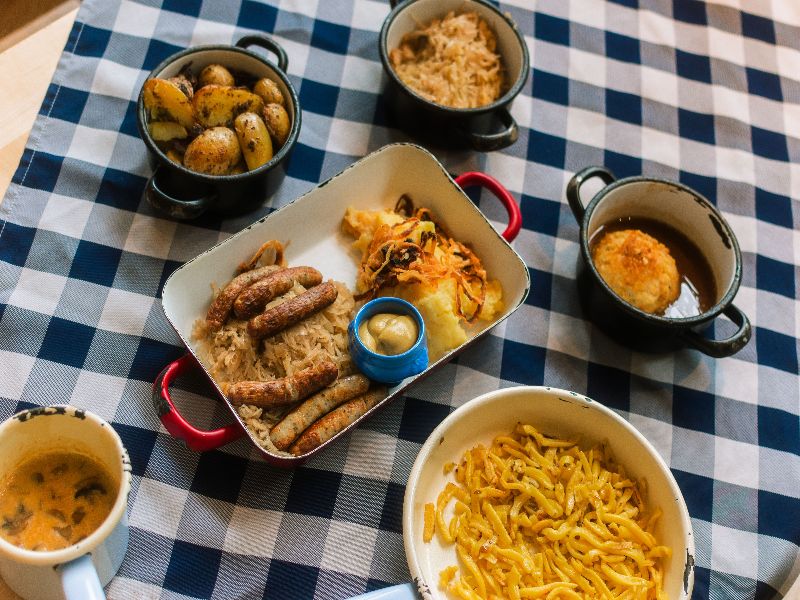
judd mat gaardebounen

Traditional Cuisine

Luxembourgish food blends French refinement with hearty German portions — Judd mat Gaardebounen (smoked pork collar with broad beans) is the national dish, while Bouneschlupp (green bean soup) offers comforting everyday fare. A cuisine shaped by centuries sitting between two culinary giants. — Best for: foodies, comfort food lovers, cultural travelers
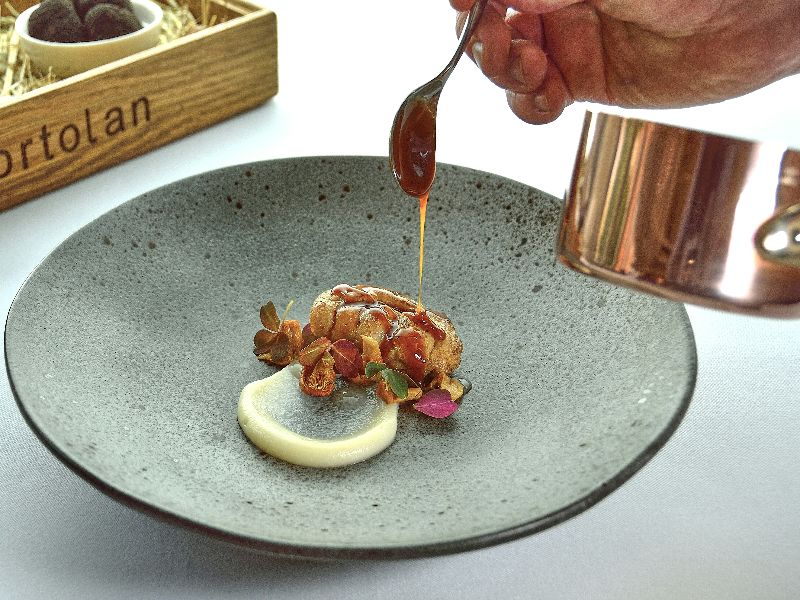
michelin

Michelin-Starred Dining

Per capita, Luxembourg has one of the highest concentrations of Michelin stars anywhere on Earth, punching far above its tiny size. From refined French tasting menus to inventive modern reinterpretations of local dishes, the country's dining scene rivals cities many times its size. — Best for: fine dining enthusiasts, special occasions, foodies
CATEGORY 04

Hidden Gems

berdorf

Berdorf

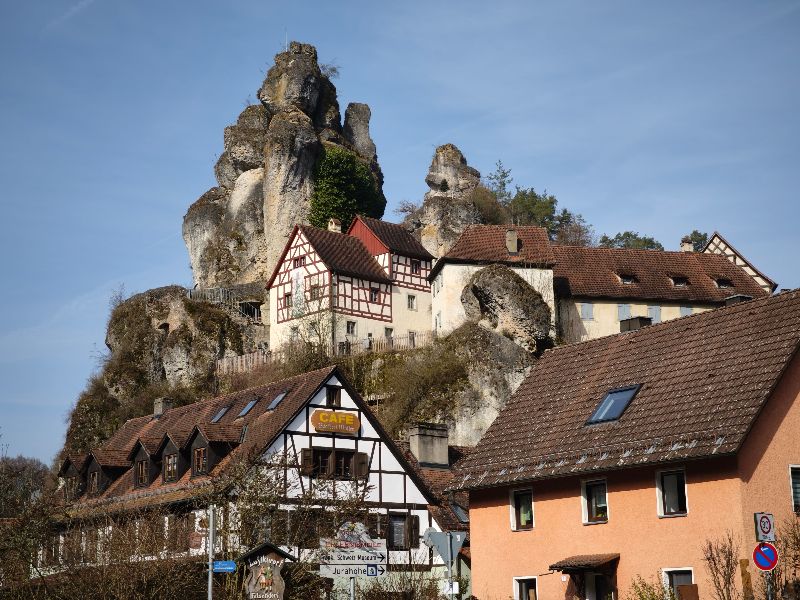
This small village serves as the unofficial gateway to the Mullerthal Trail, its sandstone cliffs drawing rock climbers from across the region. A quiet base for hikers, with far fewer visitors than the more famous stops nearby. — Best for: rock climbers, hikers, quiet basecamp stays
wiltz

Wiltz

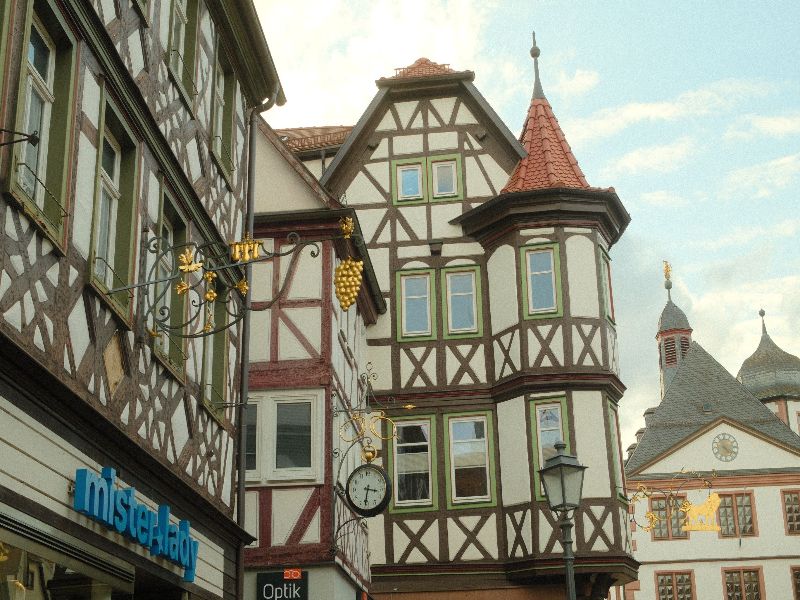
This northern town hosts one of Luxembourg's biggest cultural events each summer — an open-air musical theater festival held in the courtyard of its hilltop castle. History runs deeper too: a museum here tells the story of the WWII Battle of the Bulge, fought partly on these streets. — Best for: theater lovers, history buffs, summer festival travelers
larochette castle

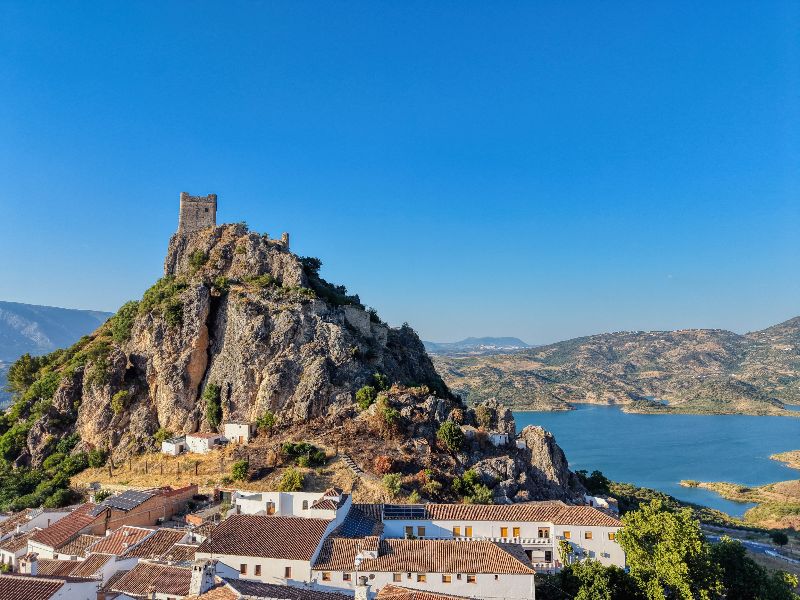
Larochette

Dramatic castle ruins tower over this small valley town, their weathered stone walls dating back to the 11th century. The compact old town below makes for an easy, unhurried wander, with far fewer crowds than Vianden's more famous fortress. — Best for: castle enthusiasts, photographers, quiet day trips
CATEGORY 05

Day Trips & Itineraries

vianden castle.

Luxembourg City → Vianden Castle (Half day)

One of Europe's most impressive medieval fortresses sits just 40 minutes north of the capital by bus. Ride the scenic chairlift for panoramic valley views, then explore the castle's restored halls and towers
echternach (1)

Luxembourg → Echternach & Mullerthal (Half day)

Luxembourg's oldest town pairs easily with a short hike into the nearby Mullerthal rock formations, both about 30 minutes from the capital. Explore the Gothic basilica, then follow marked trails past sandstone cliffs and mossy caves.
moselle

Luxembourg City → Moselle Wine Valley (Half day)

The scenic wine route along the Moselle River is just 30 minutes from the capital by car or bus. Stop in Remich or Grevenmacher for a cellar tasting, then stroll the riverside promenade between vineyard-covered hills.

BEFORE YOU GO

Practical Information

Visa & Entry

For EU/Schengen citizens: No visa needed, valid ID or passport sufficient.

For visa-exempt non-EU travelers (US, Canada, Australia, UK, etc.): You can currently enter Luxembourg visa-free for stays up to 90 days within any 180-day period. Starting in late 2026, ETIAS (a quick online pre-registration, similar to the US ESTA) will become mandatory — check current status at etias.com before booking.

For travelers requiring a visa: You’ll need a Schengen short-stay visa (Type C), applied for through the Luxembourg consulate or visa center in your country, typically 15–60 days before travel.

Passport validity rule: Your passport must be valid for at least 6 months beyond your planned departure from the Schengen Area.

This information is provided as general guidance only and does not constitute legal or immigration advice — always verify current entry requirements with official sources before traveling.

Luxembourg is one of the safest countries in Europe, with very low crime rates overall. Petty theft is rare but not unheard of in Luxembourg City’s busier pedestrian areas and around the train station. Standard city precautions apply — keep valuables secure and be aware of surroundings in crowds, especially during evening hours near nightlife areas. Hikers exploring Mullerthal’s rock formations should wear proper footwear, as trails can be slippery after rain.

Luxembourg is officially trilingual — Luxembourgish, French, and German are all national languages, with French commonly used for official signage and German for media. English is widely spoken, especially in the capital’s international business community. Greetings often involve a handshake or, among friends, a cheek kiss. Punctuality is valued, similar to neighboring Germany and Switzerland. And don’t forget — Luxembourg became the world’s first country with completely free public transportation in 2020, covering trains, trams, and buses nationwide, making it remarkably easy (and free) to get around.

Luxembourg has excellent healthcare, and EU citizens with a valid European Health Insurance Card (EHIC) or UK Global Health Insurance Card (GHIC) can access public healthcare at reduced or no cost. Non-EU visitors should carry comprehensive travel insurance, as medical costs must otherwise be paid upfront. Tap water is safe to drink throughout the country. Pharmacies (pharmacie/Apdikt) are widely available and pharmacists can advise on minor ailments without a doctor’s visit. In an emergency, dial 112 for police, ambulance, or fire services.

Dat fiind trilingvismul, propun în French (limba oficială cel mai des folosită pe semnalizare și în context formal):

“Hello — Bonjour
Thank you — Merci
Please — S’il vous plaît
Excuse me — Excusez-moi
Yes / No — Oui / Non
Do you speak English? — Parlez-vous anglais?
How much does it cost? — Combien ça coûte?
The check, please — L’addition, s’il vous plaît
Where is…? — Où est…?
Cheers! — Santé!

Ready to plan your Luxembourg trip?

Let us build a custom itinerary, or browse our ready-made packages.

cropped trips2europe favicon.png.png
Privacy Overview

This website uses cookies so that we can provide you with the best user experience possible. Cookie information is stored in your browser and performs functions such as recognising you when you return to our website and helping our team to understand which sections of the website you find most interesting and useful.