Where pastel-tiled cities meet Atlantic cliffs, and every meal comes with a glass of vinho verde.
Portugal
Portugal has quietly become one of Europe’s most beloved destinations, and it’s easy to see why — hillside cities covered in hand-painted tiles, some of the continent’s best surf beaches, and a food scene built around fresh seafood and even fresher pastries. From Lisbon’s steep, tram-lined streets to Porto’s wine cellars along the Douro, from the Algarve’s dramatic cliffs to the volcanic beauty of the Azores, this is a country that rewards unhurried exploration. Whether you’re chasing custard tarts, ocean waves, or centuries of maritime history, this is where your European story can begin.
CURRENCY
Euro (€)
BEST TIME TO VISIT
Apr–Jun, Sep–Oct
GETTING THERE
Lisbon, Porto, Faro
GETTING AROUND
CP rail network & long-distance buses
Unforgettable experiences.
Portugal at a Glance
How does this destination fit your travel style?
Portugal combines historic cities, maritime heritage, traditional architecture and distinctive regional culture.
✅ Portugal's historic centres, monasteries and cultural landmarks reflect a distinctive maritime heritage.
⚠️ Popular landmarks in Lisbon, Porto and Sintra can be crowded, especially in peak season.
Lisbon and Porto offer distinct city-break experiences, with historic streets, viewpoints, museums and lively food scenes.
✅ Rail and bus links connect Portugal's main cities, making multi-city trips practical without domestic flights.
⚠️ Lisbon and Porto can be busy; include regional towns or coastal destinations for a broader view of the country.
Portuguese cuisine ranges from seafood and regional dishes to pastries and a strong wine tradition.
✅ Regional restaurants, seafood, traditional dishes and bakeries offer memorable food experiences throughout Portugal.
⚠️ Restaurants in central tourist areas can be more expensive; local neighbourhoods often offer better value.
Portugal offers beaches, aquariums, castles, boat trips and family-friendly resorts.
✅ Coastal destinations and many attractions suit a range of ages, making Portugal a practical choice for family trips.
⚠️ Steep streets, steps and uneven pavements in historic centres can complicate travel with strollers.
Atlantic beaches, dramatic cliffs, national parks, vineyards and Madeira and the Azores offer varied outdoor experiences.
✅ Hiking, surfing, coastal walks and nature excursions are widely available across mainland Portugal and its islands.
⚠️ Atlantic water can be cold and surf conditions can be dangerous; some rural areas are easier to explore by car.
Rail and bus services connect major Portuguese cities, while urban transport works well in Lisbon and Porto.
✅ Main intercity routes make many popular destinations accessible without a car.
⚠️ Smaller towns, beaches and rural areas can be easier to reach by car; check timetables in advance.
Portugal is generally considered a comfortable destination for visitors, with ordinary precautions recommended in busy tourist areas.
✅ Most visits are trouble-free when ordinary precautions are followed.
⚠️ Pickpocketing can occur in crowded tourist areas and on public transport. Take care near exposed coastal cliffs and strong waves.
Portugal can offer good value for food, accommodation and experiences compared with many Western European destinations.
✅ Local cafés, public transport and destinations outside the busiest areas can help control costs.
⚠️ Accommodation in Lisbon, Porto and the Algarve can be expensive in high season.
Top 5 Destinations in Portugal
01
Lisbon
Portugal’s hillside capital unfolds across seven hills overlooking the Tagus River, its layered Moorish, maritime, and modernist history visible on every cobblestoned street. Ride the famous Tram 28 through Alfama’s narrow lanes, then watch the sunset from one of the city’s countless miradouros.
02
Porto
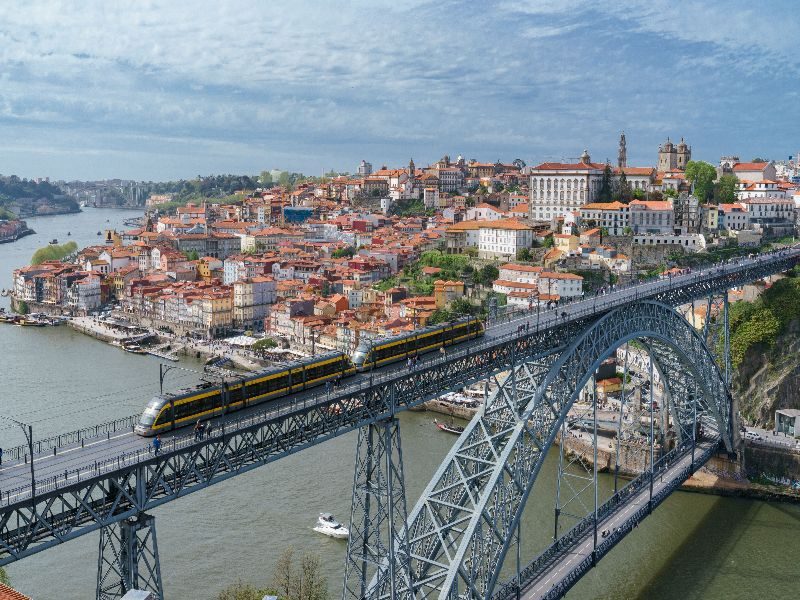
Portugal’s second city built its reputation on port wine, aged in centuries-old cellars just across the Douro River in Vila Nova de Gaia. The colorful Ribeira waterfront, crowned by the iconic double-decker Dom Luís I Bridge, ranks among Europe’s most photogenic riverside views.
03
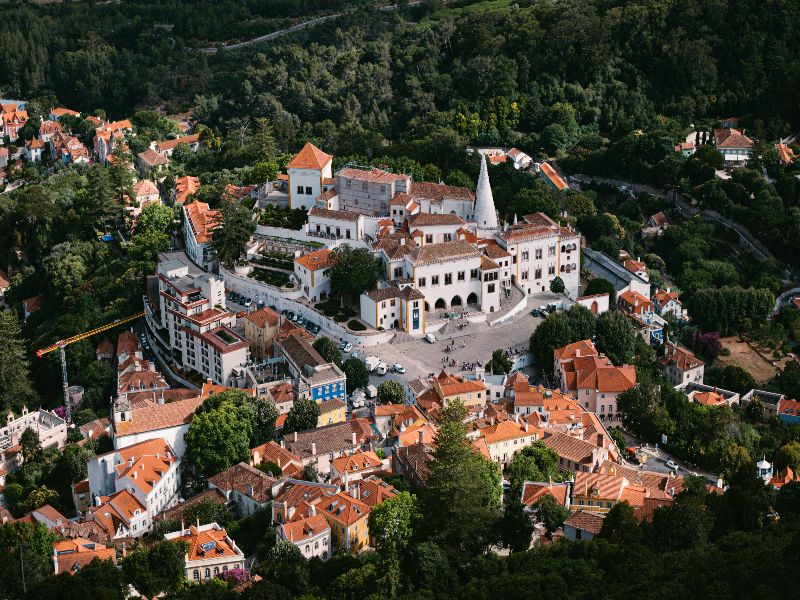
Sintra
Fairy-tale palaces in impossible colors dot these forested hills just outside Lisbon, once the summer retreat of Portuguese royalty. The candy-colored Pena Palace alone justifies the trip, but mysterious Quinta da Regaleira and its underground initiation well make Sintra genuinely unforgettable.
04
Algarve
Portugal’s southern coastline delivers some of Europe’s most dramatic beaches, framed by golden limestone cliffs and hidden sea caves like the famous Benagil. Kayak or boat tour to reach the most spectacular coves, then linger for a seafood lunch overlooking the Atlantic.
05
Douro Valley
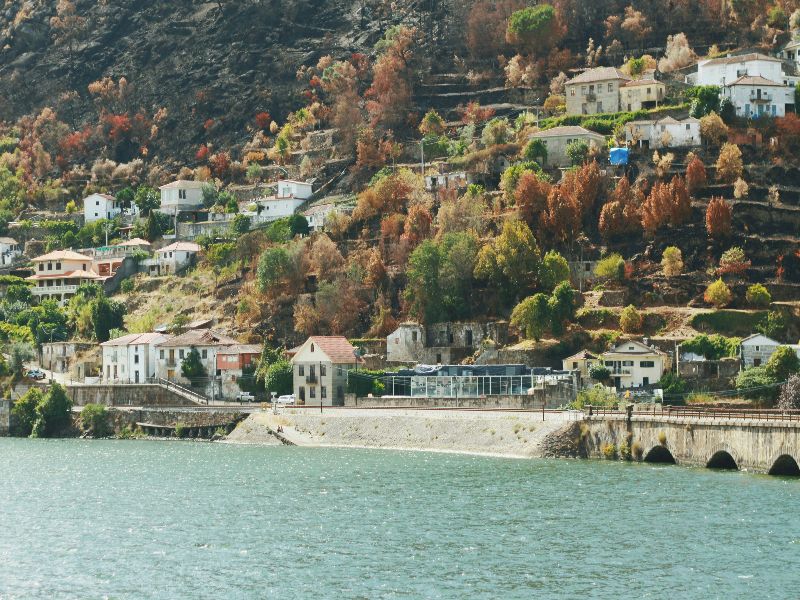
Terraced vineyards cascade down steep hillsides along the Douro River, producing the grapes behind Portugal’s famous port wine. Cruise the river by boat, ride the historic train from Porto, or simply sip a glass at a family-run quinta overlooking one of Europe’s most beautiful wine regions.
CATEGORY 01
Cities & Culture

Coimbra
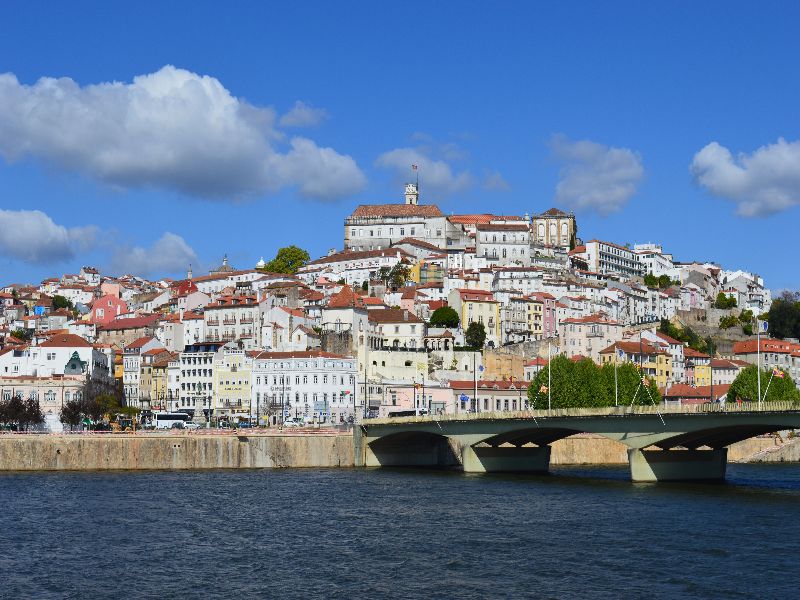
Portugal's oldest university has shaped this hillside city for over 700 years, its Baroque Joanina Library considered one of the most beautiful in the world. Students still wear traditional black capes here, and the melancholic sound of Fado music drifts from bars near the river most evenings. — Best for: history buffs, students at heart, architecture lovers
Évora
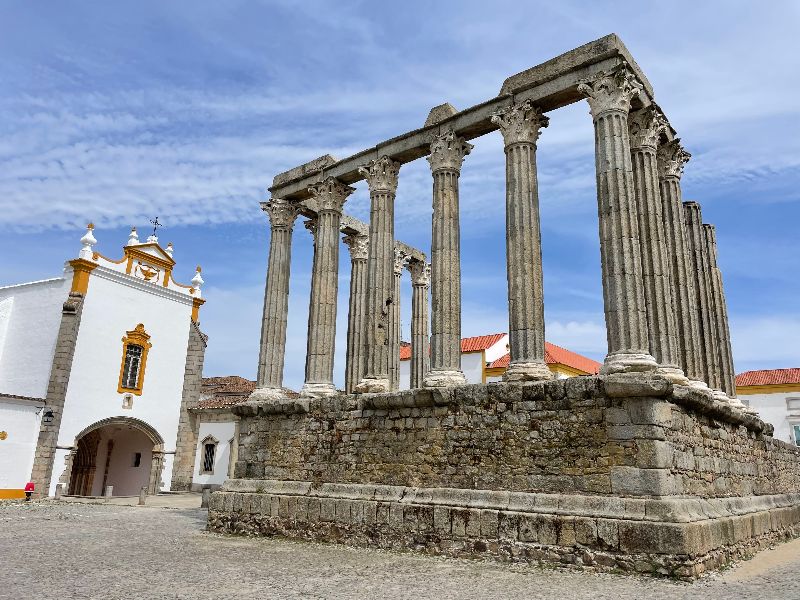
This UNESCO-listed Alentejo city packs a Roman temple, a medieval cathedral, and the eerily fascinating Chapel of Bones — its walls lined entirely with human skulls — into one compact, walkable center. A slower, less-visited counterpoint to Portugal's coastal cities. — Best for: history buffs, off-the-beaten-path travelers, architecture lovers
Braga
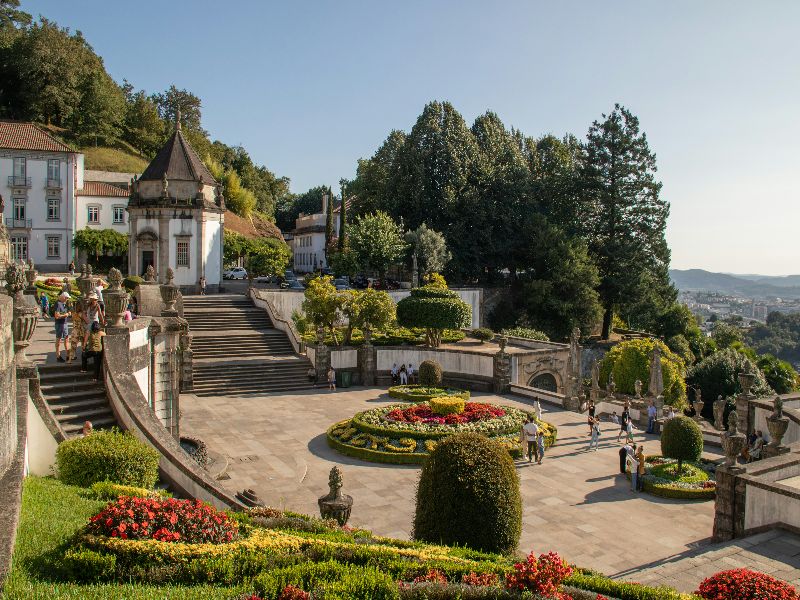
Portugal's oldest city and religious capital is packed with ornate Baroque churches, none more striking than the Bom Jesus do Monte sanctuary, reached by a dramatic zigzagging staircase. A lively student population keeps the historic center feeling young despite its ancient roots. — Best for: history buffs, architecture lovers, day-trippers from Porto
CATEGORY 02
Nature & Landscapes

Peneda-Gerês
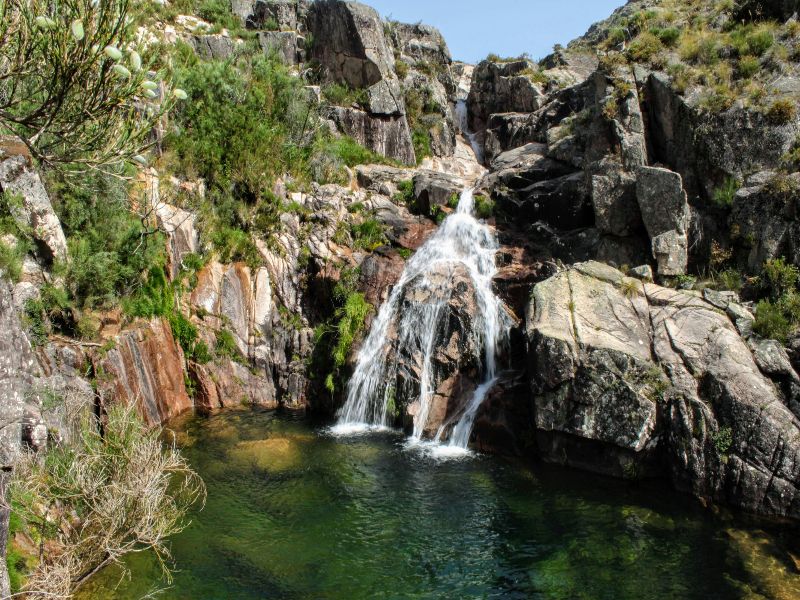
Portugal's only national park protects ancient forests, cascading waterfalls, and free-roaming wild ponies across 270 square miles of wilderness in the north. Hike to glassy mountain lagoons, or explore stone granaries in historic villages like Soajo along the well-preserved Roman road. — Best for: hikers, wildlife watchers, nature photographers
Madeira
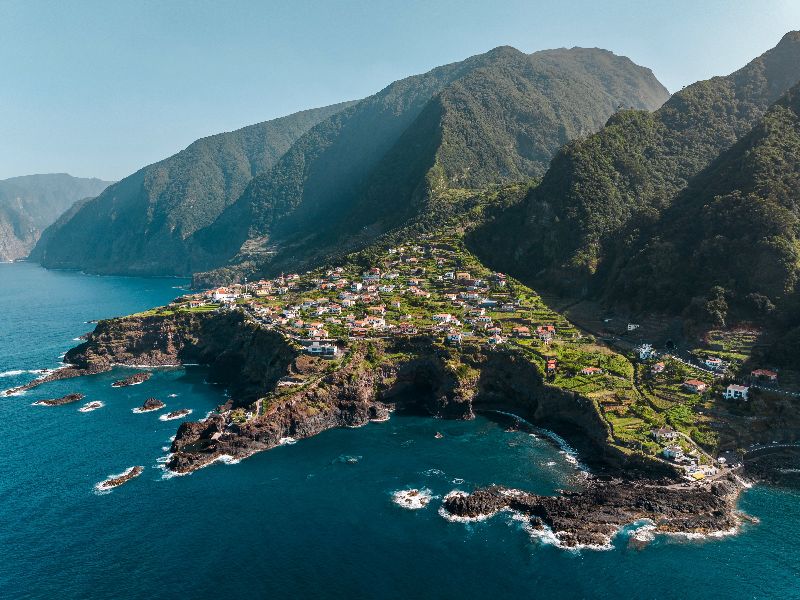
This volcanic island floating in the Atlantic delivers dramatic cliffs, lush subtropical gardens, and hundreds of miles of levada trails — historic irrigation channels turned scenic walking paths. Funchal's harbor views and year-round mild climate make it a favorite for hikers escaping mainland winters. — Best for: hikers, garden lovers, year-round travelers
Azores
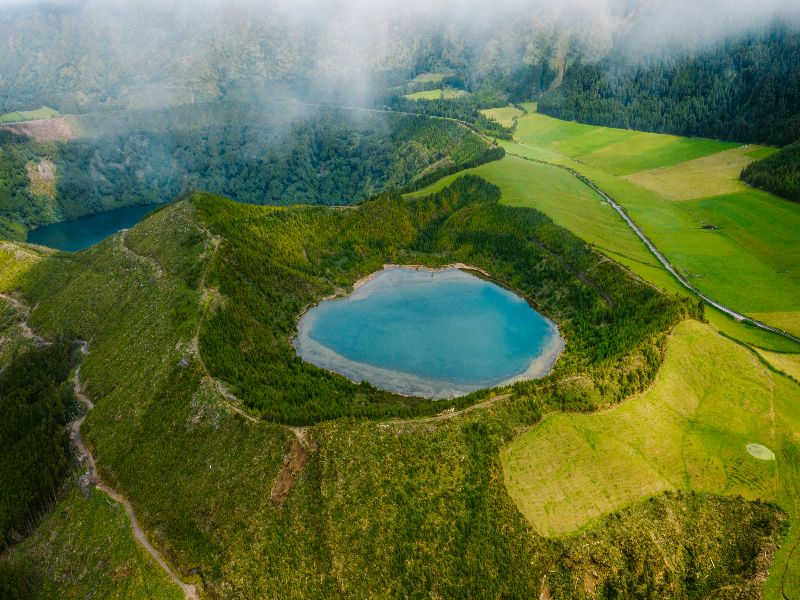
Nine volcanic islands scattered across the mid-Atlantic hide crater lakes, hot springs, and hydrangea-lined roads found nowhere else in Europe. Sete Cidades' twin blue-and-green lakes rank among the continent's most surreal natural sights, best viewed from the crater rim above. — Best for: nature lovers, hikers, unique landscapes
CATEGORY 03
Coast & Beaches

Nazaré
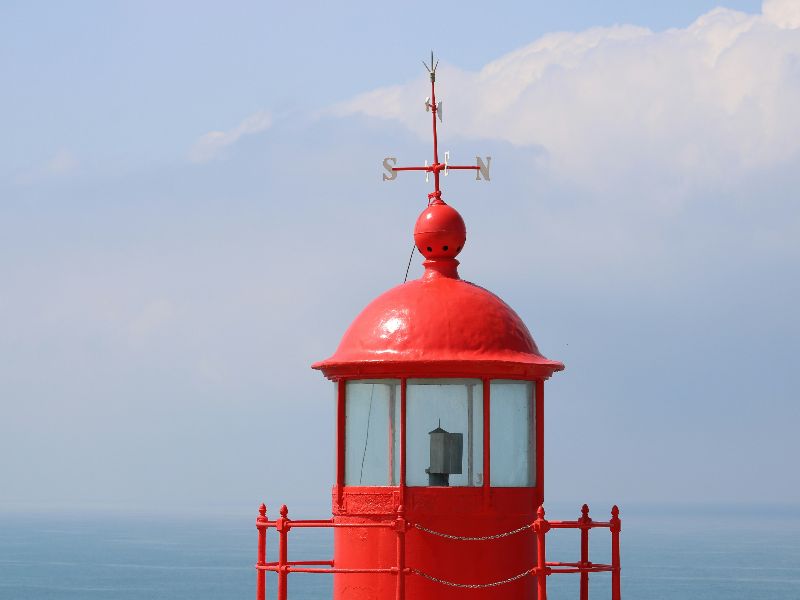
This fishing town holds the world record for the largest wave ever surfed, thanks to an underwater canyon that funnels Atlantic swells into towering, house-sized walls of water. Watch professional surfers take on the giants from the clifftop lighthouse, then relax on the calmer town beach below. — Best for: surfers, thrill-seekers, dramatic photography

Costa Vicentina
Portugal's wildest coastline stretches along the southwest, protected as a natural park and largely free of the development found elsewhere in the Algarve. Dramatic cliffs, empty golden beaches, and world-class surf breaks reward those willing to venture beyond the resorts. — Best for: surfers, hikers, off-the-beaten-path beach lovers
Peniche
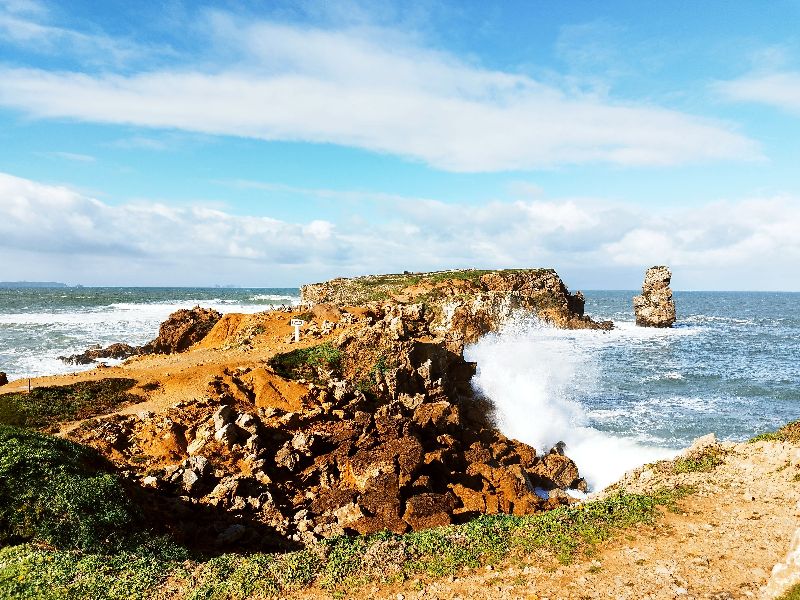
This fishing peninsula has become one of Europe's top surf destinations, hosting World Surf League competitions on its consistent Atlantic breaks. Just offshore, the Berlengas Islands nature reserve offers snorkeling and hiking in crystal-clear water far from the mainland crowds. — Best for: surfers, boat trips, nature reserves
CATEGORY 04
Food & Wine

Pastel de Nata
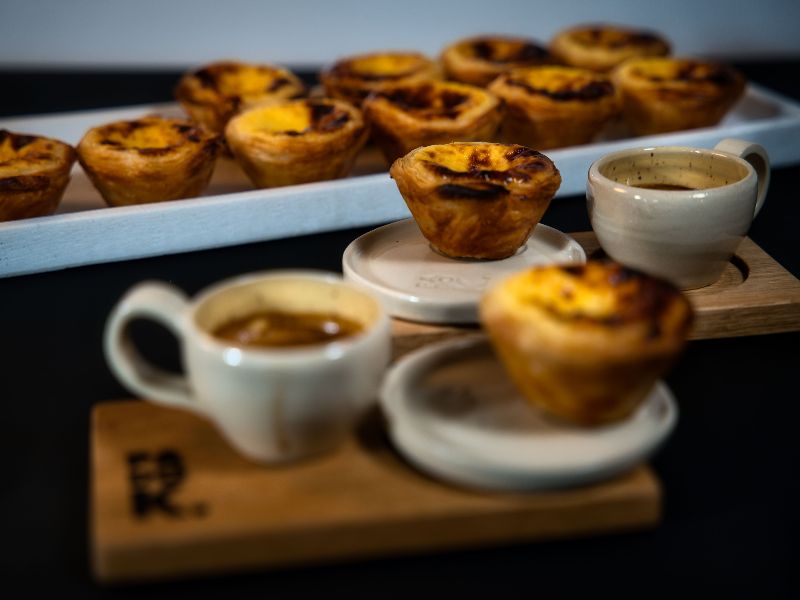
Portugal's most famous export isn't wine or cork — it's this custard tart, perfected by monks at Lisbon's Jerónimos Monastery centuries ago. The original recipe remains a closely guarded secret at Pastéis de Belém, but excellent versions are sold warm, dusted with cinnamon, in nearly every café nationwide. — Best for: dessert lovers, café culture seekers, quick bites

Port wine
This rich, fortified wine has been aged in cellars along the Douro River for well over 300 years, its sweet, complex flavor earning global fame under strict regional protection and centuries-old production methods. Cross the river from Porto to Vila Nova de Gaia, where historic wine lodges offer guided tastings straight from towering, centuries-old oak barrels. — Best for: wine lovers, history buffs, cellar tours

Portuguese Seafood
With one of Europe's longest coastlines and a deep-rooted fishing tradition, Portugal takes seafood seriously — bacalhau (salt cod) alone has over 365 documented recipes, one for every day of the year. Sardines grilled over open coals and cataplana, a copper-pot seafood stew, round out a cuisine built entirely around the Atlantic. — Best for: seafood lovers, foodies, coastal dining
CATEGORY 05
Hidden Gems

Óbidos
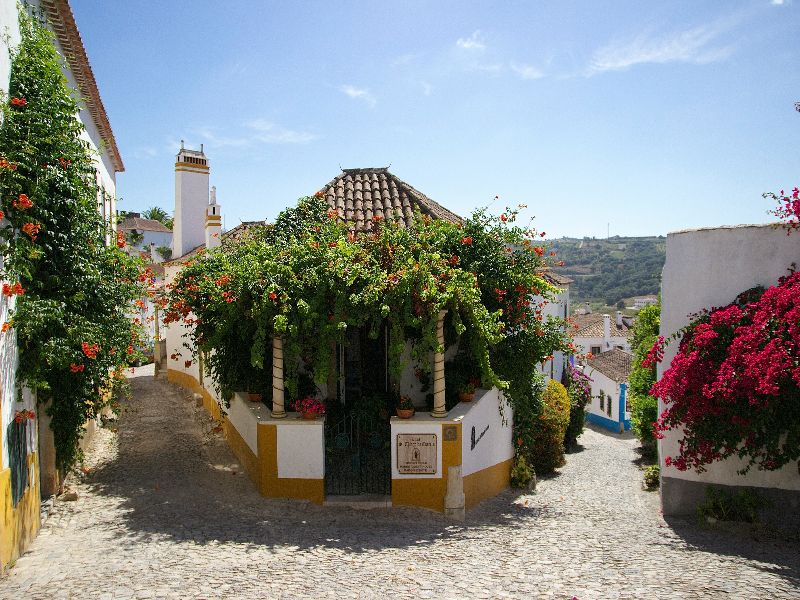
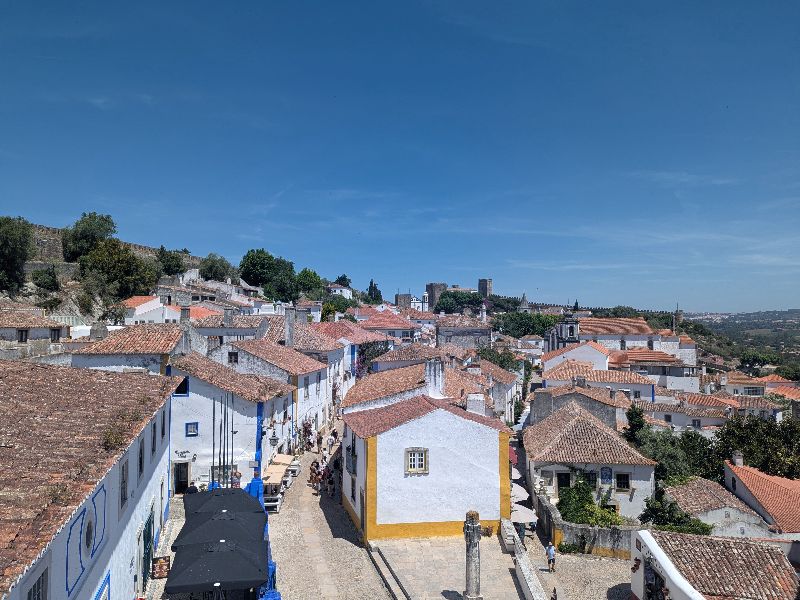
This entirely walled medieval town looks frozen in time, its whitewashed houses trimmed in bright yellow and blue behind still-intact fortress walls. Sip ginjinha, a sweet cherry liqueur, served in a small chocolate cup from a street vendor — a quirky local tradition worth seeking out. — Best for: history buffs, photographers, day-trippers from Lisbon
Monsanto
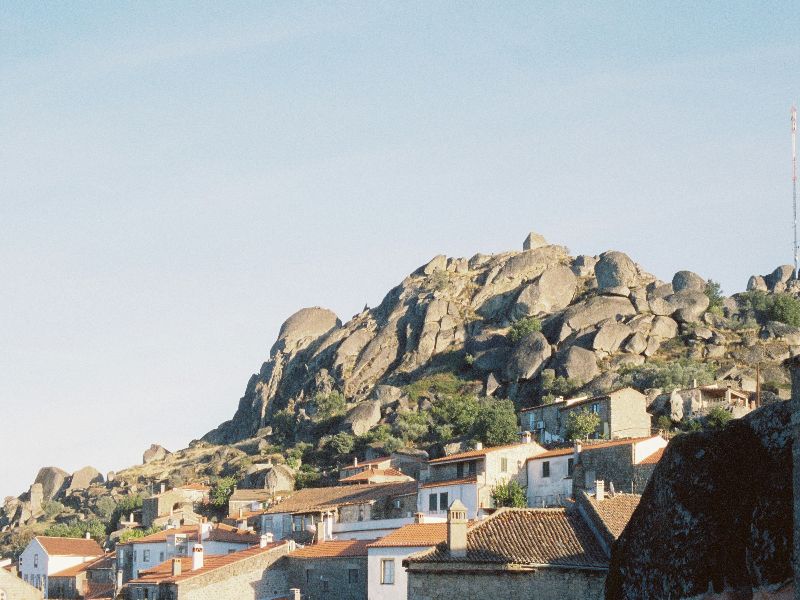
Officially named 'the most Portuguese village in Portugal,' Monsanto's houses are built directly into — and sometimes under — massive granite boulders, some using the rocks themselves as walls or roofs. A genuinely surreal place that feels more like a fantasy film set than an actual village. — Best for: photographers, off-the-beaten-path travelers, unique architecture
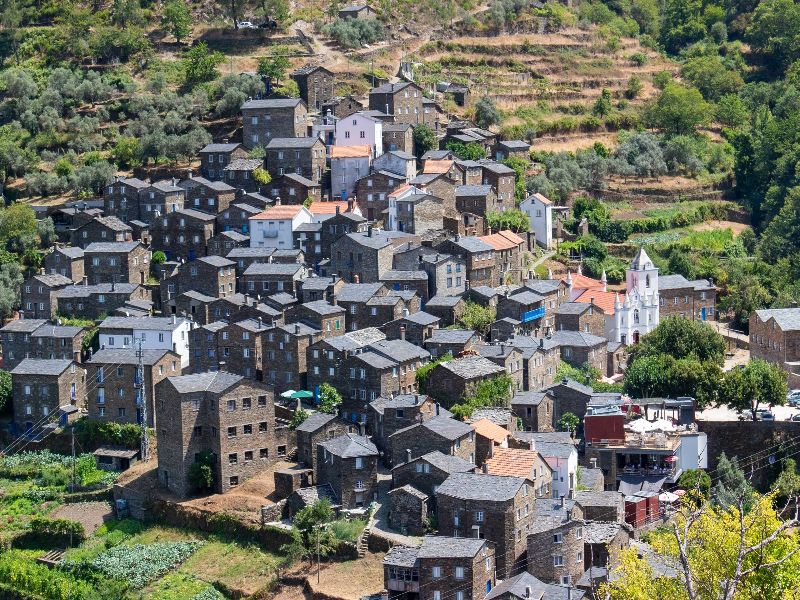
Piódão
Tucked deep into the Serra do Açor mountains, this schist-stone village was so isolated it didn't get electricity until the 1980s. Uniform gray stone houses cascade down the steep hillside, earning it the nickname 'the fairy-tale village' among locals. — Best for: hikers, off-the-beaten-path travelers, mountain scenery
CATEGORY 06
Day Trips & Itineraries

Lisbon → Sintra (Half day)
Fairy-tale palaces sit just 40 minutes from Lisbon by train. Visit the colorful Pena Palace and mysterious Quinta da Regaleira, then grab a travesseiro pastry before heading back — Sintra's train runs frequently throughout the day.
Titlu: "Lisbon → Nazaré (Full day)
Combine a walled medieval town with the world's biggest waves in one scenic loop north of Lisbon. Wander Óbidos' cobbled streets and sip ginjinha, then continue to Nazaré's clifftop lighthouse for views over the legendary surf break.
Porto → Douro Valley (Half day)
Terraced vineyards along the river are just over an hour from Porto by train or car. Take a scenic river cruise, stop at a family-run quinta for a wine tasting, or simply enjoy one of Europe's most beautiful train rides along the Douro.
PLAN YOUR PORTUGAL TRIP
Everything you need to book your trip, from accommodation and flights to transport and experiences
EXPERIENCE
Discover tours, attractions and activities to make your trip unforgettable
BEFORE YOU GO
Practical Information
Visa & Entry
For EU/Schengen citizens: No visa needed, valid ID or passport sufficient.
For visa-exempt non-EU travelers (US, Canada, Australia, UK, etc.): You can currently enter Portugal visa-free for stays up to 90 days within any 180-day period. Starting in late 2026, ETIAS (a quick online pre-registration, similar to the US ESTA) will become mandatory — check current status at etias.com before booking.
For travelers requiring a visa: You’ll need a Schengen short-stay visa (Type C), applied for through the Portuguese consulate or visa center in your country, typically 15–60 days before travel.
Passport validity rule: Your passport must be valid for at least 6 months beyond your planned departure from the Schengen Area.
This information is provided as general guidance only and does not constitute legal or immigration advice — always verify current entry requirements with official sources before traveling.
Safety
Safety in Portugal: Portugal is generally safe for tourists, but pickpocketing and bag snatching can occur in crowded tourist areas, public transport and major train stations, particularly in Lisbon, Porto and popular resort areas.
Petty crime: Keep valuables secure, stay alert to distraction techniques and avoid leaving bags or phones unattended at cafés, beaches or other public places. Never leave luggage visible inside a parked car.
Public transport and demonstrations: Watch your belongings on buses, trams, metros and trains, especially on busy tourist routes. Demonstrations and strikes may cause disruption, so avoid large gatherings if tensions arise and check transport updates.
Beaches and outdoor activities: Follow beach flag warnings and local advice when swimming, as Atlantic currents and waves can be dangerous. During hot, dry periods, check local alerts for wildfires and extreme heat, particularly in rural areas.
Emergency number: Call 112 for emergencies anywhere in Portugal. The call is free, and assistance is available for police, medical and fire emergencies.
Etiquette & Culture
Portuguese culture values courtesy, family traditions, food and respect for local customs. Regional differences are noticeable, so follow local guidance and be considerate of residents.
Greetings & Social Etiquette: Use bom dia (good morning), boa tarde (good afternoon) or boa noite (good evening) when greeting people. A handshake is common when meeting someone for the first time, while friends may greet with a kiss on each cheek. Use obrigado (thank you, said by a man) or obrigada (thank you, said by a woman).
Punctuality & Respect: Be punctual for appointments, tours and reservations. Social occasions may be more relaxed, but avoid arriving significantly late. Address older people and strangers politely, particularly in formal situations.
Dining Etiquette: Meals are often social occasions, and it is common to take time over food. Bread, olives and other appetisers placed on the table may be charged if consumed. Tipping is optional, but leaving a small amount for good service is appreciated.
Culture & Traditions: Portuguese traditions include local festivals, religious celebrations, traditional music and regional cuisine. Fado is an important musical tradition, particularly associated with Lisbon and Coimbra. Respect religious customs and dress appropriately when visiting churches and other religious sites.
Public Behaviour: Respect queues, avoid littering and follow rules at monuments and attractions. Keep noise down in residential areas, especially at night. When visiting beaches, follow local safety flags and instructions, and respect protected natural areas.
Health
Healthcare: Portugal has a well-established healthcare system, with public hospitals and emergency departments available throughout the country. Services and waiting times may vary by region, and private treatment can be expensive.
European Health Insurance Card (EHIC): EU travellers should carry a valid EHIC to access medically necessary care through Portugal’s public healthcare system and participating providers. Co-payments may apply, and the card does not cover private healthcare or repatriation. Travel insurance is recommended.
Pharmacies: Pharmacies (farmácias) are widely available and usually identified by a green cross. For evening, Sunday or holiday needs, check the posted rota (farmácias de serviço) for the nearest open pharmacy.
Emergency medical assistance: Call 112 for emergencies. The medical emergency number INEM coordinates ambulance assistance.
Useful Phrases
Greetings & Courtesy
Hello — Olá
Thank you — Obrigado / Obrigada
Please / You’re welcome — Por favor / De nada
Getting Around
Where is the train station? — Onde fica a estação de comboios?
How much does this cost? — Quanto custa isto?
Do you speak English? — Fala inglês?
At Restaurants & Shops
A table for two, please — Uma mesa para dois, por favor
The bill, please — A conta, por favor
Can I pay by card? — Posso pagar com cartão?
Emergencies
Help! — Socorro!
I need a doctor — Preciso de um médico
Call the police, please — Chame a polícia, por favor
Ready to plan your Portugal trip?
Let us build a custom itinerary, or browse our ready-made packages.