Europe’s tiny financial powerhouse, where medieval fortresses overlook glass-and-steel skylines.

Luxembourg

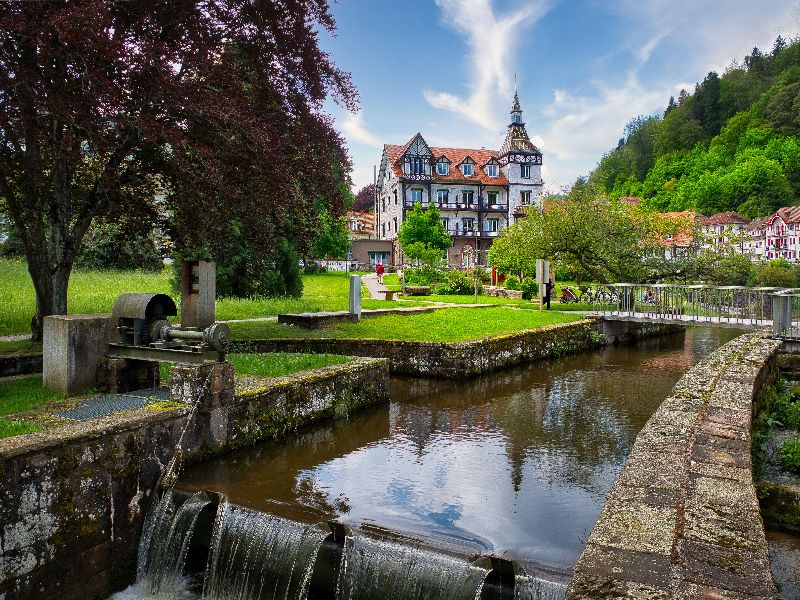
Luxembourg is proof that size has nothing to do with substance — one of Europe’s smallest countries packs in medieval fortresses, dramatic river gorges, and a capital city built dramatically into cliffside ravines. A founding EU member and one of the wealthiest nations on Earth, it blends old-world charm with genuine modern sophistication. Whether you’re chasing castles, hiking trails, or free public transport (yes, the whole country), this is where your European story can begin.

CURRENCY

Euro (€)

BEST TIME TO VISIT

Apr–Jun, Sep–Oct

GETTING THERE

Luxembourg City

GETTING AROUND

Free public transport nationwide

LUXEMBOURG
Fortress city.
River valleys and castles.

Luxembourg at a Glance

How does this destination fit your travel style?

🏛
Culture & History
4.7
i

Luxembourg has 1 UNESCO World Heritage property: the Old Quarters and Fortifications of Luxembourg City.

✅ The UNESCO-listed property covers Luxembourg City’s historic quarters and fortifications. Vianden Castle and Mullerthal are notable highlights elsewhere, but are not UNESCO World Heritage sites.

⚠️ Luxembourg City’s compact centre is easy to explore on foot, and nationwide public transport is free in second class, making day trips easy to plan.

🏙
City Breaks
4.6
i

From Paris to Lyon, Nice, Bordeaux and Strasbourg, LUXEMBOURG offers very different city-break experiences within one country.

✅ The national rail network makes combining major cities practical without relying on domestic flights.

⚠️ Paris can dominate a first visit; travellers wanting a broader experience should deliberately include at least one regional city.

🍴
Food & Drink
4.2
i

From Michelin dining to regional markets — depth most countries can't match.

✅ The 2026 MICHELIN Guide lists 668 starred restaurants across LUXEMBOURG, including 62 new additions, with the selection extending well beyond Paris.

⚠️ The most sought-after fine-dining restaurants require advance planning, while restaurants immediately around major tourist landmarks can offer weaker value.

👨‍👩‍👧
Family Friendly
4.6
i

LUXEMBOURG combines cities, beaches, mountains, museums and major family attractions in one destination.

✅ Disneyland Paris has welcomed more than 375 million visitors since opening, while LUXEMBOURG also offers extensive family attractions across different regions.

⚠️ LUXEMBOURG is geographically large; trying to combine too many regions can create long travel days, especially for families.

⛰
Nature & Outdoors
4.7
i

Alpine peaks, Mediterranean and Atlantic coastlines, forests and overseas territories give LUXEMBOURG exceptional geographic variety.

✅ LUXEMBOURG has 11 national parks, from the Alps and Pyrenees to the Mediterranean and overseas territories.

⚠️ Conditions vary significantly by region and season, so the best destination depends heavily on the activity and travel dates.

🚆
Getting Around
5.0
i

LUXEMBOURG has one of Europe's strongest rail networks for travelling between major cities.

✅ The network has around 28,000 km of lines in operation and about 3,000 stations, including around 2,700 km of high-speed passenger lines.

⚠️ Rail is excellent between major cities, but a car becomes much more useful for villages, rural areas and some coastal or mountain itineraries.

🛡️
Safety
4.2
i

LUXEMBOURG is generally safe for tourists, but the main risks are concentrated in crowded urban and tourist areas.

✅ LUXEMBOURG has well-established emergency services, with police, medical and fire services available throughout the country. The European emergency number 112 is available nationwide.

⚠️ Pickpocketing and phone theft are common in crowded places, particularly around major tourist attractions, stations and public transport. Demonstrations can also occur, sometimes with little warning.

🪙
Value for Money
3.5
i

LUXEMBOURG can deliver exceptional experiences at many budgets, but its most famous destinations are rarely among Europe's cheapest.

✅ Travelling outside Paris and outside peak periods can materially improve value, with a broad accommodation market across the country.

⚠️ In 2025, the national average price for a 2-star hotel room with breakfast ranged from €92.69 in January to €102.41 in June. Major tourist centres can be considerably more expensive.

Overall Travel Score
4.6 / 5

MUST-SEE

Top 5 Destinations in Luxembourg

01

luxembourg city

Luxembourg City

One of Europe’s most dramatically situated capitals fills a fortified canyon carved by two rivers, its UNESCO-listed Old Town laced with bastion walls and castle remnants. Stand on the Pont Adolphe bridge for the classic postcard view over the Pétrusse Valley below.

02

vianden castle.

Vianden Castle

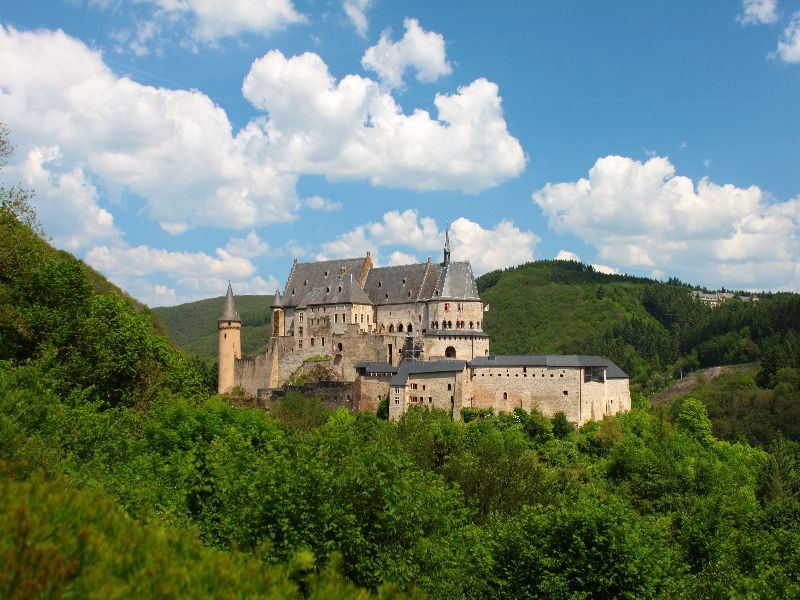
One of Europe’s best-preserved medieval fortresses crowns a hilltop above the fairy-tale town of Vianden, with roots stretching back to a Roman-era stronghold. Ride the scenic chairlift up for panoramic views, then wander cobbled streets below once home to exiled writer Victor Hugo.

03

echternach (1)

Echternach

Luxembourg’s oldest town centers on a Gothic basilica founded in 698 CE, its history visible in every corner from Roman ruins to a still-active medieval abbey. Every June, locals perform the UNESCO-listed Dancing Procession, hopping to polka music through the historic streets.

04

mullerthal

Mullerthal

Nicknamed ‘Little Switzerland’ despite the total absence of mountains, this region hides dramatic sandstone rock formations, mossy caves, and waterfalls along more than 112km of marked trails. Hohllay Cave, carved by centuries of millstone quarrying, has acoustics good enough for concerts.

05

moselle wine valley

Moselle Wine Valley

Luxembourg’s wine country traces the Moselle River along a gentle, sun-warmed valley, producing crisp sparkling wines and rare Pinot Blancs found almost nowhere else. Visit family-run cellars in Remich or Grevenmacher, then cycle the riverside path between vineyard towns.

CATEGORY 01

Cities & Culture

clervaux

Clervaux

This small castle town in northern Luxembourg houses 'The Family of Man,' a landmark 1955 photography exhibition now protected as UNESCO Memory of the World. The castle itself, rebuilt after WWII's Battle of the Bulge, anchors a peaceful valley setting near the Belgian border. — Best for: photography enthusiasts, history buffs, quiet getaways
dudelange

Dudelange

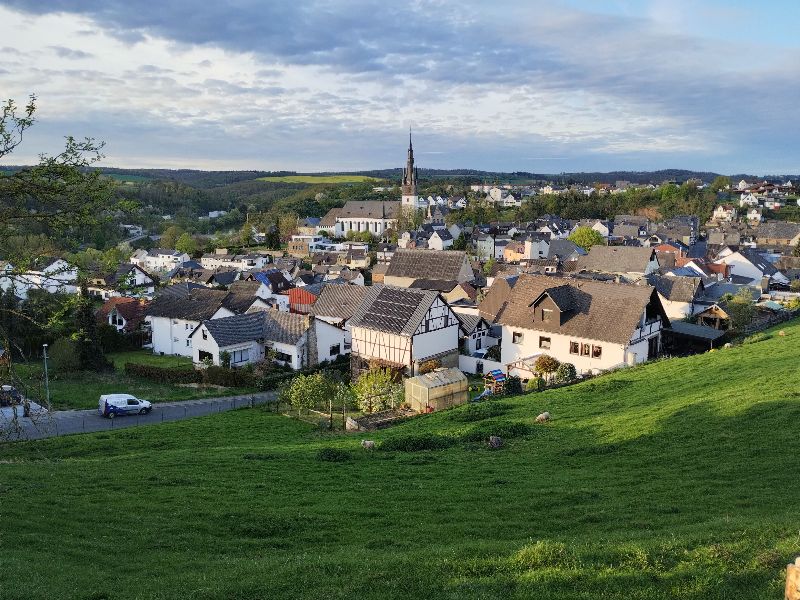
Once a booming steel town, Dudelange reinvented its industrial past into a thriving cultural hub, with former factory buildings now housing galleries, theaters, and one of Luxembourg's best photography museums. A compelling look at how the country balances heritage with reinvention. — Best for: art lovers, industrial heritage fans, off-the-beaten-path travelers
esch sur alzette

Esch-sur-Alzette

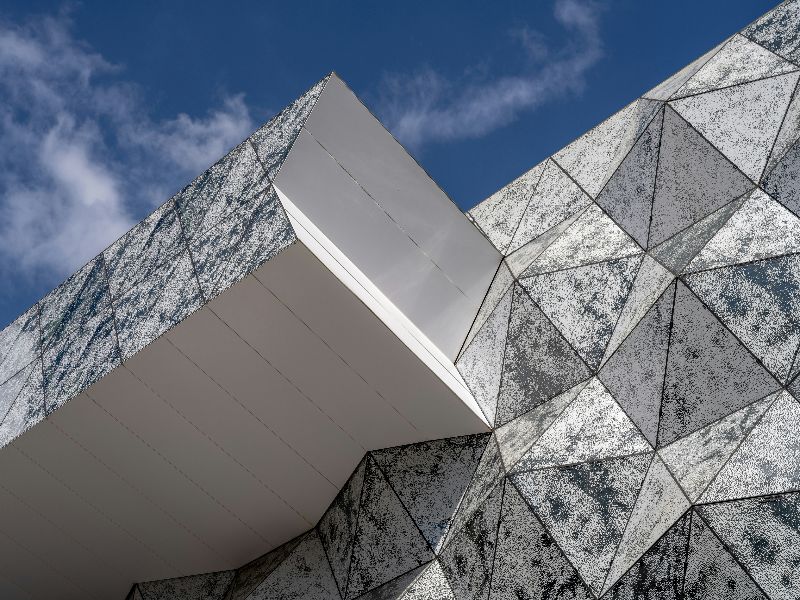
Luxembourg's second-largest city earned European Capital of Culture status in 2022, transforming former mining land into cultural venues and green spaces almost overnight. A youthful, multicultural energy sets it apart from the more formal capital just 20 minutes away. — Best for: culture seekers, students at heart, urban explorers
CATEGORY 02

Nature & Landscapes

upper sûre natural park

Upper Sûre Natural Park

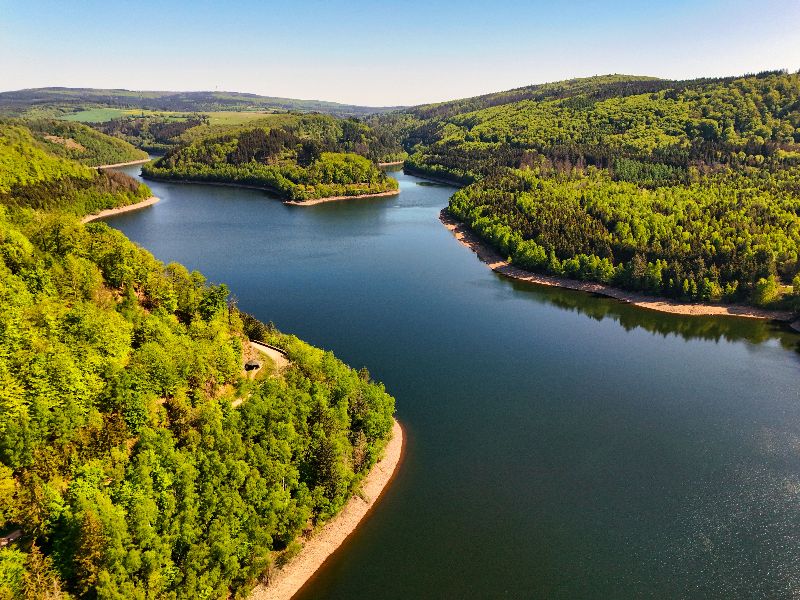
Luxembourg's largest lake sits at the heart of this protected nature park, ringed by dense forest and dotted with small beaches for summer swimming. Kayak, sail, or simply hike the shoreline trails through some of the country's most peaceful scenery. — Best for: water sports fans, hikers, families
our valley

Our Valley

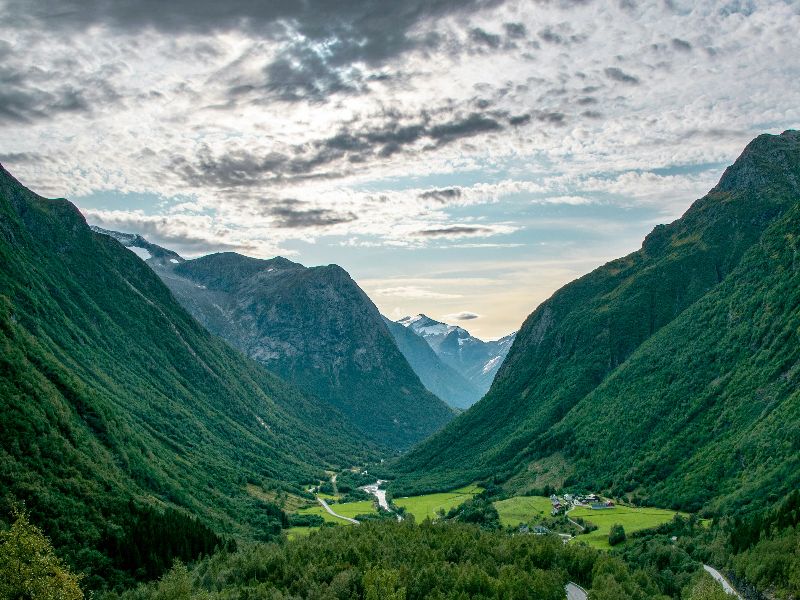
This remote northern valley traces the winding Our River along Luxembourg's border with Germany, its steep forested slopes hiding small villages that see remarkably few visitors. Hiking trails here connect quietly to Vianden, rewarding those willing to venture off the main tourist route. — Best for: hikers, off-the-beaten-path travelers, quiet nature
Éislek region

Éislek Region

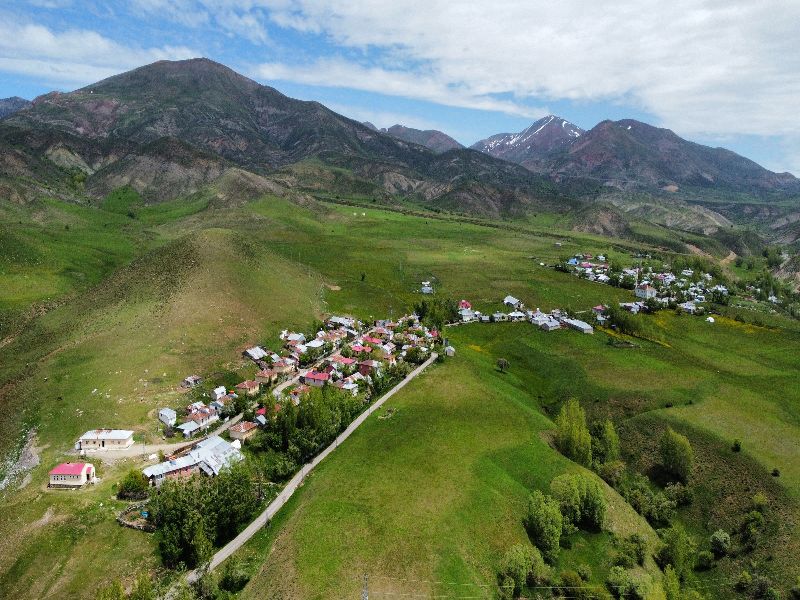
Nicknamed Luxembourg's 'Little Ardennes,' this hilly northern region delivers rolling forested terrain and an extensive network of mountain biking and hiking trails largely undiscovered by tourists. A refreshing, rugged contrast to the country's polished capital. — Best for: mountain bikers, hikers, nature lovers seeking solitude
CATEGORY 03

Food & Wine

luxembourg wine

Luxembourg Wine

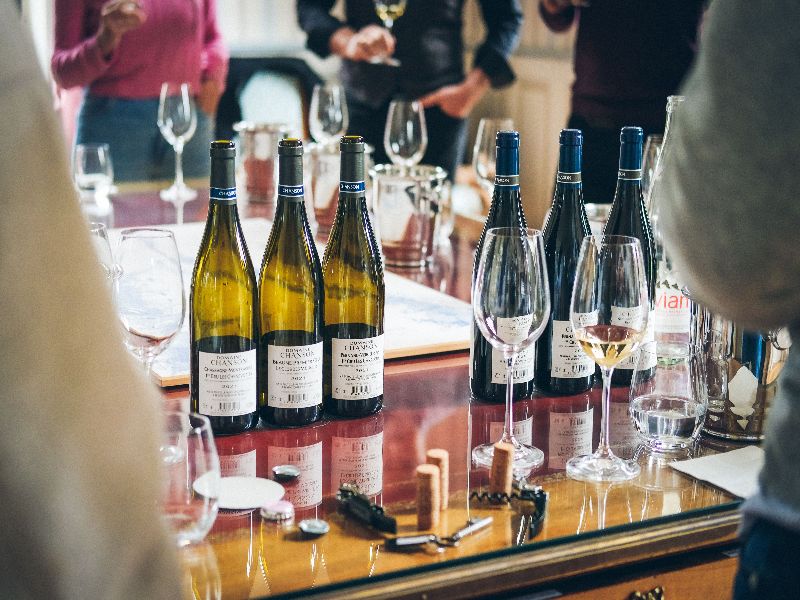
Beyond the Moselle Valley's crisp Rieslings, Luxembourg produces exceptional Crémant — a méthode traditionnelle sparkling wine that rivals Champagne at a fraction of the price. Family-run cellars along the river welcome visitors for tastings most people never think to seek out. — Best for: wine lovers, sparkling wine fans, hidden gems
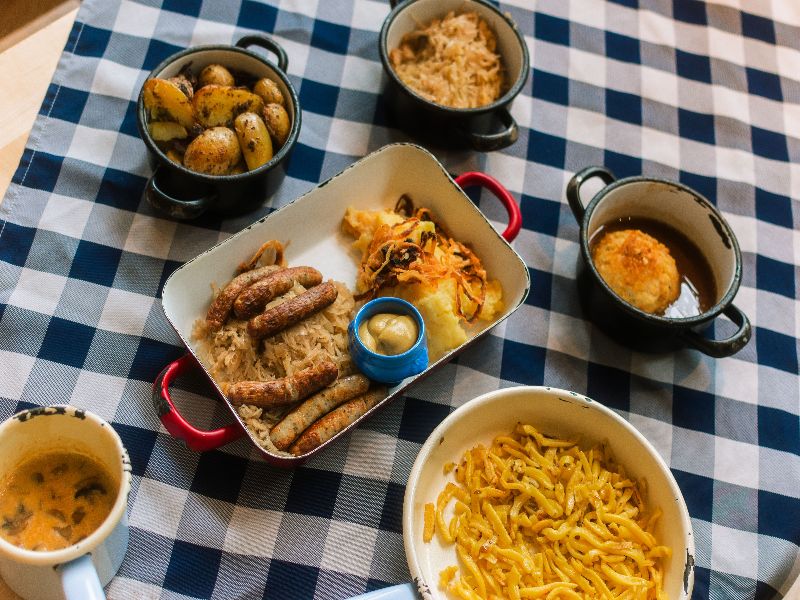
judd mat gaardebounen

Traditional Cuisine

Luxembourgish food blends French refinement with hearty German portions — Judd mat Gaardebounen (smoked pork collar with broad beans) is the national dish, while Bouneschlupp (green bean soup) offers comforting everyday fare. A cuisine shaped by centuries sitting between two culinary giants. — Best for: foodies, comfort food lovers, cultural travelers
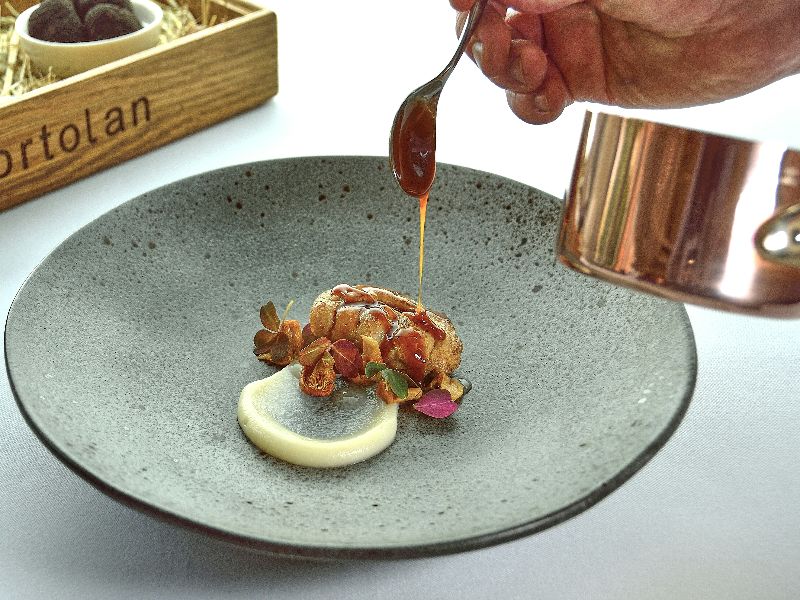
michelin

Michelin-Starred Dining

Per capita, Luxembourg has one of the highest concentrations of Michelin stars anywhere on Earth, punching far above its tiny size. From refined French tasting menus to inventive modern reinterpretations of local dishes, the country's dining scene rivals cities many times its size. — Best for: fine dining enthusiasts, special occasions, foodies
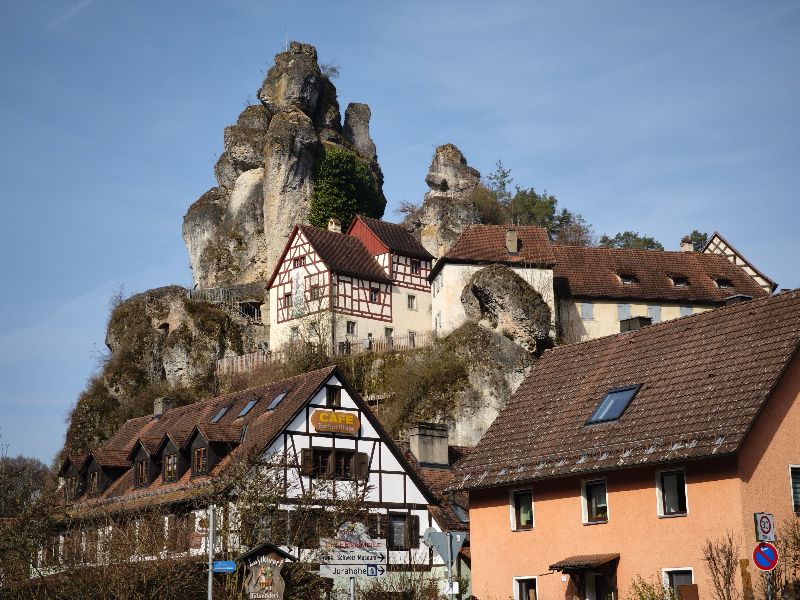
CATEGORY 04

Hidden Gems

berdorf

Berdorf

This small village serves as the unofficial gateway to the Mullerthal Trail, its sandstone cliffs drawing rock climbers from across the region. A quiet base for hikers, with far fewer visitors than the more famous stops nearby. — Best for: rock climbers, hikers, quiet basecamp stays
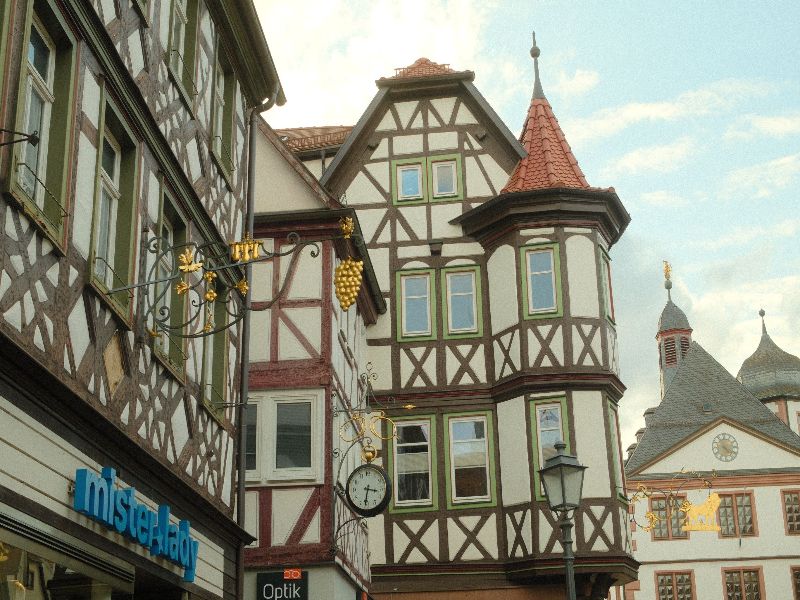
wiltz

Wiltz

This northern town hosts one of Luxembourg's biggest cultural events each summer — an open-air musical theater festival held in the courtyard of its hilltop castle. History runs deeper too: a museum here tells the story of the WWII Battle of the Bulge, fought partly on these streets. — Best for: theater lovers, history buffs, summer festival travelers
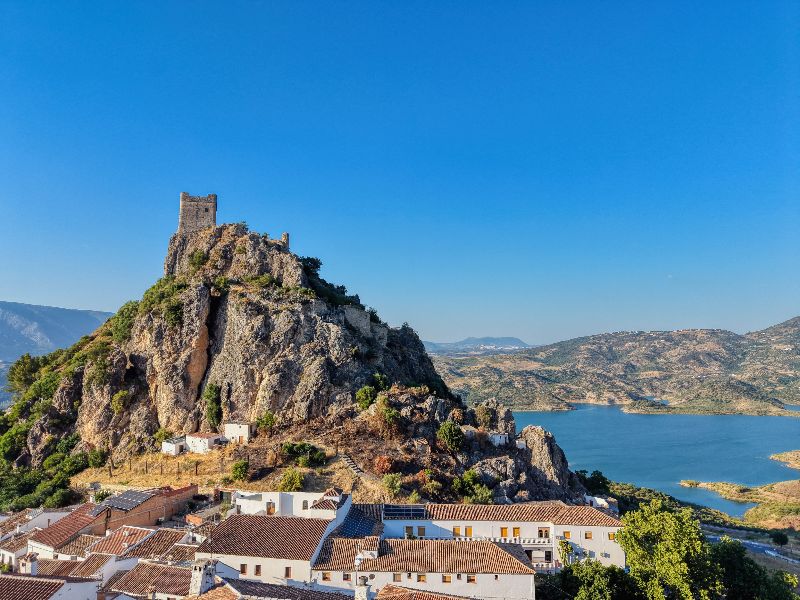
larochette castle

Larochette

Dramatic castle ruins tower over this small valley town, their weathered stone walls dating back to the 11th century. The compact old town below makes for an easy, unhurried wander, with far fewer crowds than Vianden's more famous fortress. — Best for: castle enthusiasts, photographers, quiet day trips
CATEGORY 05

Day Trips & Itineraries

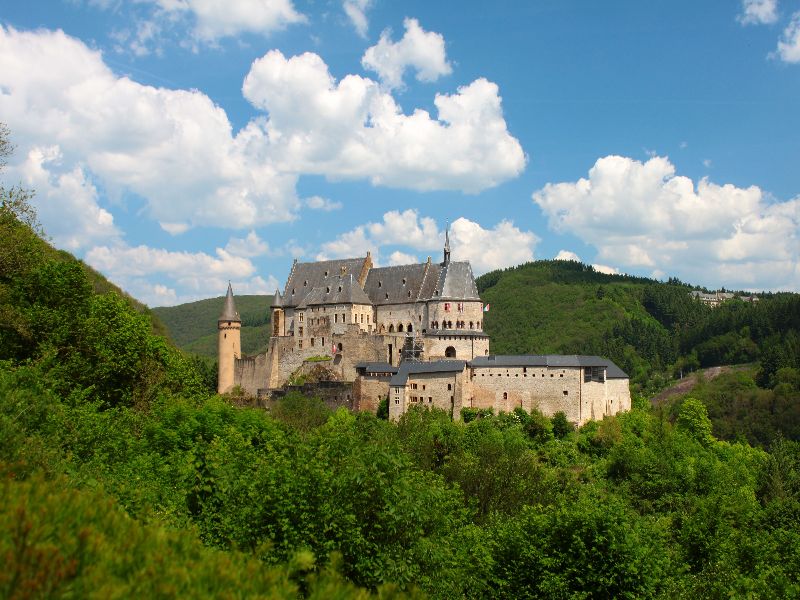
vianden castle.

Luxembourg City → Vianden Castle (Half day)

One of Europe's most impressive medieval fortresses sits just 40 minutes north of the capital by bus. Ride the scenic chairlift for panoramic valley views, then explore the castle's restored halls and towers
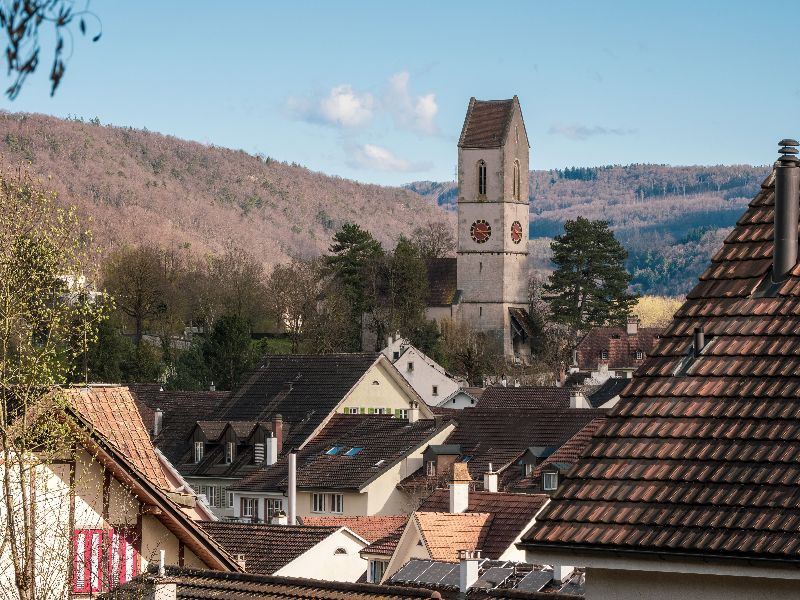
echternach (1)

Luxembourg → Echternach & Mullerthal (Half day)

Luxembourg's oldest town pairs easily with a short hike into the nearby Mullerthal rock formations, both about 30 minutes from the capital. Explore the Gothic basilica, then follow marked trails past sandstone cliffs and mossy caves.
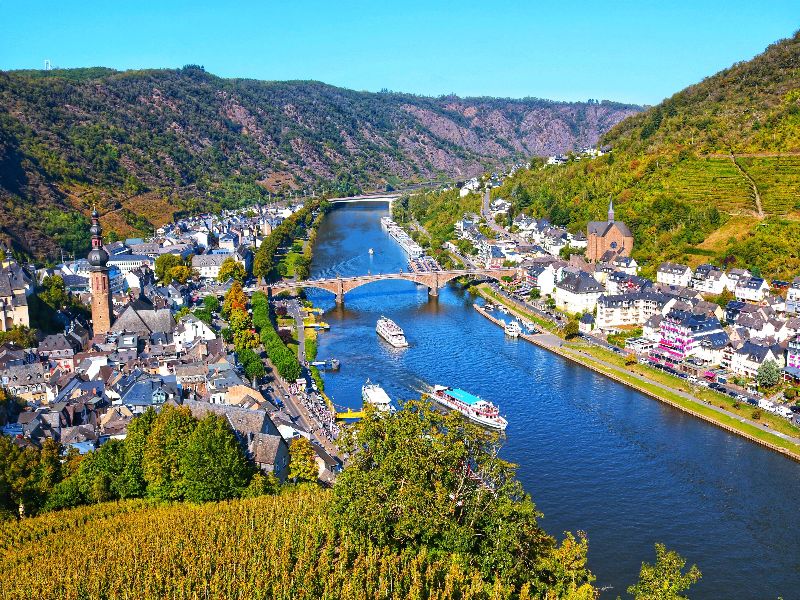
moselle

Luxembourg City → Moselle Wine Valley (Half day)

The scenic wine route along the Moselle River is just 30 minutes from the capital by car or bus. Stop in Remich or Grevenmacher for a cellar tasting, then stroll the riverside promenade between vineyard-covered hills.

PLAN YOUR LUXEMBOURG TRIP

Everything you need to book your trip, from accommodation and flights to transport and experiences

STAY

Find hotels and accommodation in Luxembourg City and across the country.

FLY

Compare flights to Luxembourg City Airport (LUX) and nearby regional airports for your trip.

MOVE

Free nationwide public transport makes it easy to explore Luxembourg by bus, tram and train.

DRIVE

Compare car hire for exploring the Moselle Valley and northern Luxembourg beyond the rail network.

EXPERIENCE

Book guided walks, castle visits, and wine tastings around Luxembourg.

BEFORE YOU GO

Practical Information

Visa & Entry

EU and Schengen citizens: You can enter Luxembourg with a valid passport or national identity card. Children need their own travel document.

Visa-exempt visitors: Many non-EU nationals can visit the Schengen Area for up to 90 days in any 180-day period without a visa. Requirements depend on nationality; check the official EU travel and visa guidance.

ETIAS: The EU says ETIAS is expected to start in the last quarter of 2026. It is not operating yet, so no application is required at this time. Check the official EU ETIAS website for updates.

Visitors who need a visa: A Schengen short-stay visa (Type C) may be required. Apply through the responsible Luxembourg consulate or authorised visa centre before travelling.

Passport validity for non-EU visitors: Your passport must generally have been issued within the previous 10 years and remain valid for at least 3 months after your planned departure from the Schengen Area.

This is general guidance, not legal or immigration advice. Verify your individual requirements with official sources before travelling.

Safety in Luxembourg: Luxembourg is generally safe for tourists, with relatively low levels of serious crime. However, pickpocketing and opportunistic theft can occur in crowded public areas, transport hubs and busy city-centre locations.

Petty crime: Keep valuables secure, stay alert in crowded places and avoid leaving bags or phones unattended in cafés or restaurants. Never leave luggage or valuables visible inside a parked car.

Public transport and demonstrations: Watch your belongings at train stations and on buses and trains. Public transport disruptions or demonstrations may occasionally affect travel. Avoid large gatherings if tensions arise and check local updates before setting out.

Road safety and outdoor activities: Follow local traffic rules and take care when cycling or walking near roads. If exploring rural trails or forested areas, check weather conditions and follow marked paths, particularly in wet weather.

Emergency number: Call 112 for medical emergencies and fire services. For police emergencies, call 113. Both numbers are free.

Luxembourgish culture values courtesy, discretion, punctuality and respect for its multicultural identity. French, German and Luxembourgish influences are part of everyday life, so follow local customs and be considerate of residents.

Greetings & Social Etiquette: Use Moien (hello/good morning) in Luxembourgish, bonjour in French or Guten Tag in German. A handshake is common when meeting someone for the first time. Polite expressions such as merci (thank you) and s’il vous plaît (please) are appreciated.

Punctuality & Respect: Be punctual for appointments, tours and reservations. Inform others if you expect to be late. Respect personal space and use polite, formal language when meeting people for the first time.

Dining Etiquette: Wait until everyone has been served before starting to eat. Keep your hands visible on the table and use cutlery appropriately. Tipping is not compulsory, as service is generally included, but rounding up the bill or leaving a small amount is appreciated.

Culture & Traditions: Luxembourg’s traditions reflect its French, German and local influences, with national celebrations, village festivals and seasonal markets playing an important role. National Day on 23 June is one of the country’s main celebrations.

Public Behaviour: Respect queues, avoid littering and follow rules at monuments and public spaces. Keep noise down in residential areas, particularly at night. Be considerate of the country’s multilingual environment and respect local customs.

Healthcare: Luxembourg has a well-developed healthcare system, with hospitals, emergency departments and medical practices available throughout the country. Healthcare services are generally of a high standard, although private treatment can be expensive.

European Health Insurance Card (EHIC): EU travellers should carry a valid EHIC to access medically necessary care through Luxembourg’s public healthcare system and participating providers. Patients may need to pay upfront and claim reimbursement, depending on the treatment. The card does not cover private healthcare or repatriation. Travel insurance is recommended.

Pharmacies: Pharmacies (pharmacies or Apdikten) are widely available and usually identified by a green cross. For evenings, Sundays or public holidays, check the duty pharmacy service (pharmacie de garde) for the nearest open pharmacy.

Emergency medical assistance: Call 112 for ambulance and fire emergencies. The number is free and operates throughout Luxembourg.

Greetings & Courtesy

  • Hello — Moien

  • Thank you — Merci

  • Please / You’re welcome — Wann ech gelift / Gär geschitt

Getting Around

  • Where is the train station? — Wou ass d’Gare?

  • How much does this cost? — Wéi vill kascht dat?

  • Do you speak English? — Schwätzt Dir Englesch?

At Restaurants & Shops

  • A table for two, please — En Dësch fir zwee, wann ech gelift

  • The bill, please — D’Rechnung, wann ech gelift

  • Can I pay by card? — Kann ech mat Kaart bezuelen?

Emergencies

  • Help! — Hëllef!

  • I need a doctor — Ech brauch en Dokter

  • Call the police, please — Rufft w.e.g. d’Police

Ready to plan your Luxembourg trip?

Let us build a custom itinerary, or browse our ready-made packages.

cropped trips2europe favicon.png.png
Privacy Overview

This website uses cookies so that we can provide you with the best user experience possible. Cookie information is stored in your browser and performs functions such as recognising you when you return to our website and helping our team to understand which sections of the website you find most interesting and useful.