Where medieval fairy-tale castles meet cutting-edge cities, and beer gardens are basically a national pastime.
Germany
Germany is the country that gave the world fairy tales, philosophy, and the autobahn — and somehow makes all three feel like they belong together. From the medieval half-timbered towns of Bavaria to the cutting-edge energy of Berlin, from the wine-soaked slopes of the Rhine Valley to the windswept beaches of the Baltic coast, no two regions feel alike — yet every one of them feels unmistakably German. Whether you’re chasing castles, craft beer, or contemporary art, this is where your European story can begin.
CURRENCY
Euro (€)
BEST TIME TO VISIT
Apr–Jun, Sep–Oct
GETTING THERE
Berlin, Munich, Frankfurt
GETTING AROUND
ICE high-speed rail
Fairytale castles.
Germany at a Glance
How does this destination fit your travel style?
Germany’s history spans Roman frontiers, medieval towns, Prussian heritage and the events that shaped modern Europe.
✅ Historic sites, museums and cultural institutions are spread across the country, from Berlin to smaller regional cities.
⚠️ The history is complex and at times difficult; allow time for museums and memorials rather than treating them as quick photo stops.
Berlin, Munich, Hamburg, Cologne and Dresden each offer distinct architecture, museums and food scenes.
✅ Major cities are connected by rail, making multi-city trips practical without relying on domestic flights.
⚠️ Distances are larger than a single-city trip suggests; plan intercity travel and local transit time.
Regional food traditions range from Bavarian dishes and Franconian beer to Rhine wines, northern seafood and Berlin street food.
✅ Bakeries, markets and local restaurants offer approachable ways to try regional specialties.
⚠️ Opening hours vary, especially on Sundays and public holidays; check ahead and reserve popular restaurants.
Germany offers family attractions across cities and regions, including interactive museums, castles, zoos and theme parks.
✅ Good rail links and a wide choice of accommodation can make multi-stop trips manageable.
⚠️ Choose fewer bases for a short stay; long distances and frequent hotel changes can tire younger travelers.
The Bavarian Alps, Black Forest, river valleys, lakes and Baltic and North Sea coasts give Germany varied outdoor settings.
✅ Hiking, cycling and waterside activities are available in many regions.
⚠️ Weather and terrain vary by region and season; check local conditions and transport before heading to trails or islands.
Germany’s rail network links major cities and many regional destinations, with ICE high-speed trains on key routes.
✅ Rail, metro, tram and bus networks make car-free city visits practical.
⚠️ Construction, delays and strikes can affect schedules; check connections close to departure and allow time for transfers.
Germany is generally a straightforward destination for visitors, though risks vary by place and situation.
✅ Emergency services and medical facilities are available across the country.
⚠️ Use normal precautions in crowded stations and tourist areas, and keep an eye on personal belongings.
Germany offers choices from hostels and local guesthouses to upscale stays, with food and transport options at different price points.
✅ Costs can be managed by exploring regional destinations, comparing local transport options and booking intercity trains early.
⚠️ Prices can rise around trade fairs, festivals and peak summer dates; compare dates before booking.
Top 5 Destinations in Germany
01
Berlin
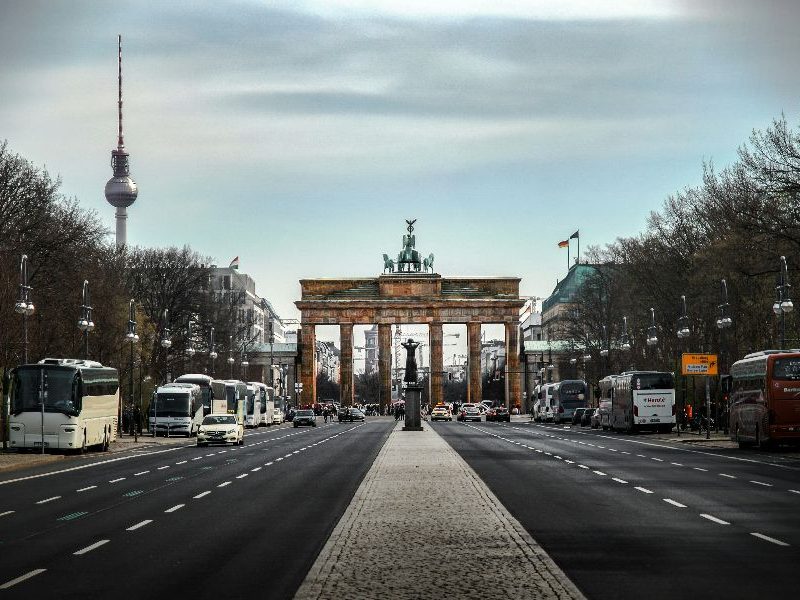
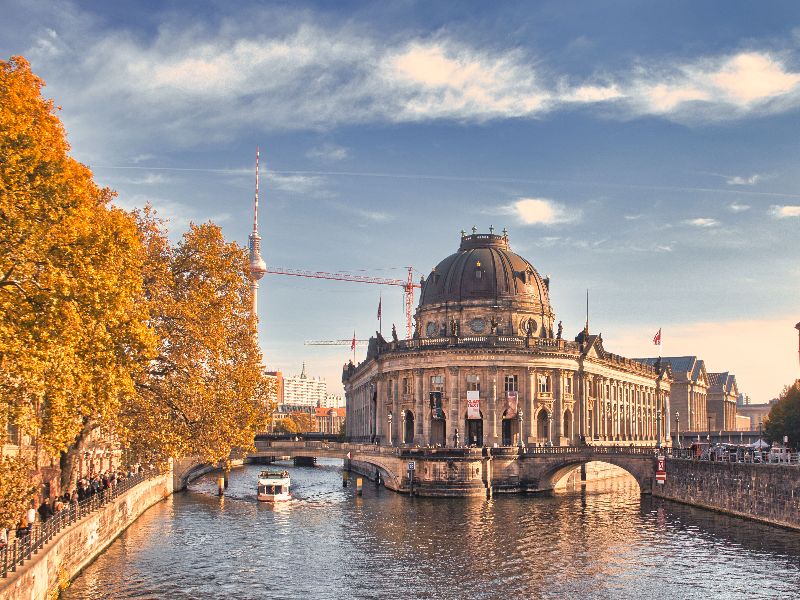
Modern Germany and its complex history collide at every corner of the capital. World-class museums, raw street art, and a nightlife scene that never quite sleeps — Berlin rewards travelers who like their cities with an edge.
02
Munich
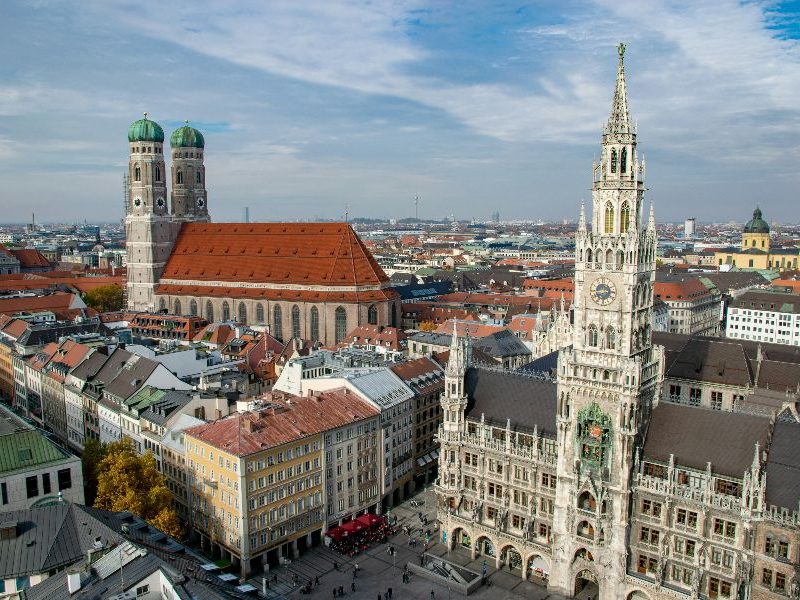
Bavaria’s capital blends beer-garden charm with serious culture — the walkable Old Town, world-class museums, and easy access to castles and mountains. Visit in late September for Oktoberfest, or any other month for the same warm hospitality.
03
Neuschwanstein Castle
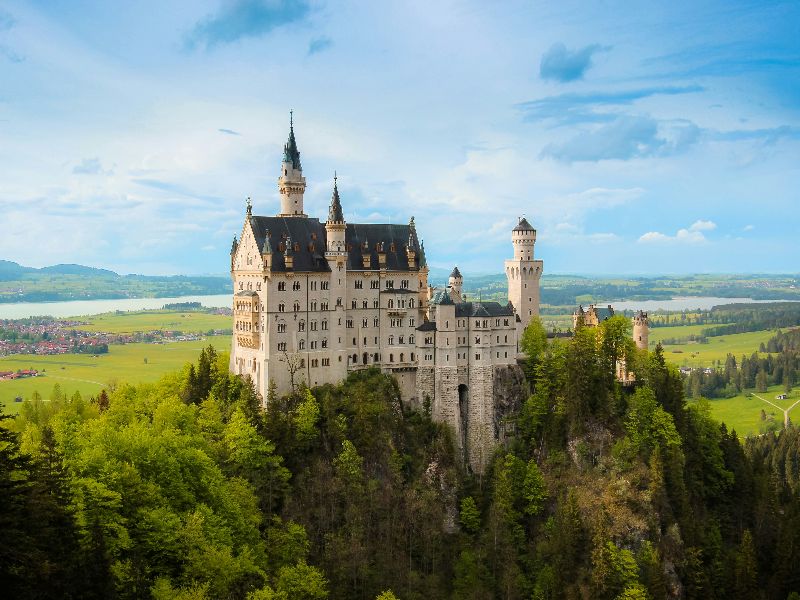
King Ludwig II’s fairy-tale fantasy rises from the Bavarian Alps like something out of a storybook — because it literally inspired one (Disney’s Sleeping Beauty Castle). Visit early or in fall to beat the crowds that flock here year-round.
04
Rhine Valley
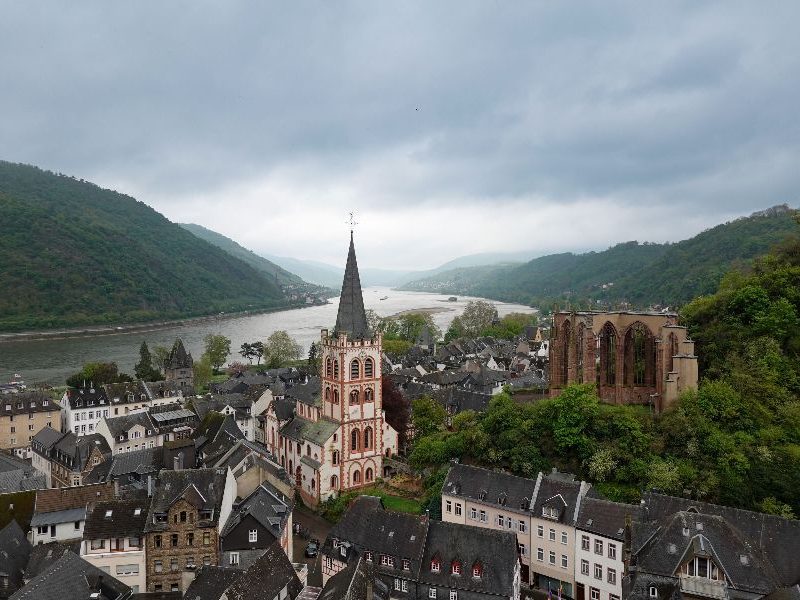
Storybook castles perch on hilltops above terraced vineyards along one of Europe’s most scenic stretches of river. Cruise between towns, sip Riesling at a cellar door, or just watch the valley unfold from a slow-moving train.
05
Black Forest
Dense, fairy-tale forests hide waterfalls, half-timbered villages, and the spa town of Baden-Baden at the southern edge. Drive the scenic Schwarzwaldhochstraße, hike between valleys, and don’t leave without trying an actual Black Forest cake.
CATEGORY 01
Cities & Culture

Berlin
History lives on every corner here — from Cold War checkpoints to world-class museums on an island built for them. Berlin doesn't sanitize its past; it builds a fascinating, forward-looking city right on top of it. — Best for: history buffs, art lovers, night owls
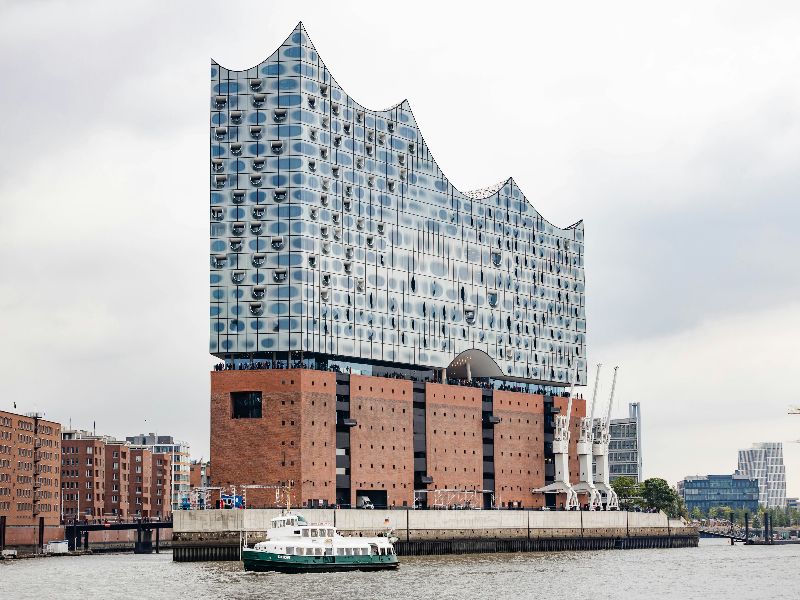
Hamburg
Germany's gateway to the sea trades castles for cranes and canals — more bridges than Venice and Amsterdam combined, plus a striking modern concert hall rising from the old harbor. — Best for: architecture fans, port-city lovers, day-trippers from Berlin
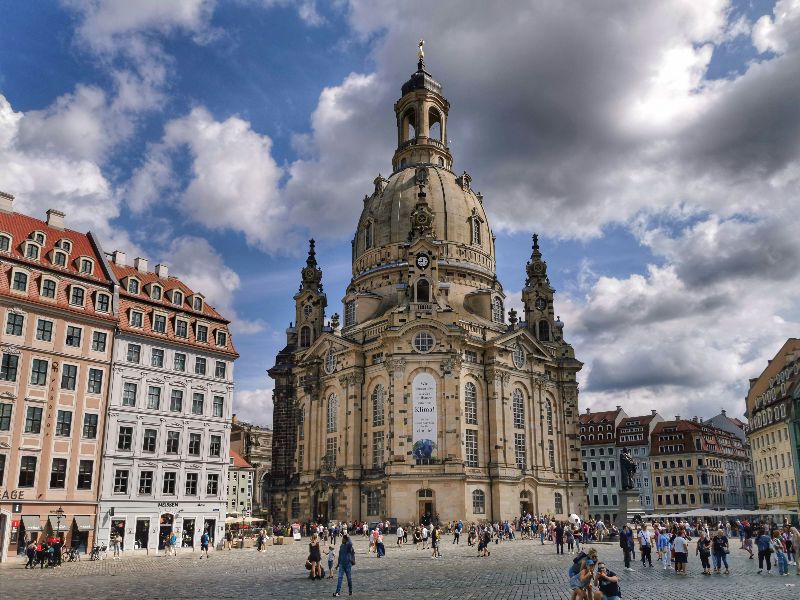
Dresden
Nearly leveled in World War II, Dresden rebuilt its baroque old town stone by stone, earning the nickname 'Florence on the Elbe.' The result is a city that feels both ancient and remarkably resilient. — Best for: architecture lovers, history buffs, art enthusiasts
CATEGORY 02
Nature & Landscapes

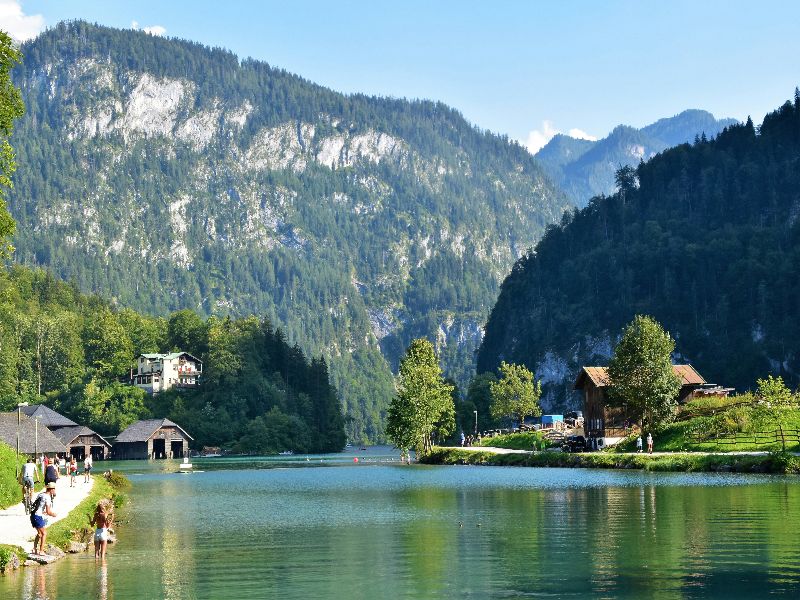
Bavarian Alps
Germany's highest peaks rise dramatically along the Austrian border, home to turquoise alpine lakes and hiking trails that rival anything in Switzerland. — Best for: hikers, skiers, mountain photographers
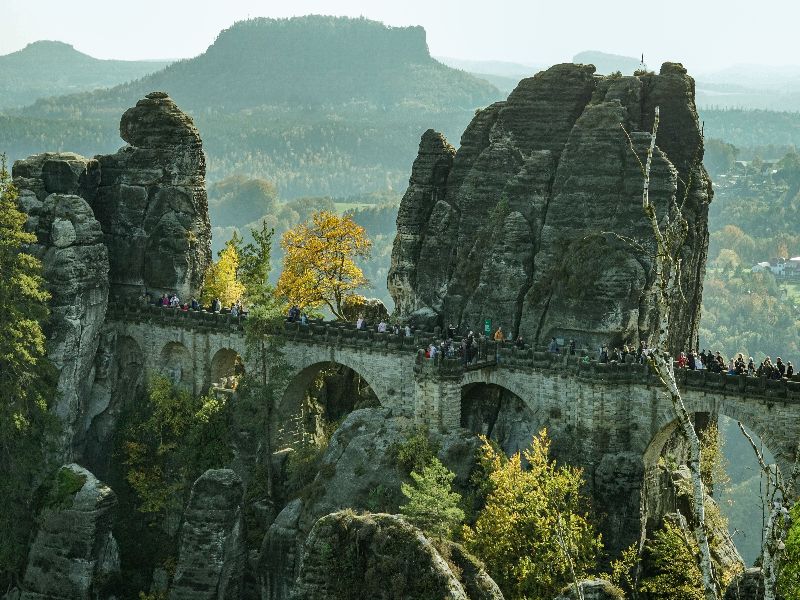
Saxon Switzerland
Despite the name, this dramatic landscape of sandstone cliffs and table mountains sits entirely in Germany, just outside Dresden. The Bastei Bridge views alone are worth the day trip. — Best for: hikers, rock climbers, day-trippers from Dresden
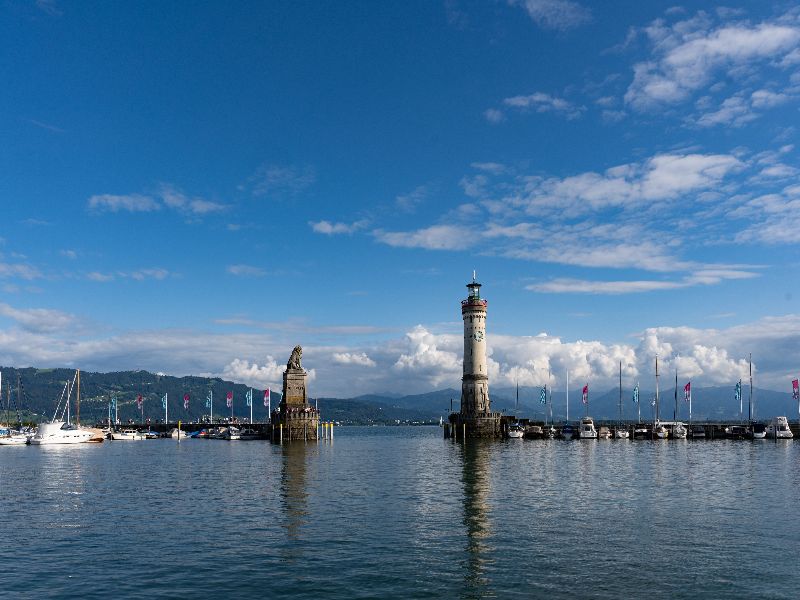
Lake Constance
Where Germany, Switzerland, and Austria meet around a vast alpine lake dotted with flower islands, vineyards, and medieval towns. Cycle the shoreline or take a ferry between three countries in a single afternoon. — Best for: cyclists, families, slow travelers
CATEGORY 03
Coast & Beaches

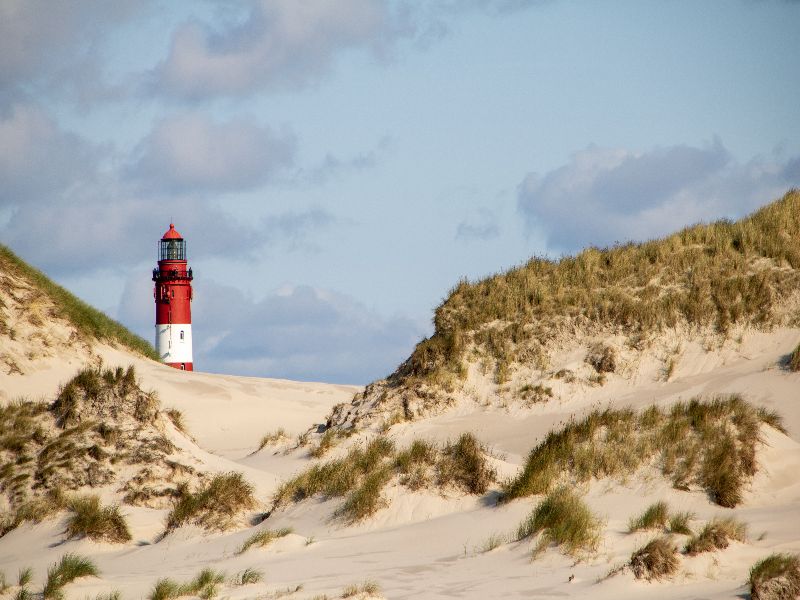
Sylt
Germany's most exclusive island draws a glamorous crowd to its windswept dunes and thatched-roof villas. Long sandy beaches meet a laid-back, upscale energy — think Hamptons, but with better seafood. — Best for: beach lovers, luxury travelers, windsurfers
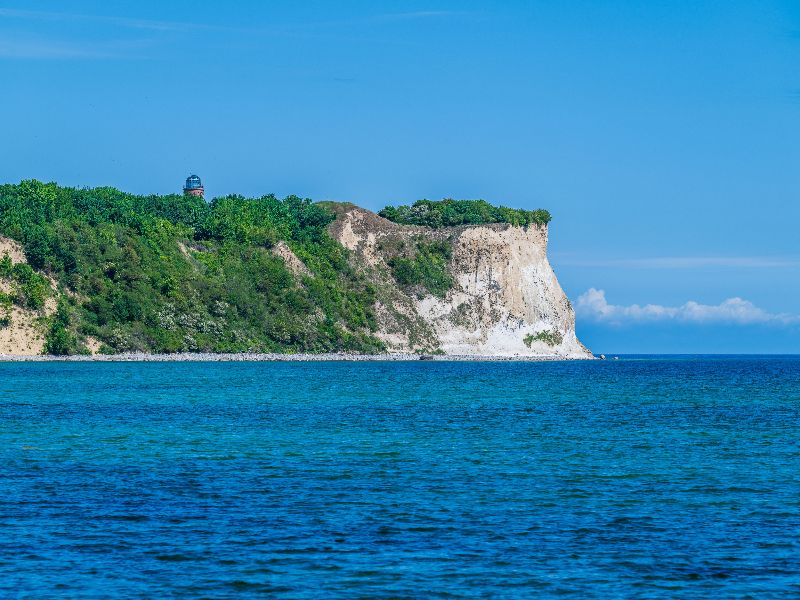
Rügen
Germany's largest island is famous for its dramatic white chalk cliffs rising straight out of the Baltic Sea, immortalized by Romantic painter Caspar David Friedrich. Add pristine beech forests and elegant seaside resort towns. — Best for: hikers, photographers, nature lovers
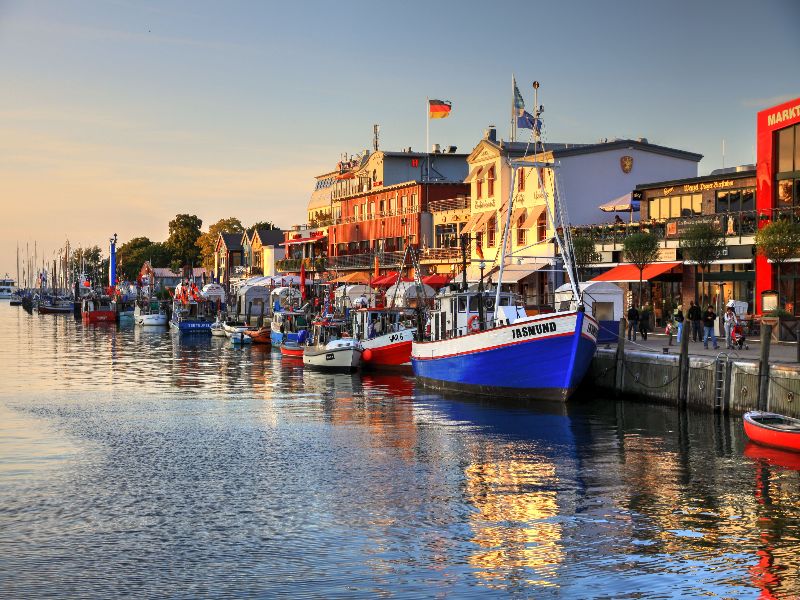
Baltic Coast
Fine white-sand beaches meet centuries-old Hanseatic port towns along Germany's northern edge. Warnemünde's colorful fisherman's cottages and Rostock's brick Gothic architecture make this a quieter alternative to the North Sea islands. — Best for: families, history buffs, budget beach trips
CATEGORY 04
Food & Wine

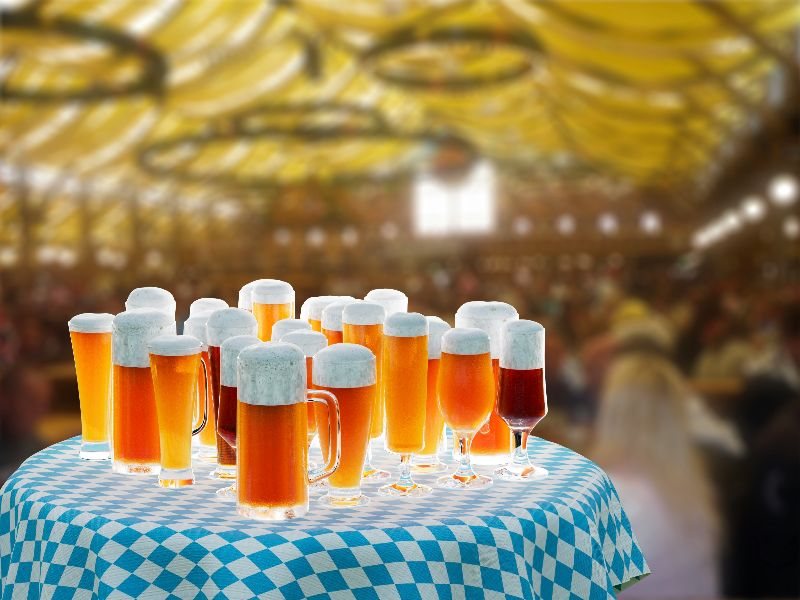
Oktoberfest
Beer isn't just a drink in Bavaria — it's a way of life, protected by a 500-year-old purity law and celebrated in beer gardens across the region. Skip Oktoberfest crowds and visit a local Biergarten any time of year for the same warm hospitality. — Best for: beer lovers, foodies, social travelers
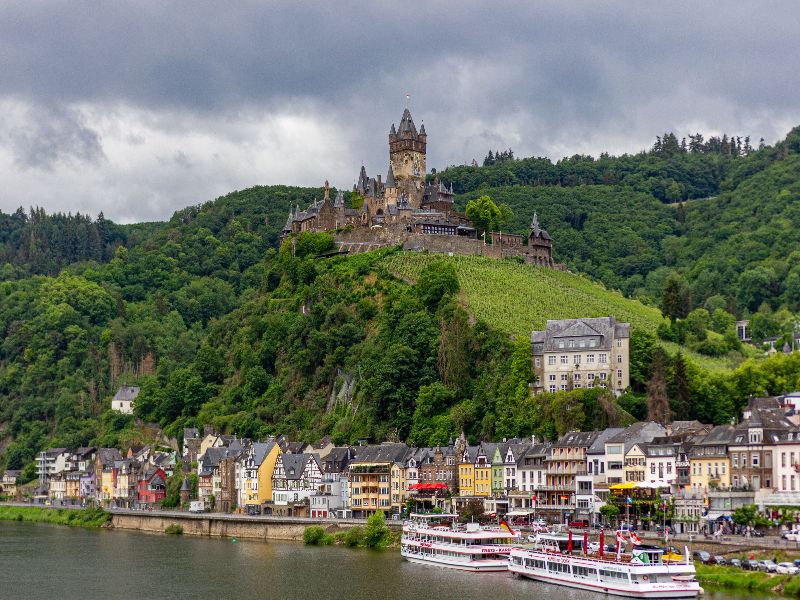
Rhine & Mosel Valley
Steep vineyard slopes tumble down to riverbanks along Germany's most celebrated wine region, producing some of the world's finest Riesling. Stop at a family-run winery, and you'll likely leave with more bottles than you planned. — Best for: wine lovers, road trippers, scenic drives
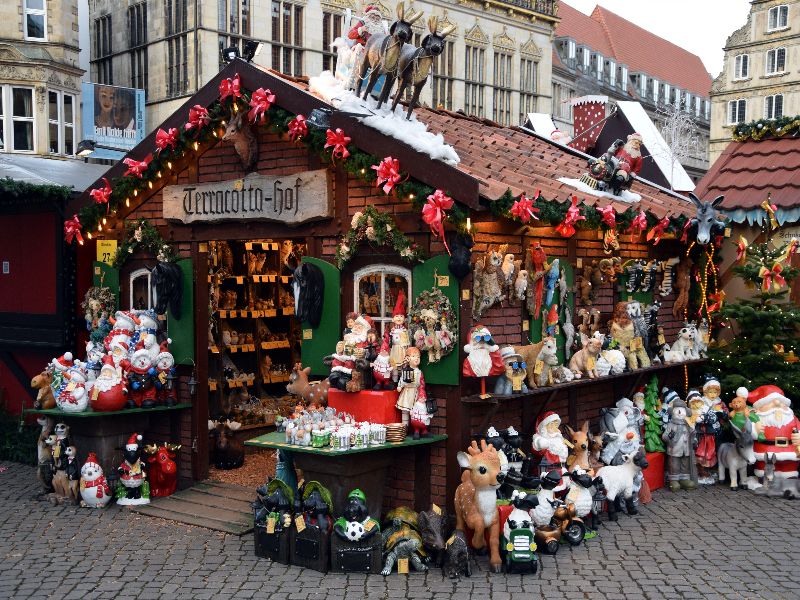
Nuremberg
Home to Germany's most famous Christmas market and the birthplace of the classic bratwurst, Nuremberg blends medieval charm with hearty Franconian cooking. Visit in December for the full magic, or any season for the sausages alone. — Best for: foodies, Christmas market lovers, history buffs
CATEGORY 05
Hidden Gems

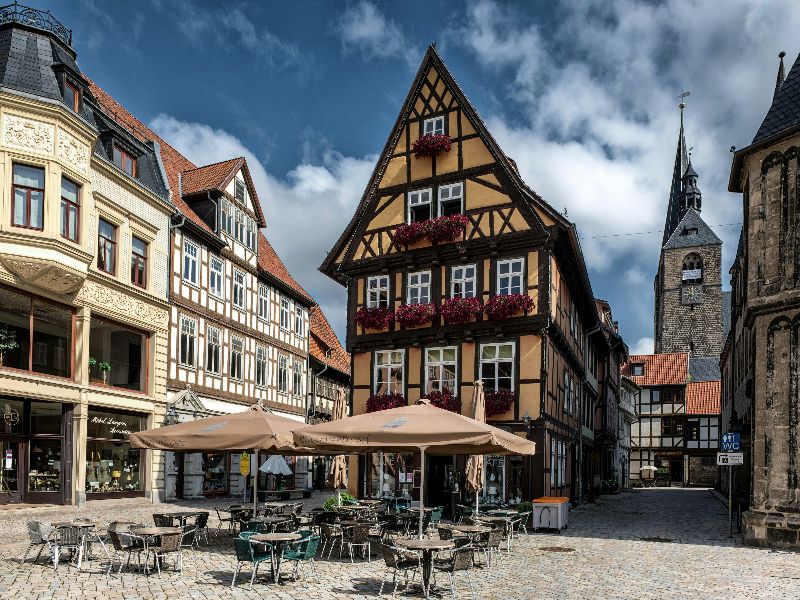
Quedlinburg
With over 1,300 half-timbered houses spanning six centuries, Quedlinburg is one of the best-preserved medieval towns in all of Europe — and remarkably few tourists have discovered it yet. Wander cobblestone streets that feel frozen in time. — Best for: architecture lovers, photographers, quiet getaways
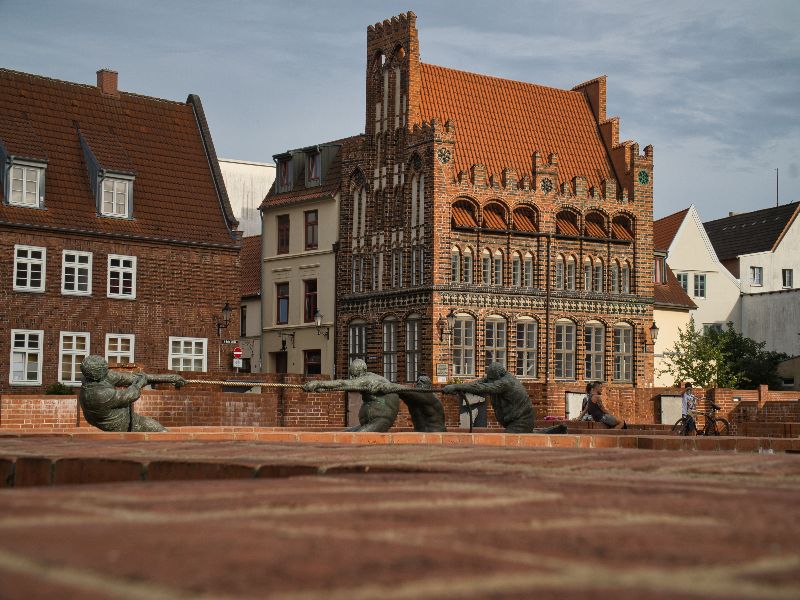
Wismar & Stralsund
Two UNESCO-listed Hanseatic port towns on the Baltic coast, packed with red-brick Gothic churches and merchant houses that recall Germany's medieval trading power. Far quieter than Hamburg, and just as photogenic. — Best for: history buffs, architecture lovers, off-the-beaten-path travelers
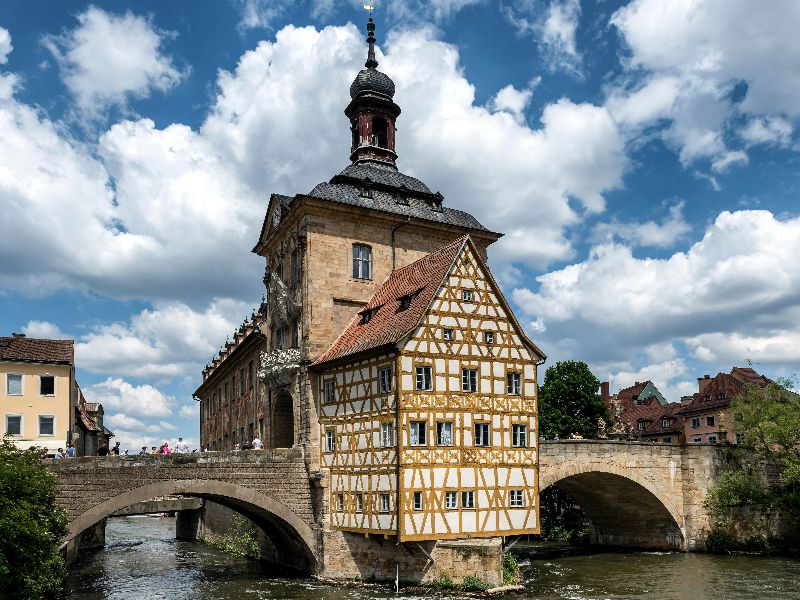
Bamberg
Spared from WWII bombing, Bamberg's entire old town is a UNESCO World Heritage Site, packed with half-timbered houses and a town hall improbably built on an island in the river. Don't leave without trying Rauchbier — the city's famous smoked beer. — Best for: history buffs, beer enthusiasts, architecture lovers
CATEGORY 06
Day Trips & Itineraries

Munich → Neuschwanstein Castle (Half day)
Germany's most famous fairy-tale castle sits just under two hours from Munich by train and bus. Book tickets in advance — this is one of the most visited castles in Europe, and same-day walk-ups often sell out
Berlin → Potsdam & Sanssouci Palace (Half day)
Prussian royalty built their most extravagant palaces just outside Berlin — Sanssouci's rococo gardens rival Versailles on a smaller, easier-to-visit scale. Regional trains connect the two cities in about 25 minutes.
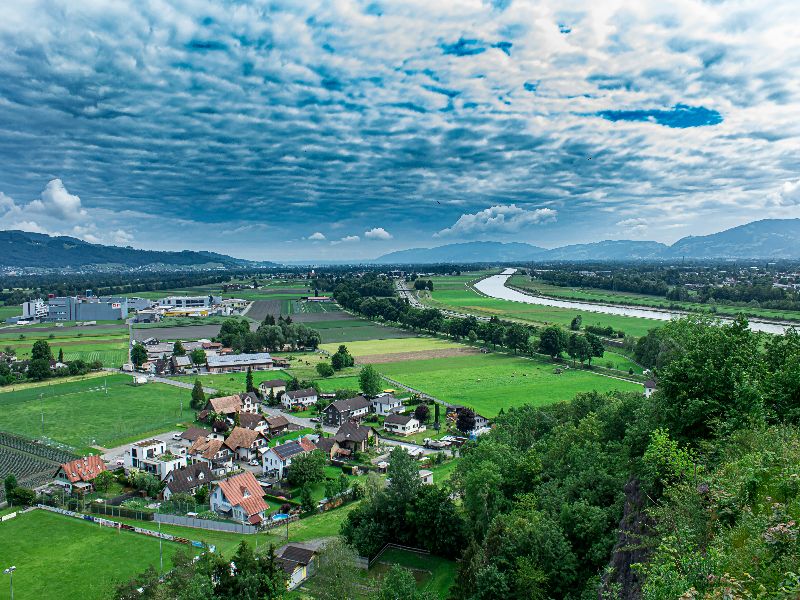
Frankfurt → Rhine Valley & Castles (Half day)
Storybook castles perch on hilltops above the Rhine's terraced vineyards, just an hour from Frankfurt by train. Hop off at Rüdesheim or Bacharach for wine tasting, or stay on the train for the full scenic route along the river
PLAN YOUR GERMANY TRIP
Everything you need to book your trip, from accommodation and flights to transport and experiences
EXPERIENCE
Discover tours, attractions and activities to make your Germany trip unforgettable.
BEFORE YOU GO
Practical Information
Visa & Entry
For EU, EEA and Swiss citizens: No visa is required for short stays. A valid national ID card or passport is sufficient.
For visa-exempt non-EU travelers (including US, Canadian, Australian and UK citizens): Visa-free visits are limited to 90 days in any 180-day period across the Schengen Area.
ETIAS: The EU travel authorisation is expected to start in the last quarter of 2026. It is not yet in operation, and no application is required at this time. Check official EU ETIAS updates before travelling.
For travelers who need a visa: Apply for a Schengen short-stay visa (Type C) through the German consulate or an authorised visa centre. Applications must be submitted at least 15 days before travel and can be submitted up to 6 months in advance. Check the consulate’s guidance and appointment availability.
Passport validity for non-EU travelers: Your passport must be valid for at least 3 months after your planned departure from the Schengen Area and must have been issued within the previous 10 years.
This information is provided as general guidance only and does not constitute legal or immigration advice — always verify current entry requirements with official sources before traveling.
Safety
Safety in Germany: Germany is generally safe for tourists, but pickpocketing and bag snatching can occur in crowded tourist areas, public transport, major train stations and busy shopping streets.
Petty crime: Keep valuables secure, remain alert in crowded places and avoid leaving bags or phones unattended. Never leave luggage or valuables visible inside a parked car.
Public transport and demonstrations: Watch your belongings on trains, buses and urban transport. Strikes and demonstrations can disrupt transport at short notice. Avoid large gatherings if tensions arise and check for travel updates before setting out.
Road safety and outdoor activities: Follow local traffic rules, particularly in pedestrian zones and cycling areas. When hiking or exploring mountainous regions, check weather forecasts and trail conditions before departure.
Emergency number: Call 112 for medical emergencies and fire services. For police emergencies, call 110. Both numbers are free.
Etiquette & Culture
German culture values punctuality, courtesy, direct communication and respect for rules. Customs may vary by region, so follow local guidance and be considerate of residents.
Greetings & Social Etiquette: Use Guten Morgen (good morning), Guten Tag (hello/good day) or Guten Abend (good evening) when greeting people. A handshake is common when meeting someone for the first time. Use Sie in formal situations and du with friends or when invited to do so.
Punctuality & Respect: Be punctual for appointments, tours and reservations. Arriving late without notice is generally considered impolite. Respect personal space and communicate directly and politely.
Dining Etiquette: Wait until everyone has been served or the host invites you to start eating. Say Guten Appetit before a meal. Keep your hands visible on the table, and check whether service is included before tipping. Rounding up the bill or leaving around 5–10% for good service is customary.
Culture & Traditions: German traditions vary by region, with Christmas markets, Oktoberfest, local festivals and seasonal celebrations playing an important role. Regional food, music and customs are an important part of local identity.
Public Behaviour: Respect queues, traffic rules and pedestrian signals, even when roads appear empty. Keep noise down during quiet hours (Ruhezeiten), particularly on Sundays and public holidays. Separate waste according to local recycling rules and avoid jaywalking.
Health
Healthcare: Germany has a well-developed healthcare system, with public hospitals, emergency departments and medical practices available throughout the country. Healthcare services are generally of a high standard, although private treatment can be expensive.
European Health Insurance Card (EHIC): EU travellers should carry a valid EHIC to access medically necessary care through Germany’s public healthcare system and participating providers. Co-payments may apply, and the card does not cover private healthcare or repatriation. Travel insurance is recommended.
Pharmacies: Pharmacies (Apotheken) are widely available and usually identified by a red letter A. For evenings, Sundays and public holidays, check the local emergency pharmacy service (Apotheken-Notdienst) for the nearest open pharmacy.
Emergency medical assistance: Call 112 for ambulance and fire emergencies. For urgent medical problems that are not life-threatening, call 116117 to reach the out-of-hours medical service.
Useful Phrases
Greetings & Courtesy
Hello — Hallo
Thank you — Danke
Please / You’re welcome — Bitte
Getting Around
Where is the train station? — Wo ist der Bahnhof?
How much does this cost? — Wie viel kostet das?
Do you speak English? — Sprechen Sie Englisch?
At Restaurants & Shops
A table for two, please — Einen Tisch für zwei, bitte
The bill, please — Die Rechnung, bitte
Can I pay by card? — Kann ich mit Karte bezahlen?
Emergencies
Help! — Hilfe!
I need a doctor — Ich brauche einen Arzt
Call the police, please — Rufen Sie bitte die Polizei
Ready to plan your Germany trip?
Let us build a custom itinerary, or browse our ready-made packages.