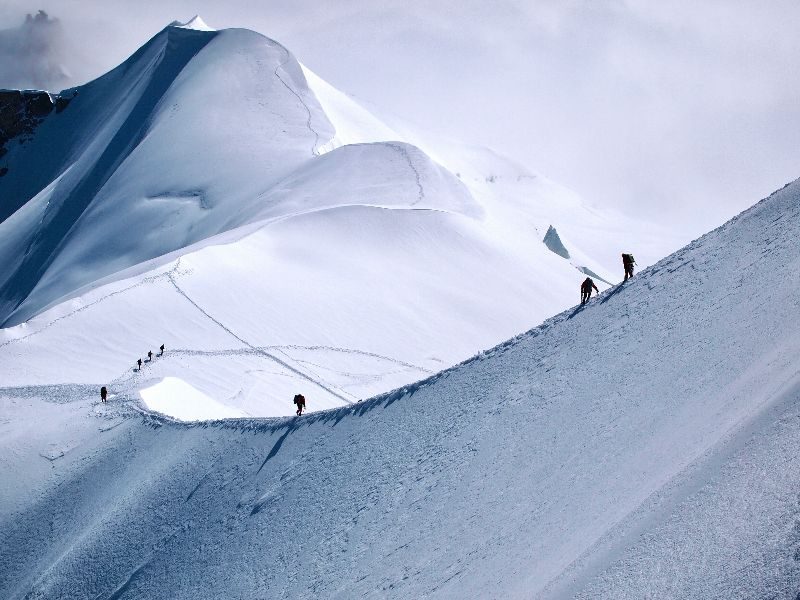
Where Paris meets the Riviera, the Alps meet the vineyards.

France

France is the country that taught the world about food, fashion, and the art of slowing down. From the grand boulevards of Paris to the lavender fields of Provence, from Alpine peaks to Mediterranean coves, no two regions feel alike — yet every one of them feels unmistakably French. Whether you’re chasing croissants, castles, or coastlines, this is where your European story can begin.

CURRENCY

Euro (€)

BEST TIME TO VISIT

Apr–Jun, Sep–Oct

GETTING THERE

Paris, Nice, Lyon

GETTING AROUND

TGV high-speed rail

FRANCE
Iconic places.
Unforgettable experiences.

France at a Glance

How does this destination fit your travel style?

🏛
Culture & History
4.9
i

56 UNESCO World Heritage properties give France one of Europe's deepest cultural portfolios.

✅ France has 56 properties on the UNESCO World Heritage List, including major sites well beyond Paris.

⚠️ The most famous landmarks can become extremely busy during peak periods; advance planning and exploring beyond the headline sights usually improves the experience.

🏙
City Breaks
4.9
i

From Paris to Lyon, Nice, Bordeaux and Strasbourg, France offers very different city-break experiences within one country.

✅ The national rail network makes combining major cities practical without relying on domestic flights.

⚠️ Paris can dominate a first visit; travellers wanting a broader experience should deliberately include at least one regional city.

🍴
Food & Drink
4.9
i

From Michelin dining to regional markets — depth most countries can't match.

✅ The 2026 MICHELIN Guide lists 668 starred restaurants across France, including 62 new additions, with the selection extending well beyond Paris.

⚠️ The most sought-after fine-dining restaurants require advance planning, while restaurants immediately around major tourist landmarks can offer weaker value.

👨‍👩‍👧
Family Friendly
4.6
i

France combines cities, beaches, mountains, museums and major family attractions in one destination.

✅ Disneyland Paris has welcomed more than 375 million visitors since opening, while France also offers extensive family attractions across different regions.

⚠️ France is geographically large; trying to combine too many regions can create long travel days, especially for families.

⛰
Nature & Outdoors
4.7
i

Alpine peaks, Mediterranean and Atlantic coastlines, forests and overseas territories give France exceptional geographic variety.

✅ France has 11 national parks, from the Alps and Pyrenees to the Mediterranean and overseas territories.

⚠️ Conditions vary significantly by region and season, so the best destination depends heavily on the activity and travel dates.

🚆
Getting Around
4.9
i

France has one of Europe's strongest rail networks for travelling between major cities.

✅ The network has around 28,000 km of lines in operation and about 3,000 stations, including around 2,700 km of high-speed passenger lines.

⚠️ Rail is excellent between major cities, but a car becomes much more useful for villages, rural areas and some coastal or mountain itineraries.

🛡️
Safety
4.2
i

France is generally safe for tourists, but the main risks are concentrated in crowded urban and tourist areas.

✅ France has well-established emergency services, with police, medical and fire services available throughout the country. The European emergency number 112 is available nationwide.

⚠️ Pickpocketing and phone theft are common in crowded places, particularly around major tourist attractions, stations and public transport. Demonstrations can also occur, sometimes with little warning.

🪙
Value for Money
3.5
i

France can deliver exceptional experiences at many budgets, but its most famous destinations are rarely among Europe's cheapest.

✅ Travelling outside Paris and outside peak periods can materially improve value, with a broad accommodation market across the country.

⚠️ In 2025, the national average price for a 2-star hotel room with breakfast ranged from €92.69 in January to €102.41 in June. Major tourist centres can be considerably more expensive.

Overall Travel Score
4.6 / 5

Top 5 Destinations in France

01

paris tour eifel

PARIS

The capital needs no introduction, but it always exceeds expectations. France’s most-visited city blends iconic landmarks with everyday romance — café terraces, river walks, and world-class art at every turn.

02

french riviera

Côte d'Azur

Glamour meets the Mediterranean along France’s most photographed coastline. From Nice’s pebble beaches to Cannes’ red-carpet glitz, the Riviera delivers sunshine, style, and seaside charm in equal measure.

03

mont saint michel

Mont Saint-Michel

A Gothic abbey rises from the sea on this tidal island in Normandy. Walk its cobblestone streets at low tide, then watch the water reclaim the causeway — one of France’s most otherworldly sights.

04

provence

Provence

Lavender fields, hilltop villages, and golden light that painters have chased for centuries. Provence moves at its own slow rhythm — market mornings, long lunches, and views that stretch all the way to the Luberon.

05

mont blanc

Chamonix-Mont Blanc

Western Europe’s highest peak towers over this alpine town, host of the first Winter Olympic Games in 1924. Ski legendary slopes in winter, hike spectacular trails in summer — Chamonix delivers mountain drama in every season.

CATEGORY 01

Cities & Culture

paris tour eifel

Paris

The capital needs no introduction, but it always exceeds expectations anyway. Slow mornings in Montmartre, river walks along the Seine, and an unreasonable number of pastries. — Best for: first-time visitors, art lovers, romantics
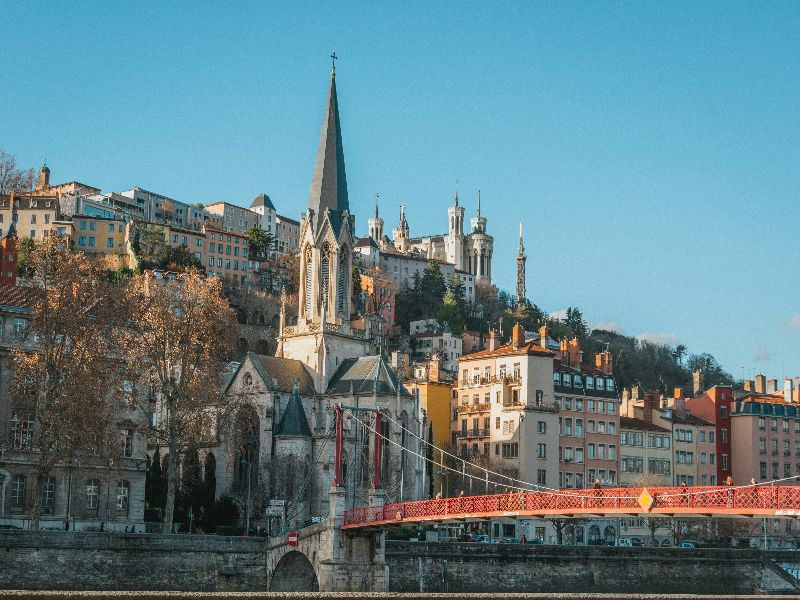
lyon

Lyon

France's food capital, without the Paris price tag. A UNESCO-listed old town and some of the country's best regional cooking. — Best for: foodies, culture without crowds
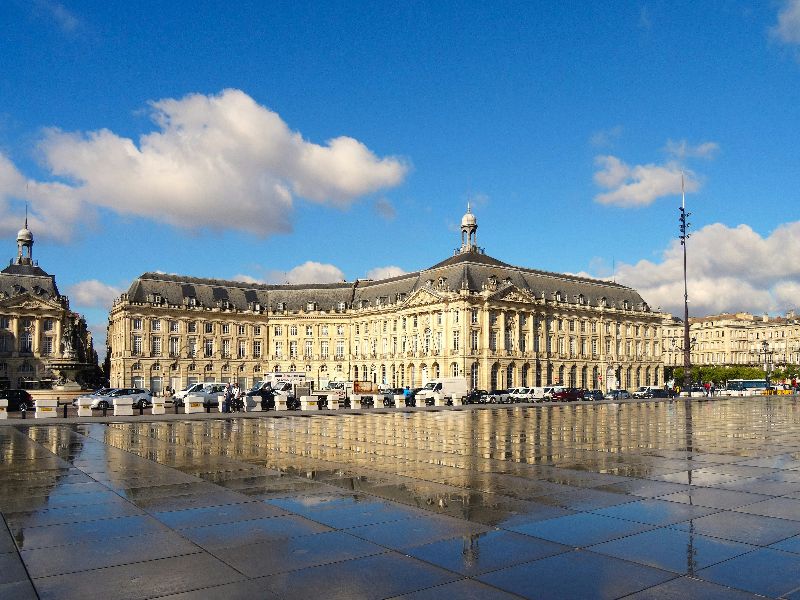
bordeaux

Bordeaux

Where the wine is the main character, but the city itself reinvented its riverfront into one of the most walkable, elegant urban spaces in France. — Best for: wine lovers, architecture fans, slow city breaks
CATEGORY 02

Nature & Landscapes

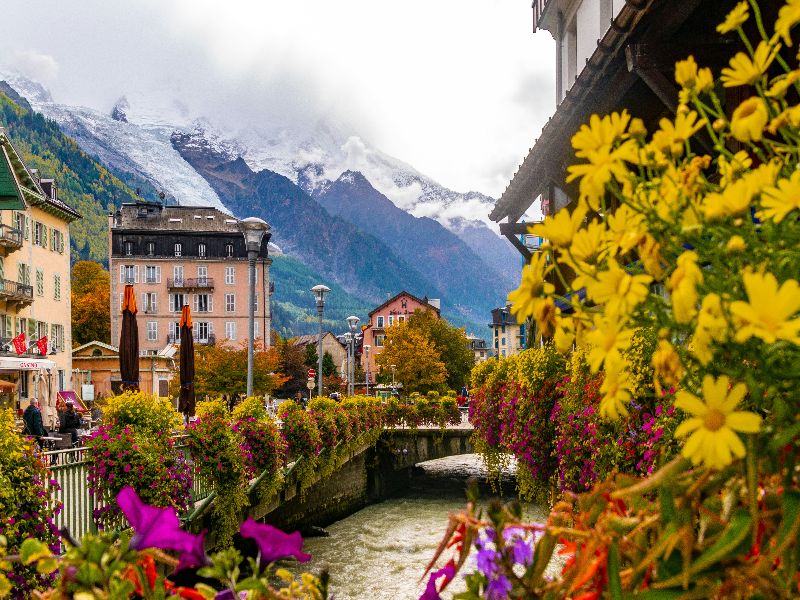
chamonix

The French Alps (Chamonix)

Sitting at the foot of Mont Blanc, Chamonix delivers alpine drama in every season — ski slopes in winter, hiking trails in summer. — Best for: hikers, skiers, mountain lovers
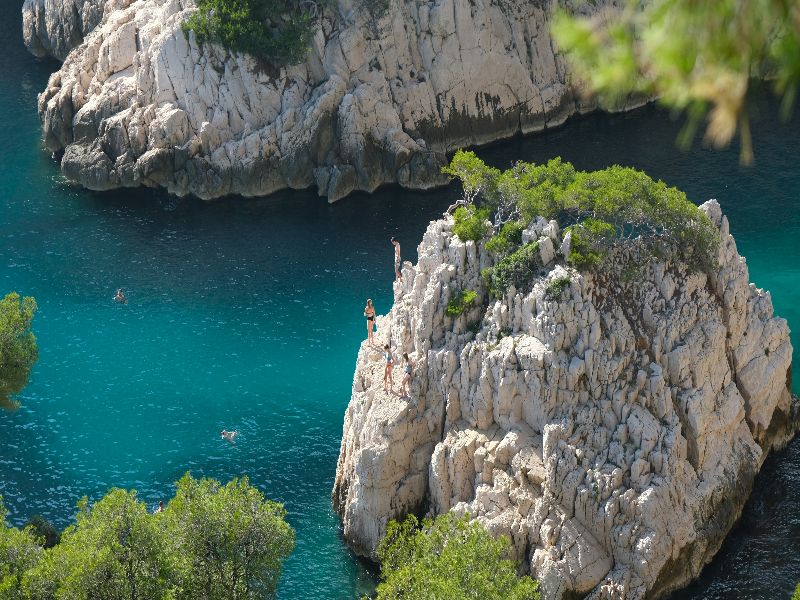
calanques national park

Calanques National Park

Limestone cliffs and turquoise inlets between Marseille and Cassis, feeling more Mediterranean island than mainland France. — Best for: nature lovers, swimmers, day-trippers
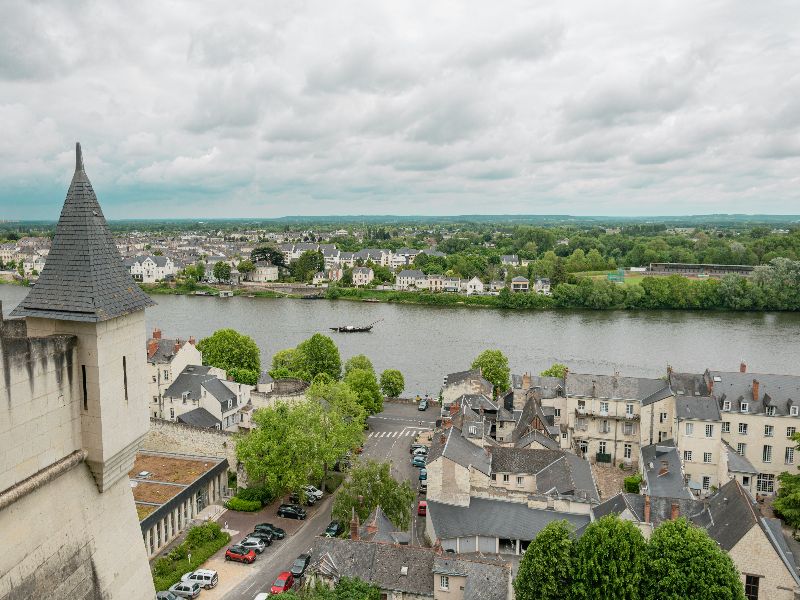
loire valley

Loire Valley

A UNESCO region where storybook châteaux rise out of rolling vineyards and quiet riverside towns. — Best for: history lovers, road trips, romantics
CATEGORY 03

Coast & Beaches

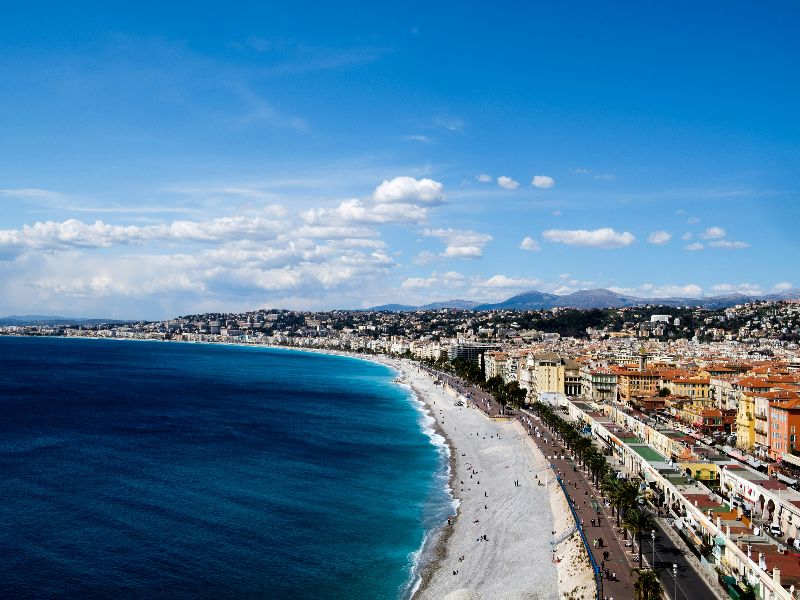
the french riviera

The French Riviera

The glamorous south, where palm-lined promenades meet pebble beaches and the Mediterranean turns an impossible shade of blue. — Best for: sunshine seekers, couples, luxury

Étretat & the alabaster coast

Étretat & the Alabaster Coast

Dramatic white chalk cliffs and natural arches that have inspired painters for over a century. — Best for: photographers, easy day trips from Paris
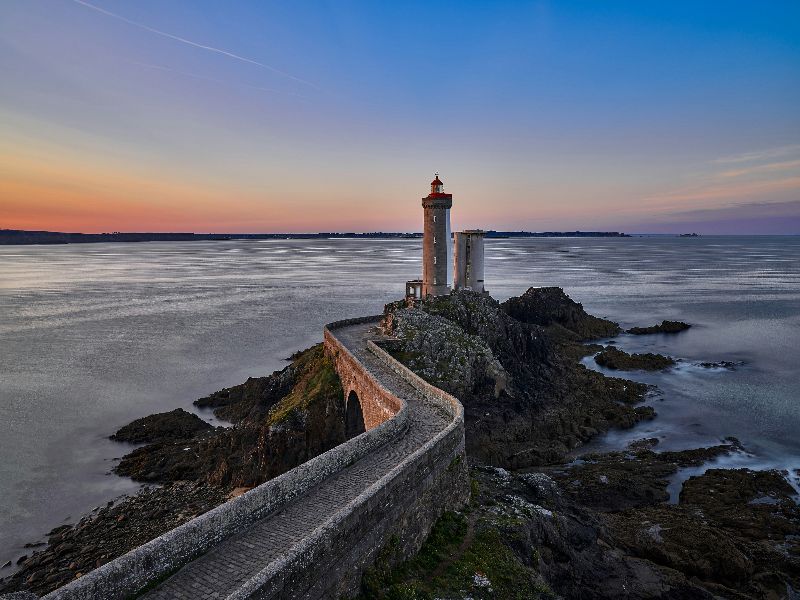
brittany's wild coast (1)

Brittany's Wild Coast

Rugged, Celtic-flavored, and far less crowded than the south — dramatic capes, hidden coves, walled seaside towns. — Best for: coast without crowds, seafood lovers

CATEGORY 04

Food & Wine

vineyard bordeaux

Bordeaux Wine Region

The name that built France's reputation as a wine nation, from grand estates to small family-run cellars. — Best for: wine enthusiasts, slow countryside days
alsace wine route

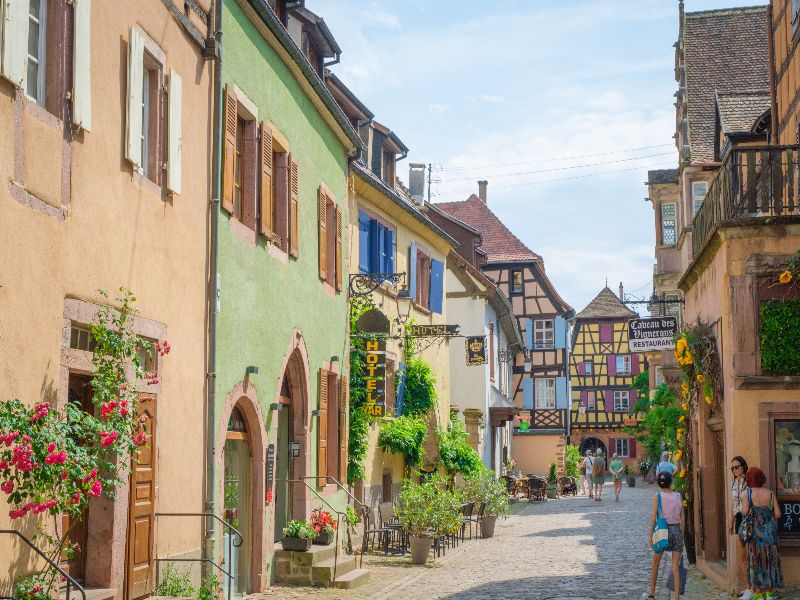
Alsace Wine Route

A 170km route through fairy-tale villages and vineyards producing Riesling and Gewürztraminer. — Best for: scenic drives, photographers
champagne region

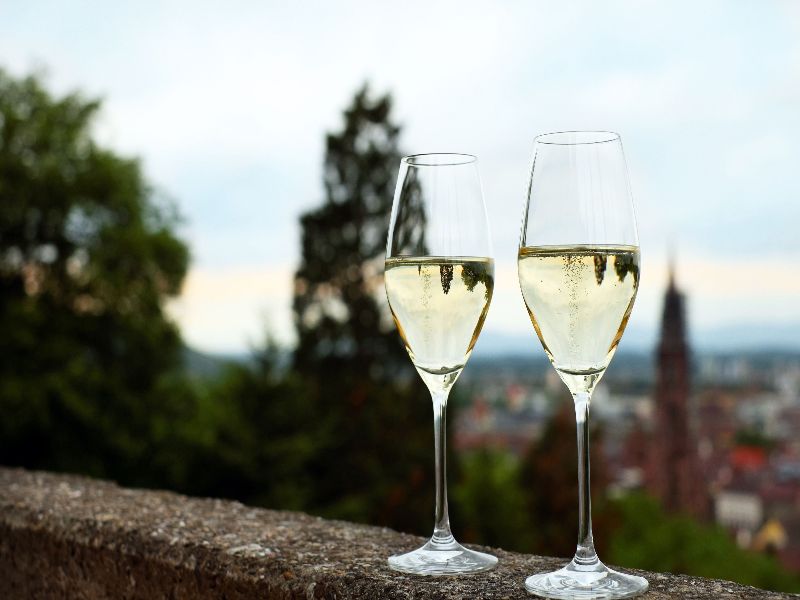
Champagne Region

An hour from Paris, the rolling chalk hills around Reims and Épernay make the world's most celebrated sparkling wine. — Best for: special-occasion trips, day trips from Paris
CATEGORY 05

Hidden Gems

annecy

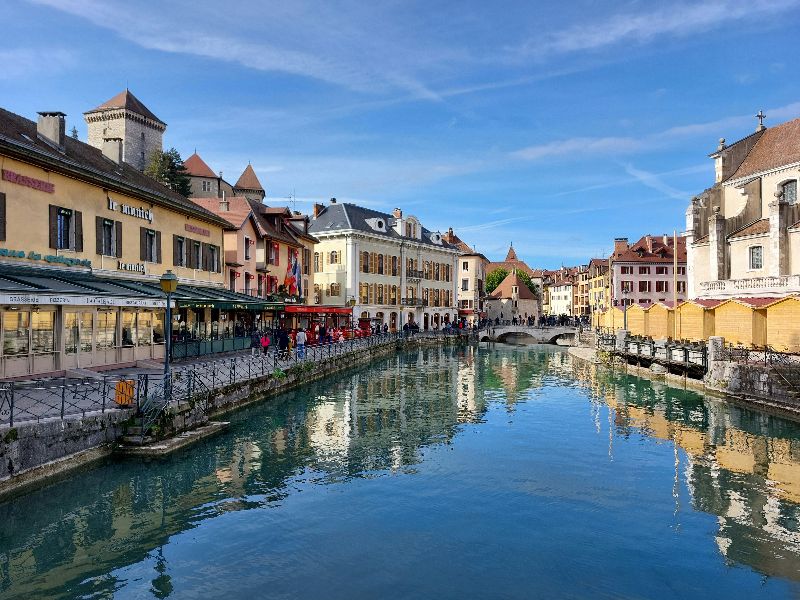
Annecy

Nicknamed the "Venice of the Alps," combining crystal-clear canals, pastel façades, and a lake ringed by mountains. — Best for: couples, lake lovers

eguisheim & colmar

Eguisheim & Colmar

Storybook villages with flower-covered, half-timbered houses that look almost too perfect to be real. — Best for: slow travel, photography

rocamadour

Rocamadour

A medieval village built vertically into a cliffside in the Dordogne, with chapels stacked above the valley. — Best for: history lovers, dramatic scenery
CATEGORY 06

Day Trips & Itineraries

versailles

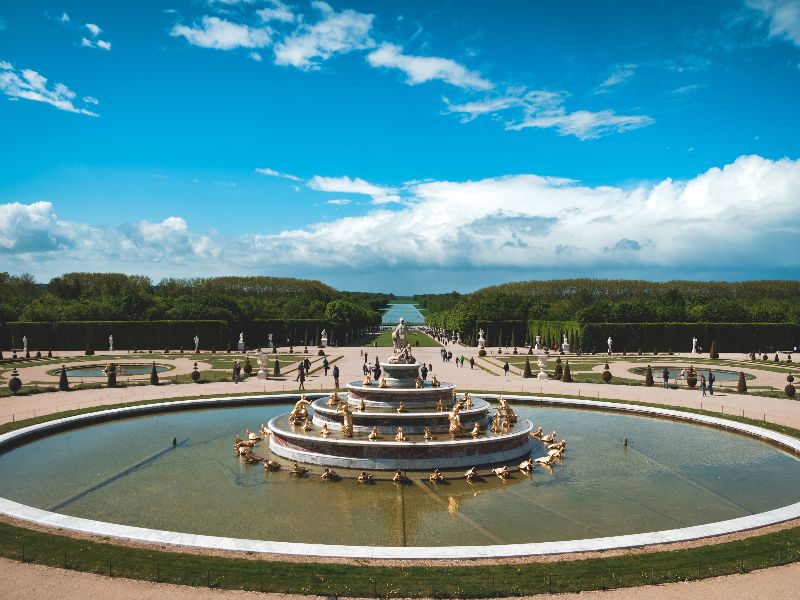
Paris → Versailles Gardens & Palace (Half day)

The Palace of Versailles and its gardens — an easy half-day trip by train from central Paris. Trains run frequently from Gare Montparnasse, and tickets can be combined with palace entry for a smoother visit.
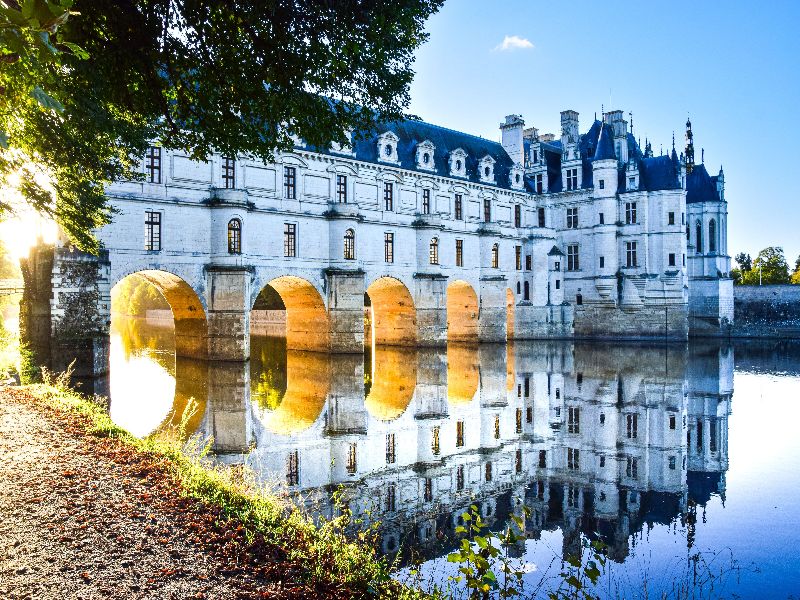
loire valley châteaux

Paris → Loire Valley châteaux (1–2 days)

Chambord, Chenonceau, and Villandry — easy to combine into an overnight trip or a long day. Renting a car gives the most flexibility, though guided day tours from Paris are also widely available.

mont saint michel

Paris → Normandy Coast & Mont Saint-Michel (1–2 days)

The tidal island-abbey, D-Day beaches, and Étretat's cliffs in one coastal-historical loop. Check tide times before you go — the causeway can flood at high tide, so timing your visit matters.

PLAN YOUR FRANCE TRIP

Everything you need to book your trip, from accommodation and flights to transport and experiences

STAY

Find hotels and accommodation for your France trip.

FLY

Compare flights and find the best options for your trip to France

MOVE

Book train tickets to get around France with ease.

DRIVE

Compare car rental options and find the right vehicle in France

EXPERIENCE

Discover tours, attractions and activities to make your  trip unforgettable

BEFORE YOU GO

Practical Information

Visa & Entry

For EU, EEA and Swiss citizens: No visa is required. You can travel to France with a valid national ID card or passport.

For visa-exempt non-EU travelers (including US, Canadian, Australian and UK citizens): Visa-free visits are limited to 90 days in any 180-day period across the Schengen Area.

ETIAS: The EU travel authorisation is expected to start in the last quarter of 2026. It is not yet in operation, and no application is required at this time. Check the official EU ETIAS website for the latest updates before travelling.

For travelers who need a visa: Apply for a Schengen short-stay visa (Type C) through the French consulate or its authorised visa centre. Applications must be submitted at least 15 days before travel and can be submitted up to 6 months in advance. Check the consulate’s guidance and appointment availability.

Passport validity for non-EU travelers: Your passport must be valid for at least 3 months after your planned departure from the Schengen Area and must have been issued within the previous 10 years.

This information is provided as general guidance only and does not constitute legal or immigration advice — always verify current entry requirements with official sources before traveling.

Safety in France: France is generally safe for tourists, but pickpocketing and bag snatching are common in crowded tourist areas, public transport and major train stations, particularly in Paris.

Petty crime: Keep valuables secure, carry your bag across your body and stay alert to distraction techniques. Never leave luggage or valuables visible inside a parked car.

Public transport and demonstrations: Watch your belongings on the Métro and RER trains. Demonstrations and strikes can cause disruption at short notice, so avoid large gatherings if tensions arise and check transport updates.

Public places and outdoor activities: Stay aware of your surroundings in crowded places. During hot weather, check local alerts for wildfires, extreme heat or other natural hazards, particularly in southern France and mountainous areas.

Emergency number: Call 112 for emergencies anywhere in France. You can also call 17 for police, 15 for medical emergencies or 18 for the fire service.

French culture places great importance on politeness, personal presentation, food traditions and respect for social conventions. Visitors are generally expected to use basic French greetings, observe dining customs and show consideration in public spaces. Customs and lifestyles can vary between regions.

Greetings & Social Etiquette

Use bonjour (hello/good morning) or bonsoir (good evening) when greeting people. Merci means thank you and s’il vous plaît means please. Always greet shopkeepers and restaurant staff when entering an establishment. A handshake is common in formal situations, while friends may greet with la bise, a kiss on each cheek.

Punctuality & Respect

Arrive on time for appointments, guided tours and restaurant reservations. Inform others if you expect to be late. Use vous rather than tu when addressing people you do not know, unless invited to be more informal. Respect personal space and avoid speaking loudly in public.

Dining Etiquette

Meals are often considered important social occasions. Wait until everyone has been served before starting to eat, and keep your hands visible on the table. Bon appétit means enjoy your meal. Bread is traditionally placed directly on the table rather than on a separate plate. Service is included in restaurant bills, but leaving a small tip for good service is appreciated.

Culture & Traditions

French culture is strongly associated with art, literature, fashion, gastronomy and regional heritage. Important celebrations include Bastille Day on 14 July, Christmas and Easter, alongside numerous regional festivals. Local food traditions, markets and cultural events are an important part of everyday life.

Public Behaviour

Respect queues, keep public spaces clean and follow local rules. Dress appropriately when visiting churches, memorials and formal establishments. Avoid loud conversations in residential areas, particularly at night, and follow restrictions on photography in museums and religious sites.

Healthcare: France has a well-developed public healthcare system, with hospitals, clinics and emergency departments throughout the country. Healthcare standards are generally high, although waiting times and access to specialists can vary by region. Private treatment may involve additional costs.

European Health Insurance Card (EHIC): Visitors from EU countries, including Romania, can use a valid EHIC to access medically necessary public healthcare during a temporary stay. Patient contributions may apply, and some costs may need to be paid upfront before reimbursement. The card does not cover private healthcare or medical repatriation, so travel insurance is recommended.

Pharmacies: Pharmacies (pharmacies) are widely available in cities and towns and are usually marked with a green cross. Opening hours vary, and designated duty pharmacies (pharmacies de garde) provide services at night, on Sundays and public holidays.

Emergency medical assistance: Call 112 for general emergencies or 15 (SAMU) for urgent medical assistance and ambulance services. Both numbers are free to call in France.

Greetings & Courtesy

  • Hello — Merhaba

  • Thank you — Teşekkür ederim

  • Please / You’re welcome — Lütfen / Rica ederim

Getting Around

  • Where is the train station? — Tren istasyonu nerede?

  • How much does this cost? — Bu ne kadar?

  • Do you speak English? — İngilizce konuşuyor musunuz?

At Restaurants & Shops

  • A table for two, please — İki kişilik bir masa, lütfen

  • The bill, please — Hesap, lütfen

  • Can I pay by card? — Kartla ödeyebilir miyim?

Emergencies

  • Help! — İmdat!

  • I need a doctor — Bir doktora ihtiyacım var

  • Call the police, please — Lütfen polisi arayın

Ready to plan your France trip?

Let us build a custom itinerary, or browse our ready-made packages.

cropped trips2europe favicon.png.png
Privacy Overview

This website uses cookies so that we can provide you with the best user experience possible. Cookie information is stored in your browser and performs functions such as recognising you when you return to our website and helping our team to understand which sections of the website you find most interesting and useful.