Where rolling vineyard hills meet authentic traditions in the warm heart of Eastern Europe.
Moldova
France is the country that taught the world about food, fashion, and the art of slowing down. From the grand boulevards of Paris to the lavender fields of Provence, from Alpine peaks to Mediterranean coves, no two regions feel alike — yet every one of them feels unmistakably French. Whether you’re chasing croissants, castles, or coastlines, this is where your European story can begin.
CURRENCY
Euro (€)
BEST TIME TO VISIT
Apr–Jun, Sep–Oct
GETTING THERE
Chisinau
GETTING AROUND
TGV high-speed rail
Unforgettable experiences.
Moldova at a Glance
How does this destination fit your travel style?
Moldova blends Romanian-language heritage with its own traditions, historic monasteries and a strong folk culture.
✅ Monasteries such as Căpriana and the painted churches, traditional villages and Chișinău’s museums offer insight into the country’s history.
⚠️ Many attractions are spread across the countryside, and information in English can be limited outside the capital.
Chișinău is the main base for a short urban visit, with parks, markets, museums and cafés.
✅ The capital is manageable for a relaxed two- or three-day stay, with day trips to wineries and nearby cultural sites.
⚠️ Moldova has fewer large, internationally known city-break destinations than many European countries.
Moldovan food draws on local produce and regional traditions, with hearty dishes and a notable wine culture.
✅ Look for mămăligă, plăcinte, seasonal produce and local wines, often served in welcoming family-run restaurants.
⚠️ Menus and opening information may not always be available in English, particularly outside Chișinău.
Moldova can suit families interested in food, countryside, local traditions and low-key cultural visits.
✅ Markets, parks, wineries with grounds and rural guesthouses can offer slower-paced experiences.
⚠️ Dedicated family attractions and extensive English-language services are more limited than in major European destinations.
Rolling countryside, river valleys, vineyards and forested areas give Moldova a pleasant rural character.
✅ Village stays, walking routes and scenic drives provide opportunities to explore beyond the capital.
⚠️ Mountain scenery and large protected wilderness areas are limited; transport and trail information can be patchy.
Buses and minibuses connect Chișinău with many towns, while taxis and rental cars can help with rural visits.
✅ The country is compact, so several major sights and wineries can be combined on a short itinerary.
⚠️ Public transport schedules, comfort and online booking options can be less straightforward than in much of the EU.
Moldova is generally manageable for visitors who take normal precautions and check local travel advice.
✅ Chișinău and established visitor areas are commonly visited without incident; keep valuables secure and use reputable transport.
⚠️ Check current official travel advice before visiting Transnistria or areas near the Ukrainian border, and avoid demonstrations.
Moldova is often an affordable European destination for accommodation, meals and local experiences.
✅ Local restaurants, guesthouses and winery visits can offer good value compared with many European capitals.
⚠️ International transport options can be limited, and some organised tours or imported products may cost more than expected.
Top 5 Destinations in France
01
PARIS
The capital needs no introduction, but it always exceeds expectations. France’s most-visited city blends iconic landmarks with everyday romance — café terraces, river walks, and world-class art at every turn.
02
Côte d'Azur
Glamour meets the Mediterranean along France’s most photographed coastline. From Nice’s pebble beaches to Cannes’ red-carpet glitz, the Riviera delivers sunshine, style, and seaside charm in equal measure.
03
Mont Saint-Michel
A Gothic abbey rises from the sea on this tidal island in Normandy. Walk its cobblestone streets at low tide, then watch the water reclaim the causeway — one of France’s most otherworldly sights.
04
Provence
Lavender fields, hilltop villages, and golden light that painters have chased for centuries. Provence moves at its own slow rhythm — market mornings, long lunches, and views that stretch all the way to the Luberon.
05
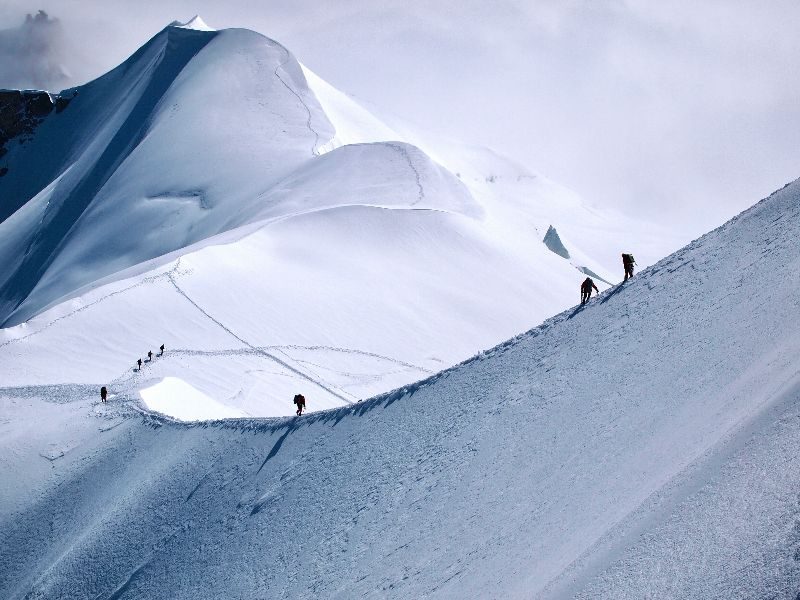
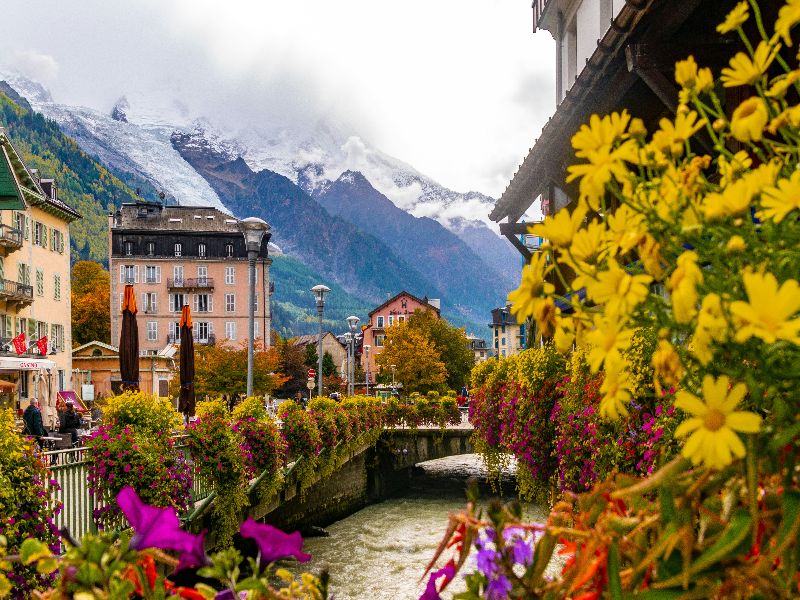
Chamonix-Mont Blanc
Western Europe’s highest peak towers over this alpine town, host of the first Winter Olympic Games in 1924. Ski legendary slopes in winter, hike spectacular trails in summer — Chamonix delivers mountain drama in every season.
CATEGORY 01
Cities & Culture

Paris
The capital needs no introduction, but it always exceeds expectations anyway. Slow mornings in Montmartre, river walks along the Seine, and an unreasonable number of pastries. — Best for: first-time visitors, art lovers, romantics
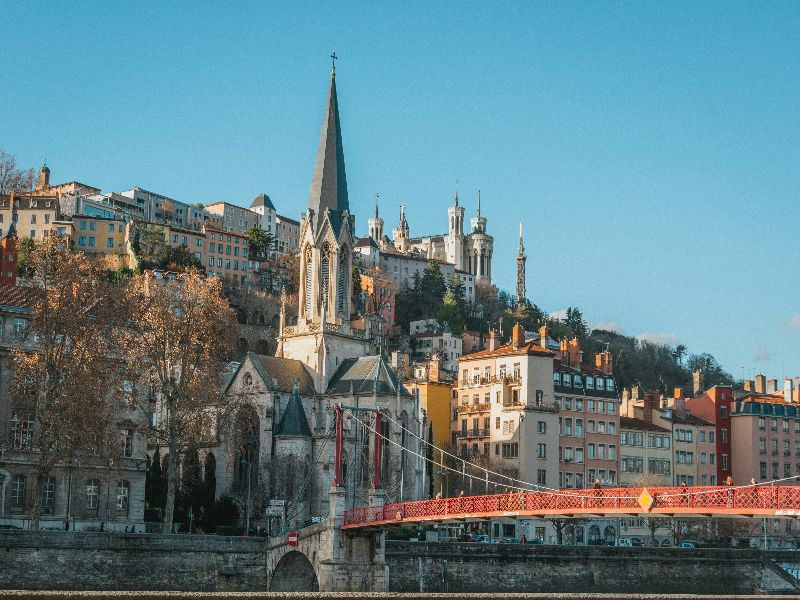
Lyon
France's food capital, without the Paris price tag. A UNESCO-listed old town and some of the country's best regional cooking. — Best for: foodies, culture without crowds
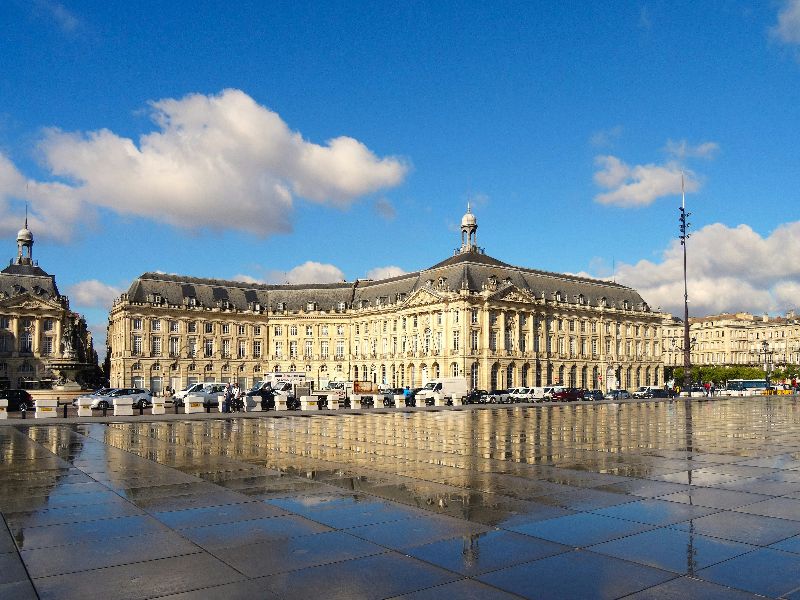
Bordeaux
Where the wine is the main character, but the city itself reinvented its riverfront into one of the most walkable, elegant urban spaces in France. — Best for: wine lovers, architecture fans, slow city breaks
CATEGORY 02
Nature & Landscapes

The French Alps (Chamonix)
Sitting at the foot of Mont Blanc, Chamonix delivers alpine drama in every season — ski slopes in winter, hiking trails in summer. — Best for: hikers, skiers, mountain lovers
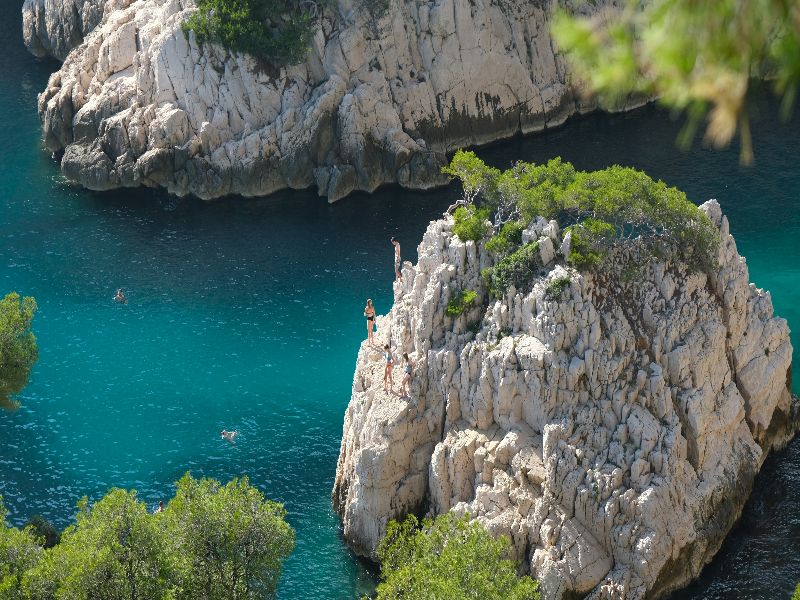
Calanques National Park
Limestone cliffs and turquoise inlets between Marseille and Cassis, feeling more Mediterranean island than mainland France. — Best for: nature lovers, swimmers, day-trippers
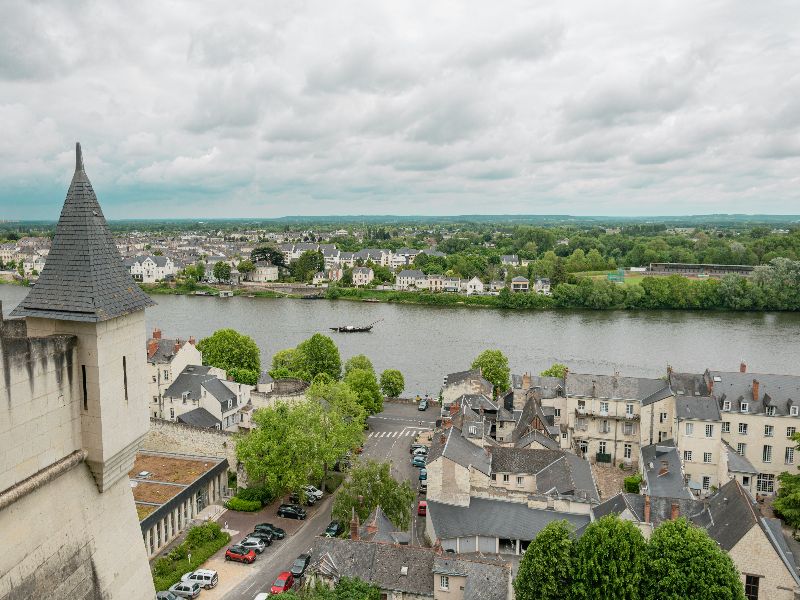
Loire Valley
A UNESCO region where storybook châteaux rise out of rolling vineyards and quiet riverside towns. — Best for: history lovers, road trips, romantics
CATEGORY 03
Coast & Beaches

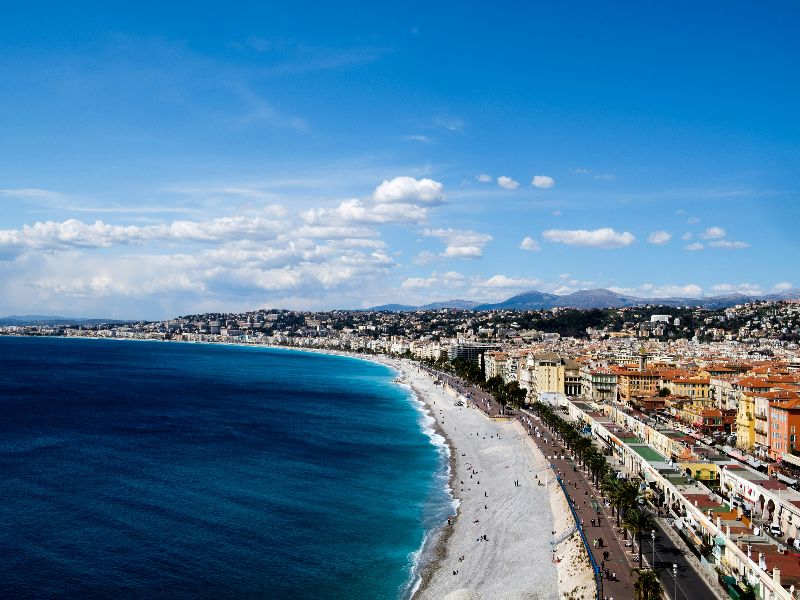
The French Riviera
The glamorous south, where palm-lined promenades meet pebble beaches and the Mediterranean turns an impossible shade of blue. — Best for: sunshine seekers, couples, luxury

Étretat & the Alabaster Coast
Dramatic white chalk cliffs and natural arches that have inspired painters for over a century. — Best for: photographers, easy day trips from Paris
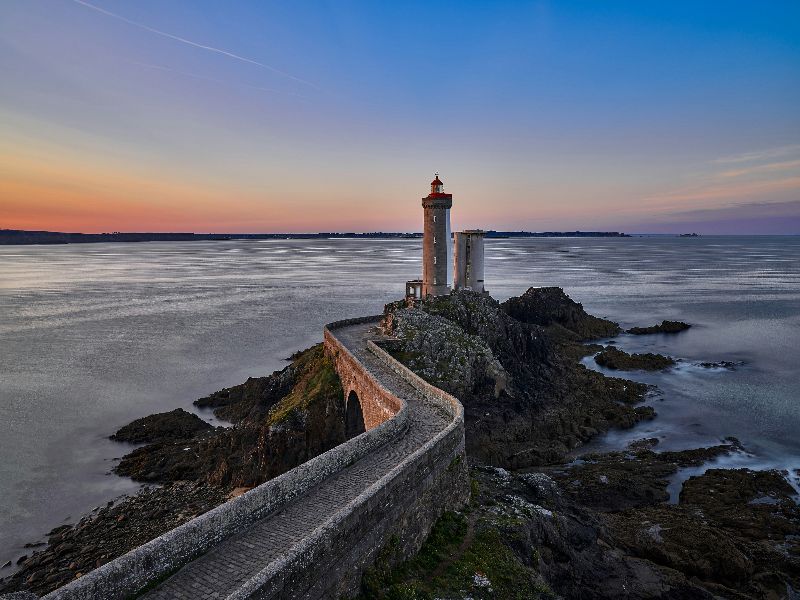
Brittany's Wild Coast
Rugged, Celtic-flavored, and far less crowded than the south — dramatic capes, hidden coves, walled seaside towns. — Best for: coast without crowds, seafood lovers
CATEGORY 04
Food & Wine

Bordeaux Wine Region
The name that built France's reputation as a wine nation, from grand estates to small family-run cellars. — Best for: wine enthusiasts, slow countryside days
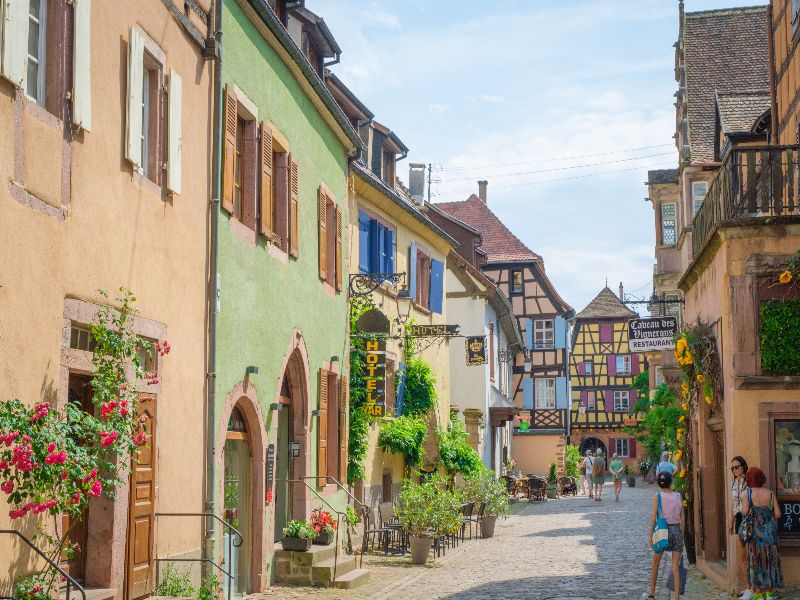
Alsace Wine Route
A 170km route through fairy-tale villages and vineyards producing Riesling and Gewürztraminer. — Best for: scenic drives, photographers
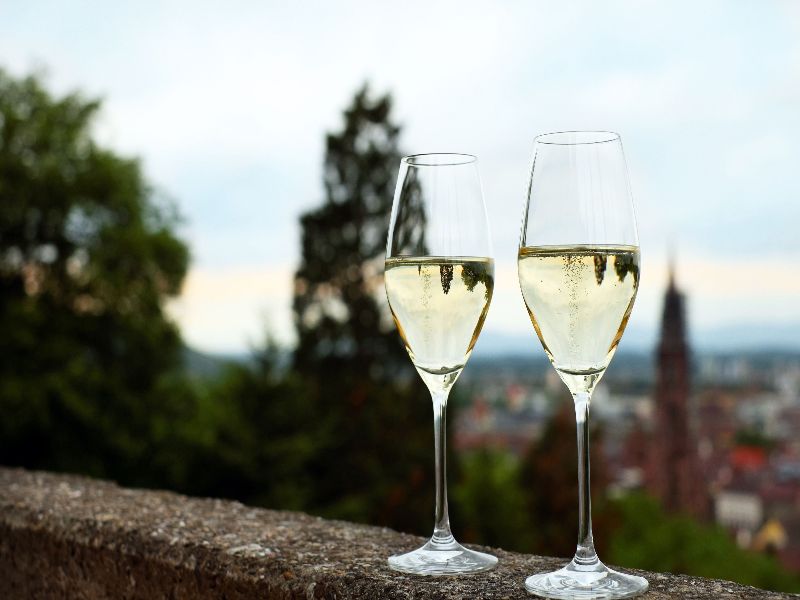
Champagne Region
An hour from Paris, the rolling chalk hills around Reims and Épernay make the world's most celebrated sparkling wine. — Best for: special-occasion trips, day trips from Paris
CATEGORY 05
Hidden Gems

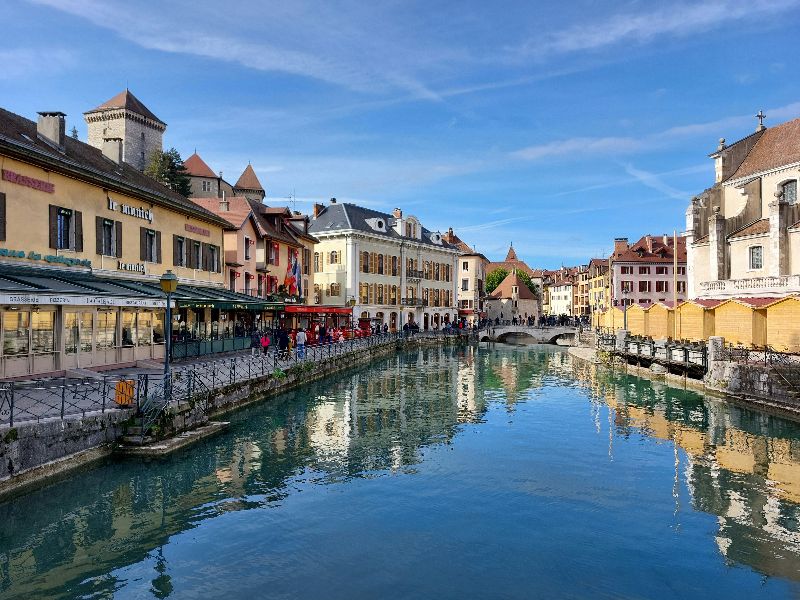
Annecy
Nicknamed the "Venice of the Alps," combining crystal-clear canals, pastel façades, and a lake ringed by mountains. — Best for: couples, lake lovers

Eguisheim & Colmar
Storybook villages with flower-covered, half-timbered houses that look almost too perfect to be real. — Best for: slow travel, photography

Rocamadour
A medieval village built vertically into a cliffside in the Dordogne, with chapels stacked above the valley. — Best for: history lovers, dramatic scenery
CATEGORY 06
Day Trips & Itineraries

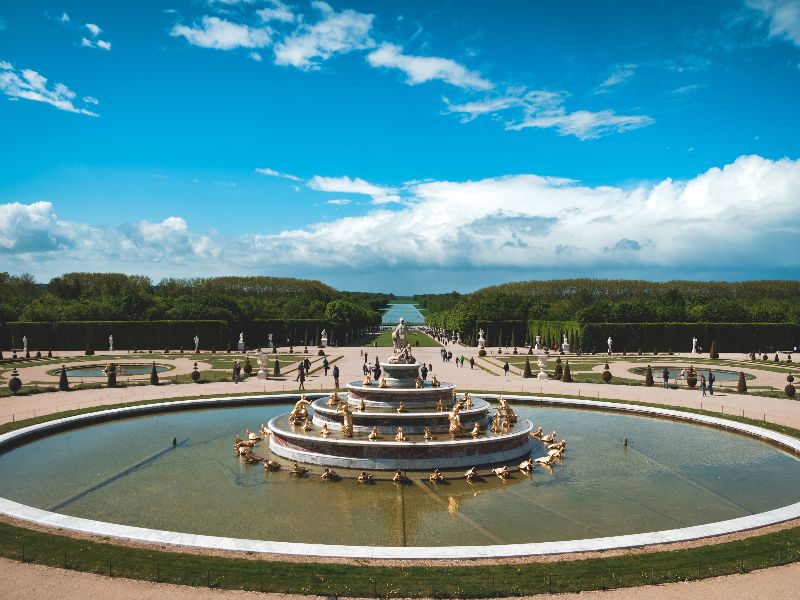
Paris → Versailles Gardens & Palace (Half day)
The Palace of Versailles and its gardens — an easy half-day trip by train from central Paris. Trains run frequently from Gare Montparnasse, and tickets can be combined with palace entry for a smoother visit.
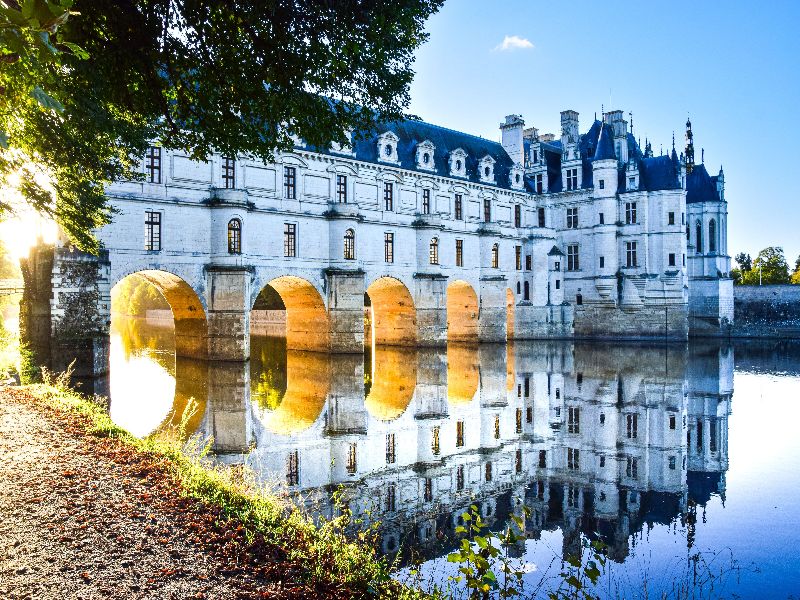
Paris → Loire Valley châteaux (1–2 days)
Chambord, Chenonceau, and Villandry — easy to combine into an overnight trip or a long day. Renting a car gives the most flexibility, though guided day tours from Paris are also widely available.

Paris → Normandy Coast & Mont Saint-Michel (1–2 days)
The tidal island-abbey, D-Day beaches, and Étretat's cliffs in one coastal-historical loop. Check tide times before you go — the causeway can flood at high tide, so timing your visit matters.
PLAN YOUR MOLDOVA TRIP
Everything you need to book your trip, from accommodation and flights to transport and experiences
EXPERIENCE
Discover tours, attractions and activities to make your trip unforgettable
BEFORE YOU GO
Practical Information
Visa & Entry
For EU, EEA and Swiss citizens: No visa is required. You can travel to France with a valid national ID card or passport.
For visa-exempt non-EU travelers (including US, Canadian, Australian and UK citizens): Visa-free visits are limited to 90 days in any 180-day period across the Schengen Area.
ETIAS: The EU travel authorisation is expected to start in the last quarter of 2026. It is not yet in operation, and no application is required at this time. Check the official EU ETIAS website for the latest updates before travelling.
For travelers who need a visa: Apply for a Schengen short-stay visa (Type C) through the French consulate or its authorised visa centre. Applications must be submitted at least 15 days before travel and can be submitted up to 6 months in advance. Check the consulate’s guidance and appointment availability.
Passport validity for non-EU travelers: Your passport must be valid for at least 3 months after your planned departure from the Schengen Area and must have been issued within the previous 10 years.
This information is provided as general guidance only and does not constitute legal or immigration advice — always verify current entry requirements with official sources before traveling.
Safety
Safety in Moldova: Moldova is generally safe for tourists, but pickpocketing, bag snatching and other petty theft can occur in crowded areas, public transport and busy markets, particularly in Chișinău. Keep your belongings secure and remain alert in public places.
Petty crime: Keep valuables and your passport in a secure place, stay alert to ATM and card fraud, and keep your bank card in sight when paying. Avoid poorly lit streets at night and use reputable taxi companies or pre-booked rides. Carry identification, as police may request it.
Public transport and demonstrations: Watch your belongings on buses, minibuses and at busy transport hubs. Political demonstrations may take place in central Chișinău and can occasionally lead to disruption. Avoid demonstrations and large gatherings, monitor local news and follow instructions from local authorities.
Road safety and regional risks: Road conditions and driving standards can vary, particularly outside urban areas. Avoid driving at night where possible and use licensed taxis. Check official travel advice before visiting areas near the Ukrainian border. Avoid travelling to Transnistria, where the security situation is uncertain, the region is outside the control of the Moldovan government and consular assistance may be limited.
Emergency number: Call 112 for emergencies anywhere in Moldova. The call is free and connects you to police, ambulance and fire services.
Etiquette & Culture
A polite “bonjour” when entering a shop or café goes a long way. Meals are unhurried; rushing a waiter can come across as impatient. Dress is generally a notch more polished than casual tourist style.
Health
EU citizens should carry an EHIC card; non-EU visitors are strongly advised to have travel insurance with medical coverage. Pharmacies (green cross sign) can often help with minor issues without a doctor’s visit.
Useful Phrases
Greetings & Courtesy
Hello — Bună ziua
Thank you — Mulțumesc
Please / You’re welcome — Vă rog / Cu plăcere
Getting Around
Where is the train station? — Unde este gara?
How much does this cost? — Cât costă?
Do you speak English? — Vorbiți engleză?
At Restaurants & Shops
A table for two, please — O masă pentru două persoane, vă rog
The bill, please — Nota de plată, vă rog
Can I pay by card? — Pot plăti cu cardul?
Emergencies
Help! — Ajutor!
I need a doctor — Am nevoie de un medic
Call the police, please — Chemați poliția, vă rog
Ready to plan your France trip?
Let us build a custom itinerary, or browse our ready-made packages.